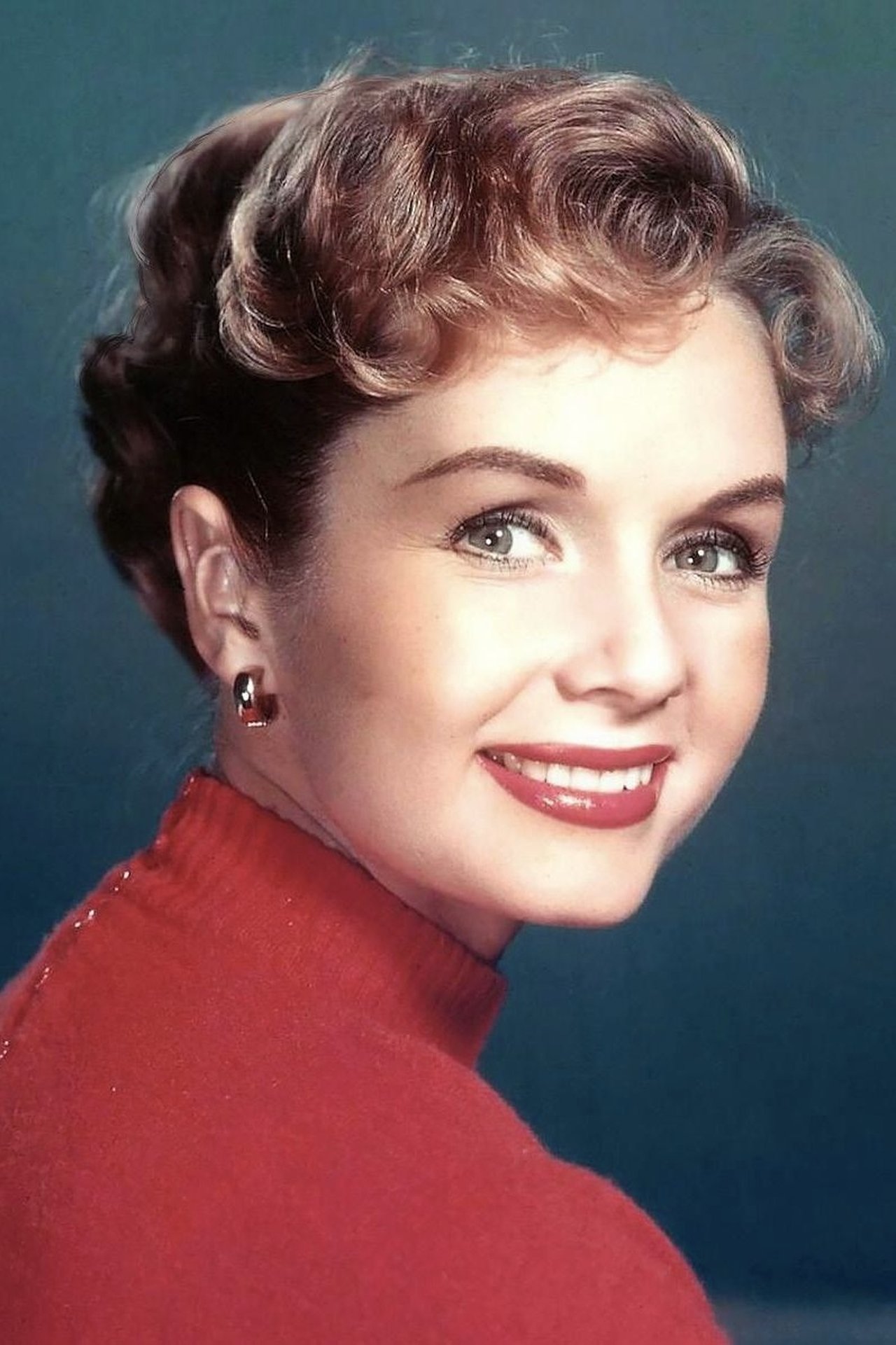
Rise to Fame
She got cast in Singin' in the Rain at 19 because MGM liked what they saw, not because she could dance. She couldn't. Gene Kelly reportedly drove her so hard in rehearsals that she cried under the piano between takes. The film made her a star anyway. In 1958, her husband Eddie Fisher left her for Elizabeth Taylor, and the public's outrage turned her into the wronged wife all of America rooted for. Fisher's career was canceled by morality clauses. Hers got bigger.
In the Spotlight
Her one Oscar nomination came for The Unsinkable Molly Brown in 1964, a role the director didn't want her in (he'd asked for Shirley MacLaine). She lost Best Actress to Julie Andrews in Mary Poppins, then spent the next two decades in Vegas residencies and Broadway replacements. The comeback came in 1996 when Albert Brooks cast her in Mother, on her daughter Carrie's suggestion. Will & Grace ran for eight seasons after that. She received the Jean Hersholt Humanitarian Award in 2015, an honorary Oscar from the same Academy that had spent years refusing her film memorabilia collection.
Side Notes
At a 1970 MGM studio auction, she reportedly spent around $600,000 of her own money buying costumes and props Hollywood was ready to throw away, including Judy Garland's ruby slippers and Marilyn Monroe's white halter dress. The Academy refused her collection for years before eventually accepting pieces for its own museum. The Elizabeth Taylor feud, the one that made her America's wronged wife in 1958, ended with Taylor leaving Reynolds sapphire jewelry in her will.
Final Chapter
She died one day after her daughter Carrie Fisher, and Todd Fisher said her last words were that she wanted to be with Carrie. A joint public memorial at Forest Lawn in March 2017 drew Meryl Streep, who sang and delivered a eulogy. Reynolds was entombed alongside Fisher's ashes, the remainder kept in a novelty Prozac pill urn. The Golden Globes paid tribute to both women in a reel the following month.