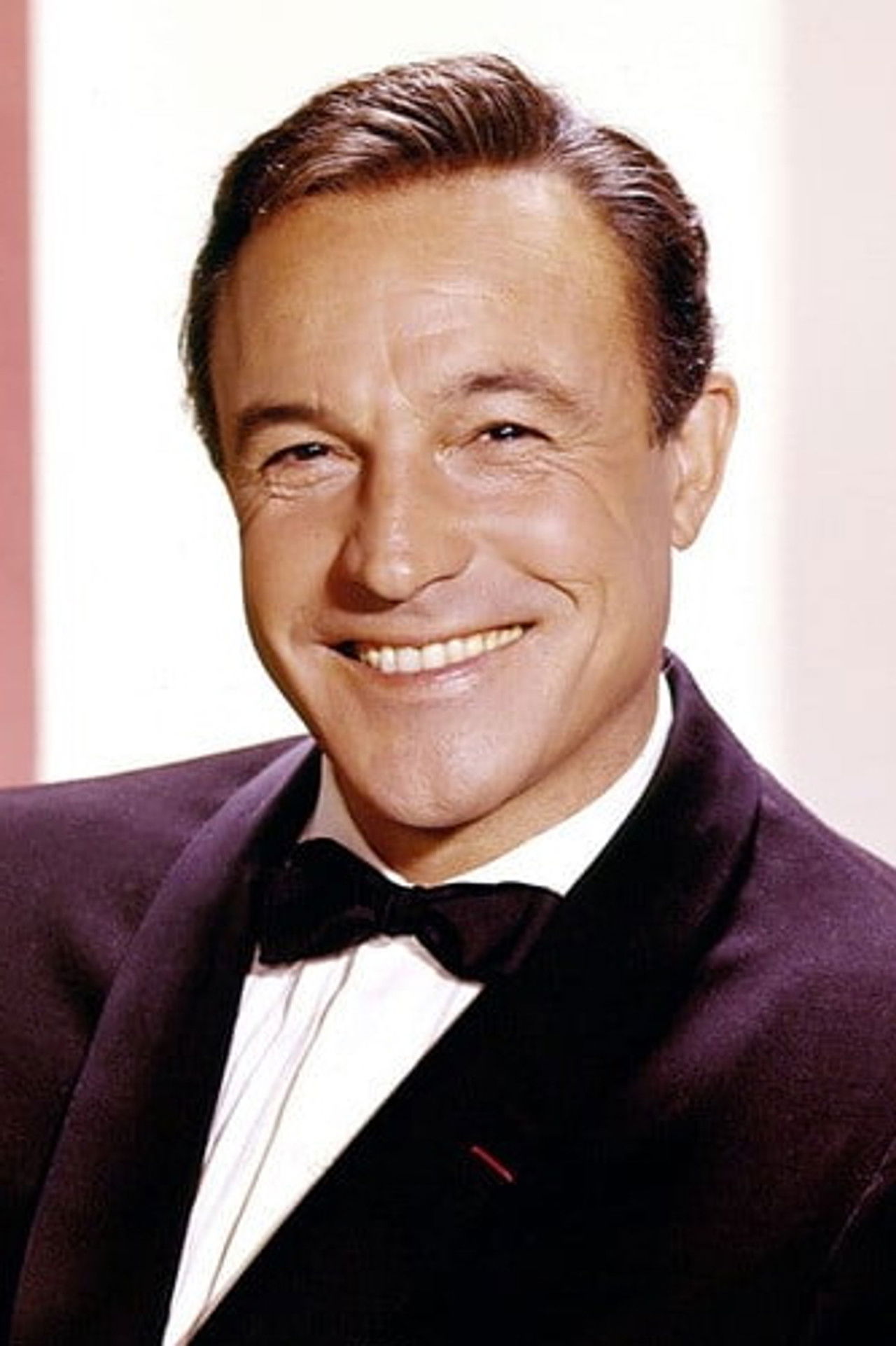
Rise to Fame
His mother dragged him to dance class at eight. The neighborhood kids called him a sissy. By fifteen, he was playing semipro hockey and telling anyone who'd listen he wanted to be shortstop for the Pittsburgh Pirates. Dance won out, but the jock never left. He landed his first Broadway lead in 1940 with Pal Joey, and Hollywood signed him that same year. What set him apart wasn't technique. It was the deliberate rejection of everything Fred Astaire represented. No top hat, no tails. Kelly wore rolled-up sleeves and loafers, danced like an athlete, and made the whole art form feel like something a guy from Pittsburgh could do without apology.
In the Spotlight
The film wasn't even his biggest hit at the time. An American in Paris won Best Picture the year before. But Singin' in the Rain outlasted everything else he touched, and by the 1970s it had eclipsed its predecessor entirely. He co-directed and choreographed it. The title number he filmed with a 103-degree fever. It holds a 100% on Rotten Tomatoes and sits at number five on AFI's greatest American films list. A house fire in 1983 destroyed the honorary Oscar he'd received in 1952. The Academy replaced it. The film didn't need replacing.
Side Notes
When United Artists considered dropping his first wife, Betsy Blair, from Marty because the American Legion suspected her of Communist sympathies, Kelly threatened to walk off It's Always Fair Weather at MGM unless they restored her part. They did. He served in the Navy during World War II, not in combat, but making documentaries at the Naval Photographic Center in Anacostia. A Navy veteran using his star power to protect a suspected Communist wife wasn't a story Hollywood was in any rush to tell.
Final Chapter
He died in his sleep at his Beverly Hills home, his third wife Patricia at his bedside. His children flew to Los Angeles despite his widow initially discouraging the trip. At the 68th Academy Awards weeks later, Quincy Jones organized a tribute in which Savion Glover performed the Singin' in the Rain dance. There was no funeral.