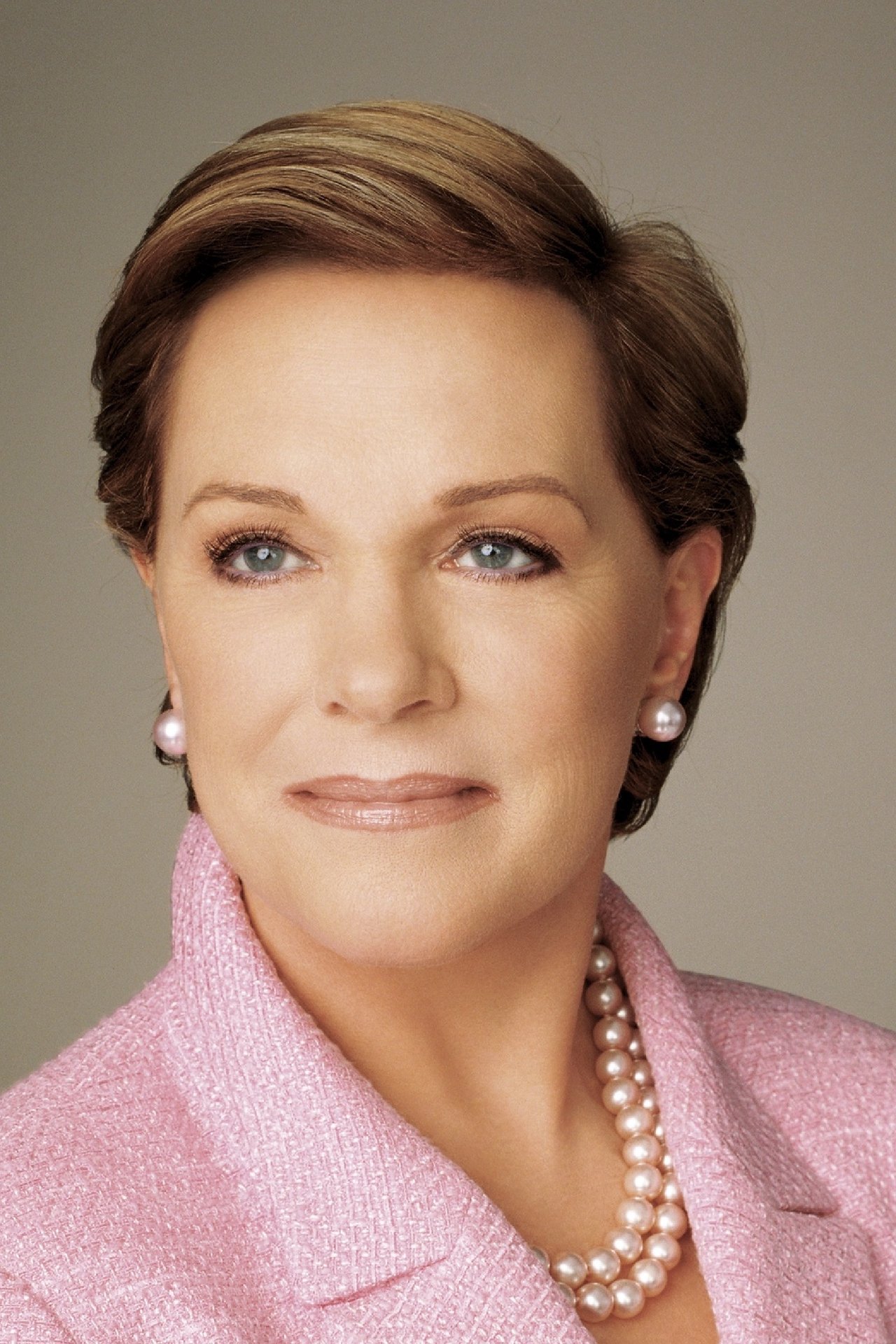
Rise to Fame
Warner Bros. passed on her for the My Fair Lady film because Jack Warner wanted a proven box-office name. She'd only originated the role on Broadway, running it for two years before taking it to London. Walt Disney picked her up for Mary Poppins instead, and she won the Oscar that Audrey Hepburn didn't even get nominated for. The next year, The Sound of Music arrived and eventually became the highest-grossing film in history, surpassing Gone with the Wind by 1966. Two movies in, and she'd already peaked in a way that would haunt her for decades. Studios couldn't see past the singing governess, and audiences didn't want to.
In the Spotlight
A botched vocal cord surgery in 1997 stripped her of the four-octave range that built her career. She sued Mount Sinai Hospital for malpractice and settled, but the voice never came back. What did come back was the career, just rearranged. Voicing Queen Lillian in Shrek and playing royalty again in The Princess Diaries kept her on screen. Bridgerton was the bigger move: narrating as Lady Whistledown earned her an Emmy in 2025 at 89. The woman who lost her instrument found other ways to stay in the room.
Side Notes
Her mother had an affair, left Julie's father, and moved in with a singer named Ted Andrews, whose surname Julie took for the stage. Her stepfather was an abusive alcoholic who tried to climb into her bed on two occasions. Not exactly the backstory anyone associates with her. She started performing professionally at 12, she has said partly to support the household. She was one of the youngest performers ever to appear in a Royal Command Performance, singing for King George VI. The wholesome persona wasn't an act so much as a decision to build something better than what she came from.