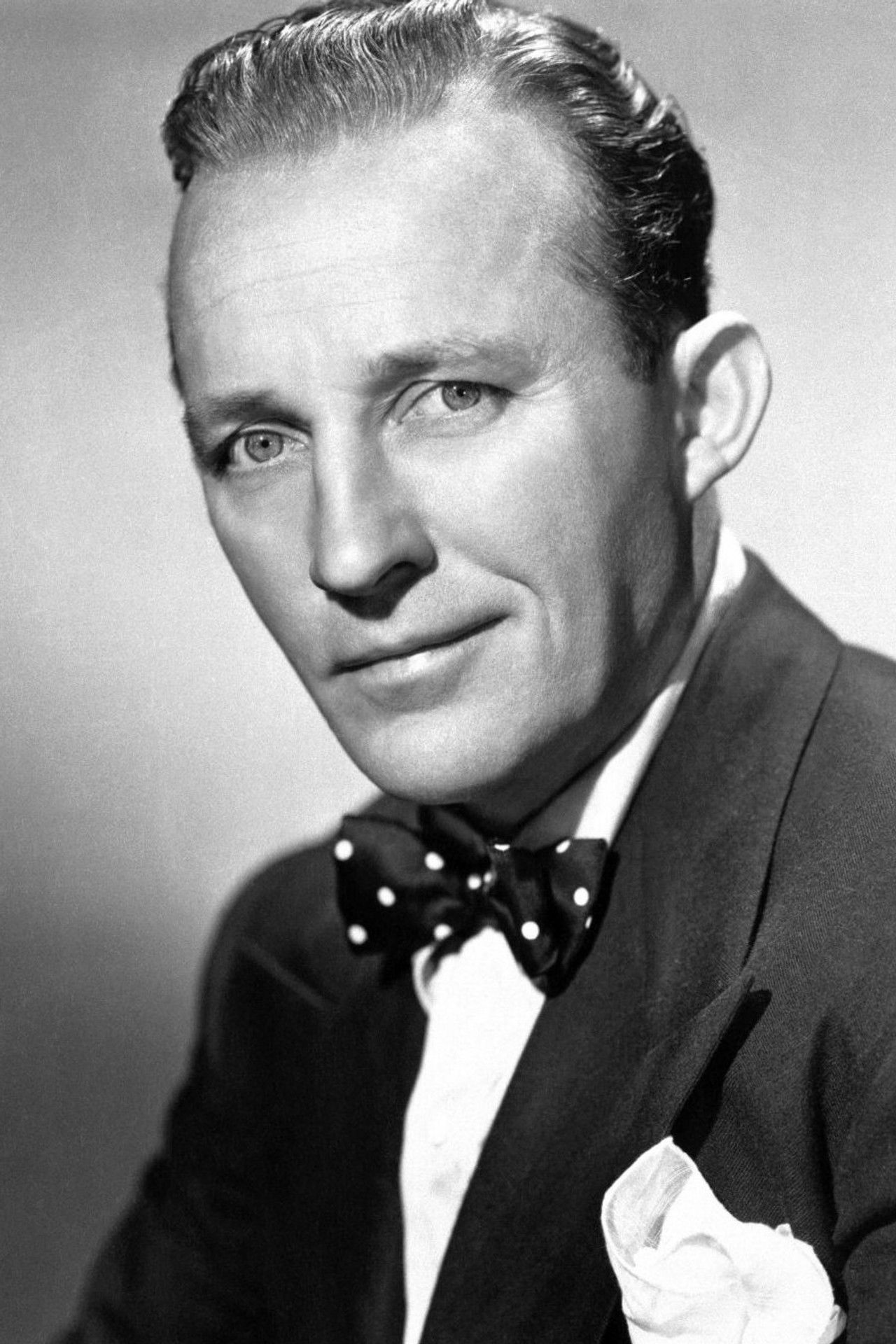
Rise to Fame
The microphone rewrote who got to be famous in music, and Crosby rode that change harder than anyone. He cut his teeth in Paul Whiteman's orchestra as part of the Rhythm Boys in the late 1920s, but it was the CBS radio show in 1932 that made him a household name. His casual, conversational baritone was built for intimacy, not vaudeville projection, and that distinction mattered. The Big Broadcast the same year launched a film career to go with it. By the mid-1930s, he was doing films, radio, and records simultaneously and winning at all three.
In the Spotlight
White Christmas is the best-selling physical single in history, with an estimated 50 million copies sold, and Crosby had 38 number one Billboard hits, more than Elvis Presley and the Beatles. That's the official record. The unofficial one is harder to square. His son Gary's 1983 memoir Going My Own Way alleged years of physical and psychological abuse. Two of Crosby's sons from his first marriage, Lindsay and Dennis, died by suicide in 1989 and 1991. The warmest voice in American popular music left a family that couldn't get clear of him.
Side Notes
He started as the drummer in Al Rinker's five-piece band in Spokane and landed in Paul Whiteman's Orchestra because the rest of the band liked his singing more than his drumming. The less-told part of his career is what he did with the leverage. When NBC refused to let him prerecord his radio shows on tape instead of broadcasting live, he walked to ABC and took his audience with him. He invested $50,000 in Ampex, the California tape recorder manufacturer, and helped push magnetic tape recording into mainstream American broadcasting before most studios knew what it was.
Final Chapter
He died on a golf course outside Madrid on October 14, 1977, collapsing after completing 18 holes at age 74, just days after a sold-out run at the London Palladium. His will asked for only his wife and seven children at the funeral; his widow Kathryn admitted Bob Hope, Rosemary Clooney, and Phil Harris to the 5 a.m. Mass at St. Paul the Apostle Church in Westwood to keep it from becoming a Hollywood spectacle. A public memorial separately drew nearly 3,000 people.