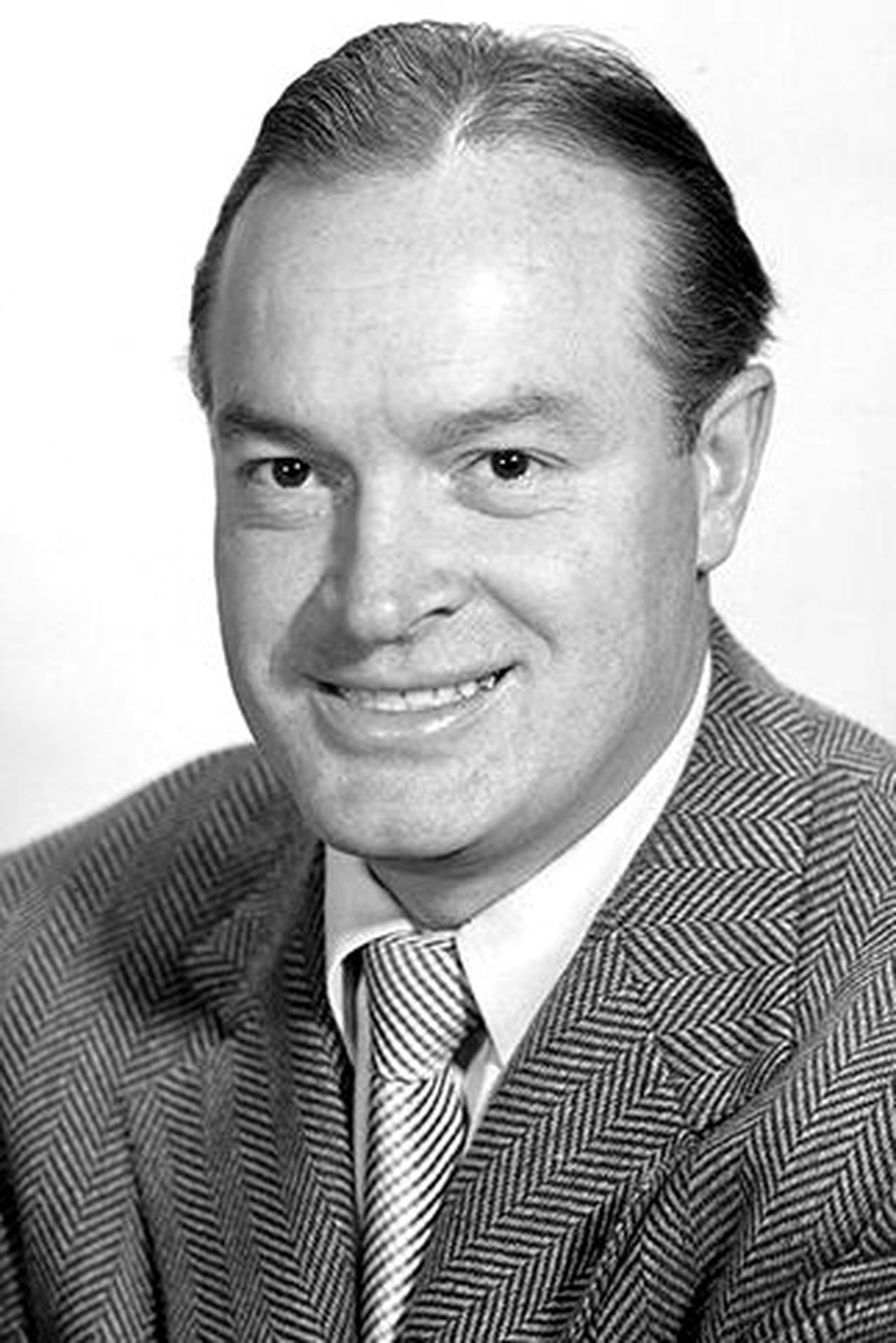
Rise to Fame
He sang one song and accidentally gave himself a theme for the rest of his life. "Thanks for the Memory" from The Big Broadcast of 1938 wasn't supposed to make him a movie star, but it did. Before that he'd been grinding through vaudeville, Broadway, and radio, building the rapid-fire, emcee-style delivery that made The Pepsodent Show the top radio program in the country by 1938. The road movies with Bing Crosby turned him into a franchise.
In the Spotlight
The USO tours were the story he told about himself for 50 years. 57 tours between 1941 and 1991, entertaining an estimated 11 million troops, and the numbers looked patriotic until you got to Vietnam. In 1969 at Lai Khe, he defended Nixon's war policies from the stage and the crowd reportedly drove him off. His comedy had already gone formulaic by then, and the hawkishness confirmed what critics suspected: he'd become a comfortable institution rather than a funny one.
Side Notes
He was born in Eltham, England, and moved to Cleveland as a young child, which makes the whole "America's entertainer" mythology a little funnier. At age 10 he won a Charlie Chaplin imitation contest. He hosted the Miss World 1970 competition at Royal Albert Hall, where Women's Liberation activists threw flour bombs from the audience during the live broadcast. Congress declared him the first Honorary Veteran in U.S. history in 1997, which reads like the most American punch line of his career.
Final Chapter
Congress passed the Bob Hope Arlington Honors Act of 2003 three days after his death, authorizing his burial in Arlington National Cemetery as an Honorary Veteran. Newspaper cartoonists worldwide drew Bing Crosby, dead since 1977, welcoming Hope to heaven. He's buried at the Bob Hope Memorial Garden at the San Fernando Mission in Los Angeles.