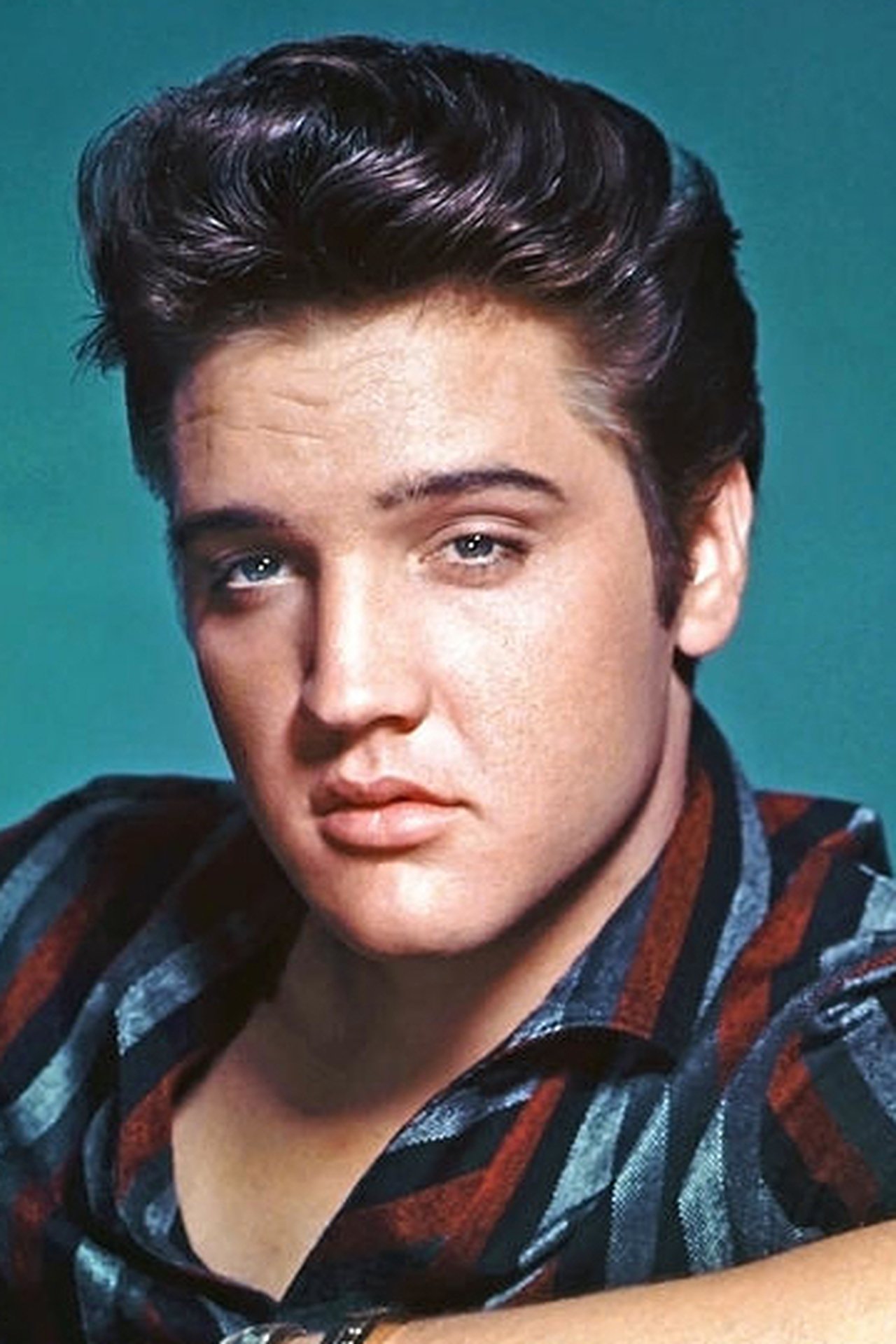
Rise to Fame
In 1953, Elvis walked into Sun Records and paid $4 to cut a record for his mother's birthday. She never heard it. The family didn't own a record player. But Sam Phillips did, and by 1954 Elvis was recording 'That's All Right,' a collision of country and Black R&B that had no precedent on segregated radio. Memphis caught on fast. The rest of America took a year, and then Ed Sullivan gave him three spots starting in September 1956. By then the argument was over.
In the Spotlight
Nearly 50 years later, the cultural appropriation debate still hasn't landed anywhere clean, whether he was a white performer who crossed racial lines or one who benefited from them. Forbes reported his estate earned $100 million in 2023. The 2022 Baz Luhrmann biopic Elvis found audiences who weren't alive in the 70s. His cultural footprint turned out to be the one thing his managers couldn't take a cut of.
Side Notes
His manager, Colonel Tom Parker, wasn't a colonel and wasn't American. Born Andreas Cornelis van Kuijk in the Netherlands, he entered the U.S. illegally and built a fake American identity to avoid deportation. He reportedly took half of everything Elvis earned, and Elvis never toured internationally because Parker couldn't cross borders without risking exposure. Across more than 600 recordings, Elvis never wrote a single song. Songwriters had to give up a third of their royalties just to get him in the studio.
Final Chapter
The day he died, 3,116 floral arrangements arrived at Graceland, a U.S. single-day delivery record, with Memphis florists running out and flowers flown in from across the country. President Carter deployed 300 National Guard troops to maintain order. When a body theft attempt surfaced weeks later, Elvis and his mother Gladys were moved to Graceland's Meditation Garden on October 2, 1977. Lisa Marie Presley was interred there in January 2023.