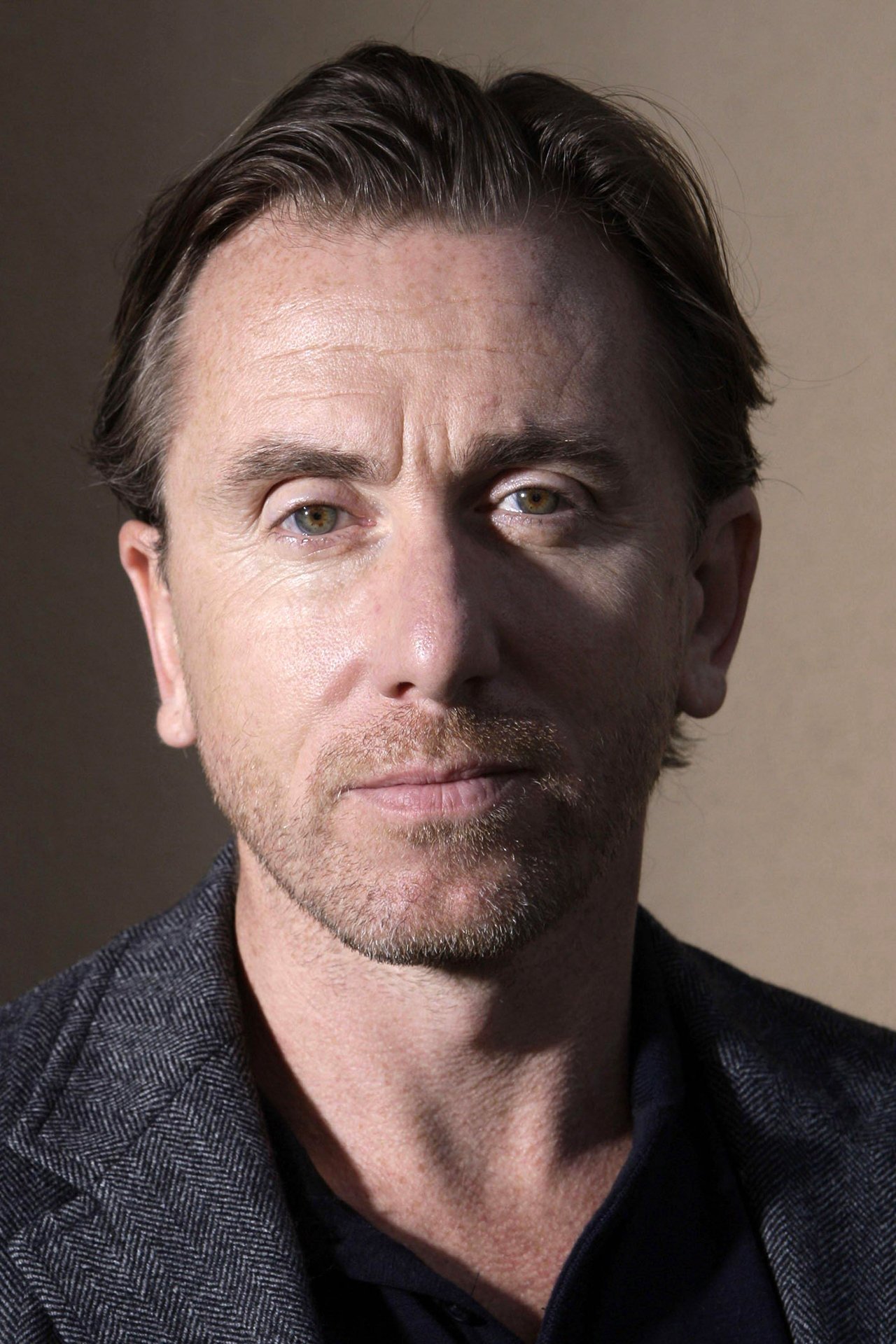
Part of Pulp Fiction featuring John Travolta and Samuel L. Jackson, and Tarantino's Crew with Samuel L. Jackson and Uma Thurman.
Rise to Fame
He grew up comfortable in south London but faked a cockney accent through school to avoid getting beaten up, then spent his early career playing working-class characters convincingly because of it. BAFTA-nominated for The Hit in 1984, then moved to L.A. where he campaigned for the role of Mr. Orange in Reservoir Dogs (1992), a role that meant lying on a warehouse floor bleeding for most of the film. Quentin Tarantino cast him again in Pulp Fiction (1994). Rob Roy (1995) sealed it: his villainous Archibald Cunningham earned him a BAFTA win and an Academy Award nomination for Best Supporting Actor.
In the Spotlight
Fox's Lie to Me gave him three seasons (2009-2011) as a deception expert modeled on psychologist Paul Ekman, a different kind of role for someone associated with British gangster films and European art cinema. The show got canceled but it expanded his American audience. Since then, he's stayed selective: indie European work, Australian drama, a turn in She-Hulk: Attorney at Law. In 2024, he joined the cast of the Peaky Blinders movie opposite Cillian Murphy. The career stays coherent because he keeps saying no to things that would cheapen it.
Side Notes
His father was born in Brooklyn to an Irish immigrant family and changed the family name from Smith to Roth at some point, which gives Tim Roth one of the less obviously English names in British acting. His 1999 directorial debut, The War Zone, dealt with incest and childhood sexual abuse, and during the press tour he publicly disclosed that he was a survivor of childhood sexual abuse himself. That kind of disclosure was rare at the time. It also explains something about why he gravitates toward material most actors won't touch.