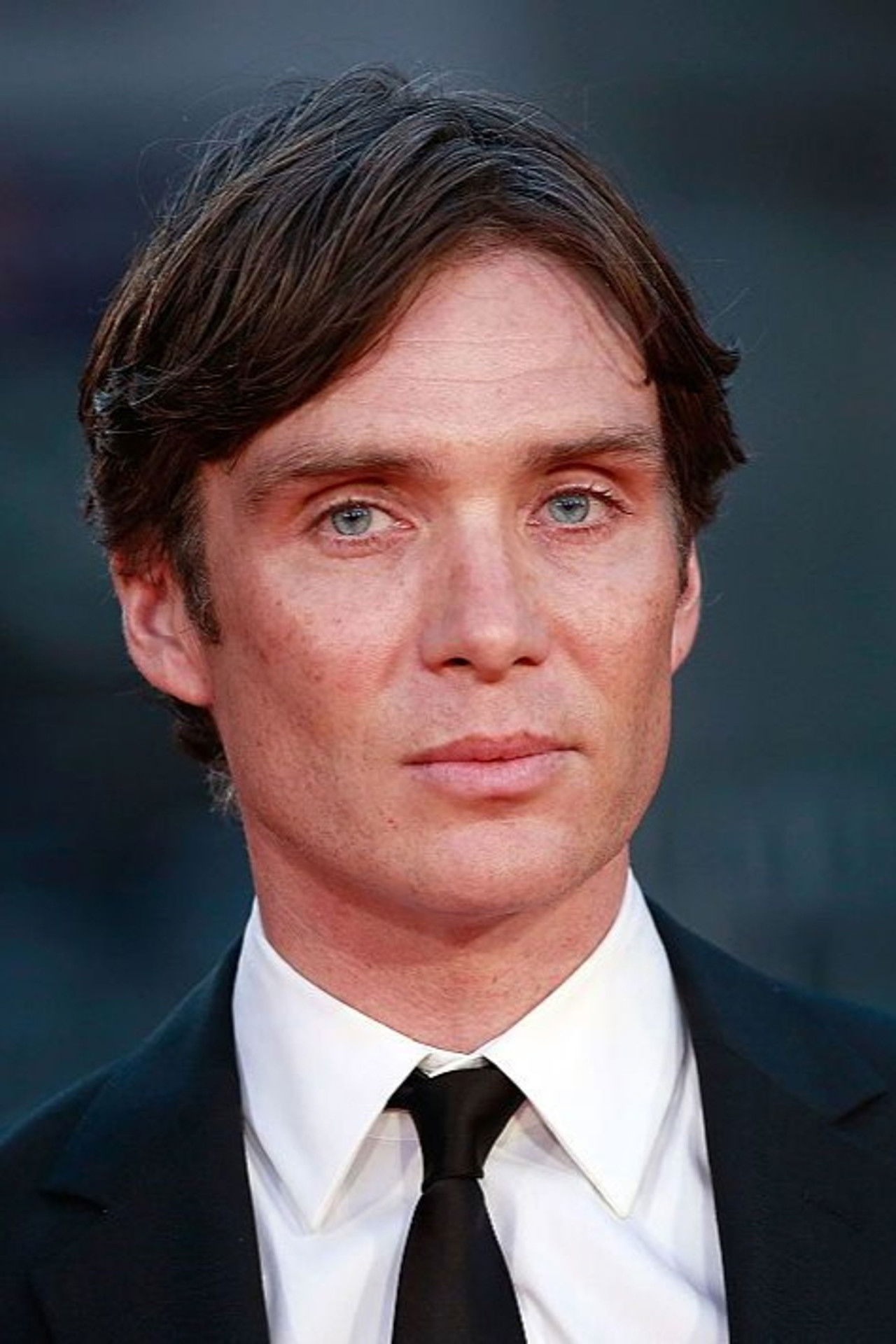
He spent two decades making other directors look good, then swept every major acting award on his first try.
At a glance
- Known for
- Tommy Shelby in *Peaky Blinders*, Best Actor Oscar for *Oppenheimer*
- Before fame
- Turned down a five-album record deal as a teenager
- Off-screen
- No social media, no internet at home, no fan photos
Part of Nolan's Regulars featuring Michael Caine and Tom Hardy, and The Dark Knight with Christian Bale and Heath Ledger.
Rise to Fame
A play written in five days ended his music career, his law degree, and any chance of a normal life. Enda Walsh's Disco Pigs was supposed to run two weeks at a Cork arts centre in 1996. It toured internationally for two years, and Murphy left everything else behind to stay with it.
Danny Boyle cast him in 28 Days Later in 2002, which caught Christopher Nolan's eye. Nolan brought him in to audition for Batman, gave the cape to Christian Bale, and kept Murphy for the Scarecrow. That failed audition turned into six films, nearly two decades of collaboration, and the Best Actor Oscar.
In the Spotlight
The Oppenheimer awards sweep was absurd. First Oscar nomination, first win. Golden Globe, BAFTA, SAG. No Irish-born actor had taken Best Actor before him. He reportedly lost up to 28 pounds for the role; Emily Blunt joked he ate "like, one almond most nights."
Peaky Blinders: The Immortal Man debuted to 25.3 million Netflix views in its first three days. Small Things Like These, which he produced and starred in, opened the Berlin Film Festival. For someone who spent two decades as a supporting fixture, the lead-actor era arrived all at once.
Side Notes
His Dublin home has no internet connection. His phone has black wallpaper with every notification turned off. He's never had a social media account, doesn't take photos with fans, and has called the red carpet model "broken" because "everybody is so bored."
He married visual artist Yvonne McGuinness in 2004 at her father's vineyard in France. They met at one of his band's gigs in 1996, back when he was still choosing between music and a stage career. He moved the family from London to Dublin in 2015, joking that his sons were developing "very posh English accents." The privacy isn't a brand. It's infrastructure.