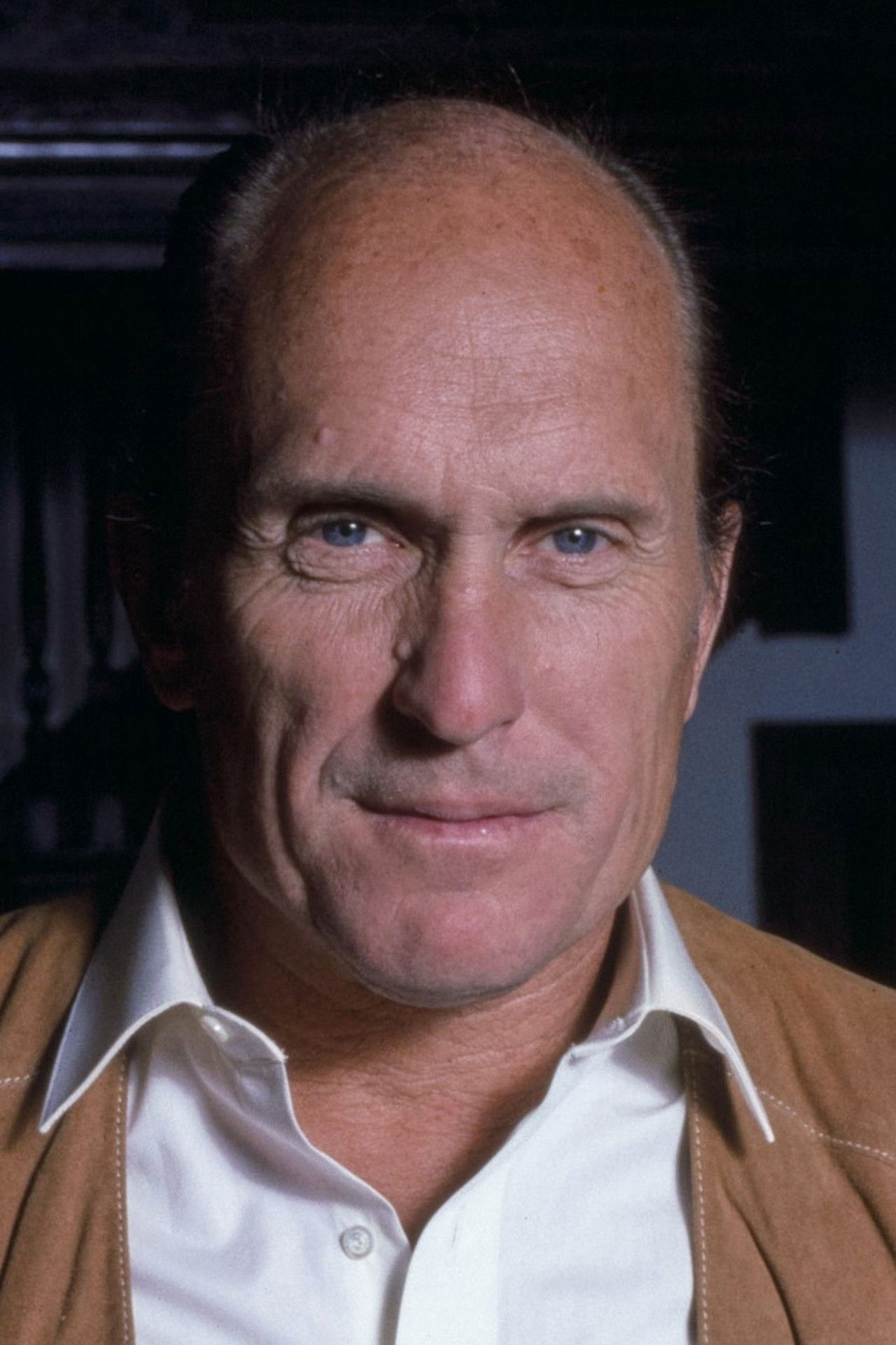
Seven decades of work, one Oscar, and the quiet certainty that he didn't need another.
At a glance
- Known for
- Tom Hagen in *The Godfather*, Lt. Col. Kilgore in *Apocalypse Now*, Oscar winner for *Tender Mercies*
- Before fame
- Shared a New York apartment with Dustin Hoffman and Gene Hackman while all three were broke
- Off-screen
- Argentine tango devotee who danced daily with his wife in a converted barn on his Virginia farm
Part of The Godfather featuring Marlon Brando, Al Pacino, James Caan, Diane Keaton, and John Cazale.
Rise to Fame
A playwright named Horton Foote saw him in a 1957 Neighborhood Playhouse production and filed the name away. Five years later, Foote recommended him for Boo Radley in To Kill a Mockingbird. He stayed out of the sun for six weeks and dyed his hair blond to look like a man who hadn't left his house in years. That commitment to vanishing inside a role became the entire career.
The 1970s belonged to him as much as anyone, though nobody marketed it that way. He played Tom Hagen in The Godfather and delivered 'I love the smell of napalm in the morning' in Apocalypse Now, a line that landed at #12 on AFI's all-time list. Vincent Canby at the New York Times dubbed him 'the American Olivier.' He wasn't the lead in any of those films. He didn't need to be.
In the Spotlight
Walking away from The Godfather Part III wasn't a tantrum. He was offered $1 million while Al Pacino got several times that. 'If they paid Pacino twice what they paid me, that's fine, but not three or four times,' he said. He later noted the film 'wasn't as good as the other two.' That stubbornness defined his later decades more than any role did.
He put $5 million of his own money into The Apostle after every studio passed. It earned him his fifth Oscar nomination. He called Gus McCrae in Lonesome Dove 'kind of like my Hamlet,' which says more about his taste than any awards speech. At 84, he became the oldest actor ever nominated for Best Supporting Actor. Seven nominations, one win, zero complaints.
Side Notes
Two broke actors sharing a railroad apartment at 107th and Broadway in the early 1960s: him and Dustin Hoffman. Gene Hackman, living across town with a wife and kids, was close enough to count as a third. They met regularly at Cromwell's Drugstore to talk about women and acting. Between the three of them, 19 Oscar nominations and five wins.
He fell for Argentine tango after seeing Tango Argentino on Broadway, wrote and directed a film about it, and married a woman he met in a Buenos Aires bakery because the flower shop next door was closed. They spent decades dancing daily in a converted barn on his 360-acre Virginia farm. The man had a type, and it wasn't Hollywood.
Final Chapter
He died peacefully at his farm in Middleburg, Virginia. His wife Luciana released a statement the following day through his public relations agency. Al Pacino called it 'an honor to have worked with' him. Francis Ford Coppola described him as 'an essential part of American Zoetrope.' His final two film roles, Hustle and The Pale Blue Eye, had both been released on Netflix in 2022.