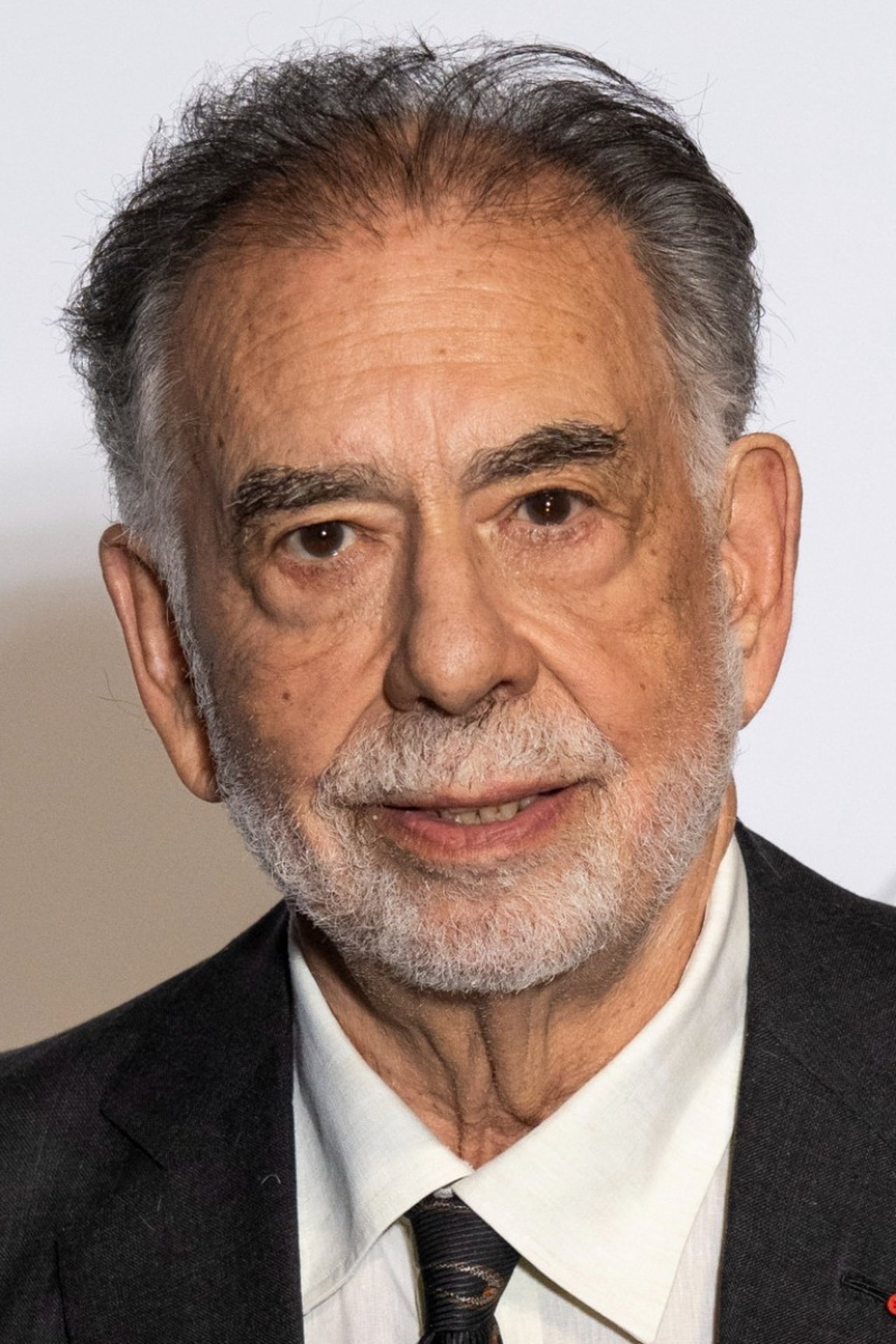
Rise to Fame
Paramount hired him to direct The Godfather because they needed someone Italian-American and cheap enough to fire. They kept a backup director on set to shadow him. He'd already turned down the job once, calling the source novel 'pretty cheap stuff.' What followed dominated the decade. He fought Paramount to cast Marlon Brando, whose career was in freefall, and he won. The Godfather Part II became the first sequel to win Best Picture. Two films, two completely different arguments about power, and both of them still hold.
In the Spotlight
He sold his public-facing winery to Delicato Family Wines in 2021 for roughly $650 million specifically to self-fund Megalopolis. The film made $14.3 million worldwide. He called himself 'broke' afterward. This isn't a new pattern: One From the Heart (1982) cost $26 million and grossed under $638,000, forcing him into bankruptcy three times. At peak debt he owed $98 million against $52 million in assets. He rebuilt through wine, then reinvested everything in cinema again. Whether that's conviction or compulsion probably depends on whether Megalopolis gets reassessed.
Side Notes
He used Godfather profits to buy Inglenook Winery in Napa in 1975, with the first vintage stomped barefoot by family members. He co-owned a San Francisco restaurant with Robin Williams and Robert De Niro. The wine business wasn't a vanity project. In 2011, he reportedly paid more for the Inglenook trademark alone than he'd originally paid for the entire estate. It's what kept him solvent after One From the Heart gutted him financially. For all the auteur mythology, he spent four decades as a serious businessman first.