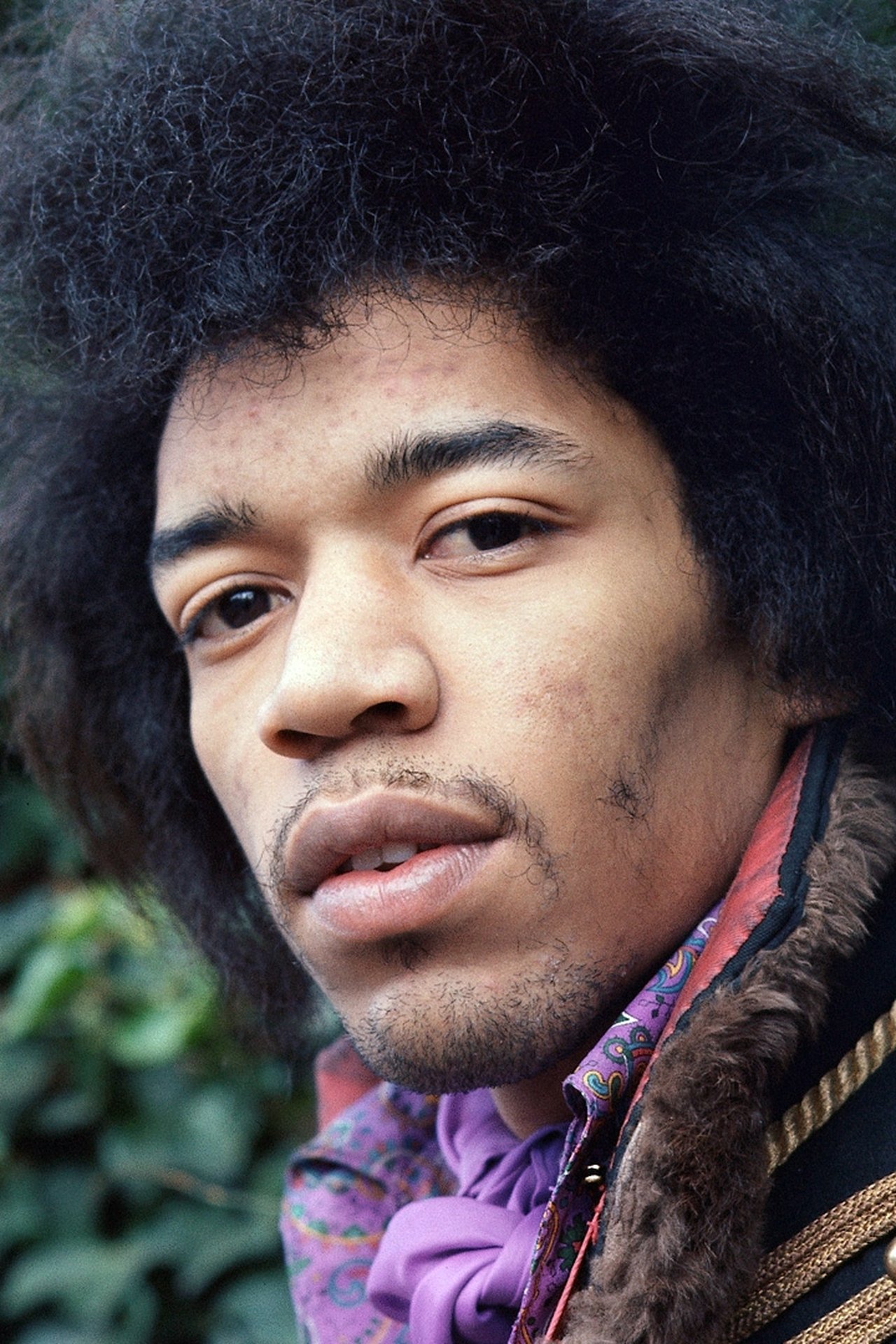
Rise to Fame
Nobody in America wanted him. He spent four years as a sideman, backing the Isley Brothers and Little Richard, playing other people's music in other people's bands. Chas Chandler flew him to London in 1966, where he sat in with Cream and made Eric Clapton look like he needed to go home and practice. Within months, Pete Townshend and Mick Jagger were showing up to his gigs, and Paul McCartney told the Monterey Pop organizers the festival would be incomplete without him. That's not a co-sign; that's a handoff. Brian Jones introduced him onstage as "the most exciting guitar player I've ever heard." He set his Stratocaster on fire at the end of the set, partly because Townshend had smashed his guitar earlier that day. The guitar burned and the four years of sideman work looked like prelude.
In the Spotlight
He died with $20,000 in his bank account and no will. By 1994, the estate had reached $80 million in value, and the family has been fighting over it ever since. That gap between twenty grand and eighty million is the music industry explaining itself. His father Al inherited everything, then left it all to his adopted stepdaughter Janie, cutting out Leon, the only sibling Jimi was raised with, entirely. The music keeps generating revenue because there's always another vault recording to package. Electric Lady Studios, the Greenwich Village space he commissioned and barely got to use before dying, still operates. The estate machine runs on autopilot, and the lawsuits run on principle.
Side Notes
Before he was the guy who set guitars on fire, he was Private Hendrix, 101st Airborne. He enlisted at 18 after getting caught joyriding stolen cars twice, and a judge gave him a choice: two years in juvenile detention or the Army. He completed 26 parachute jumps as a Screaming Eagle, but his commanding officer wrote that he showed "no desire to become a good soldier." The Army got the worst possible soldier. He got caught sneaking off base to practice guitar and slept through duties. He eventually told an Army psychiatrist he'd developed feelings for his bunkmates. The fake confession worked. He was out after thirteen months of a three-year enlistment, carrying nothing but a discharge and a guitar.
Final Chapter
Eric Burdon refused to come, saying Hendrix hated Seattle and didn't belong there. The funeral went ahead on October 1, 1970, at Dunlap Baptist Church, where Miles Davis, Johnny Winter, and Mitch Mitchell sat in the pews, then played together at a private wake at Seattle Center. In 2002, the family exhumed and reburied his remains under a granite memorial dome at Greenwood Memorial Park in Renton, Washington. Burdon's objection was noted and ignored.