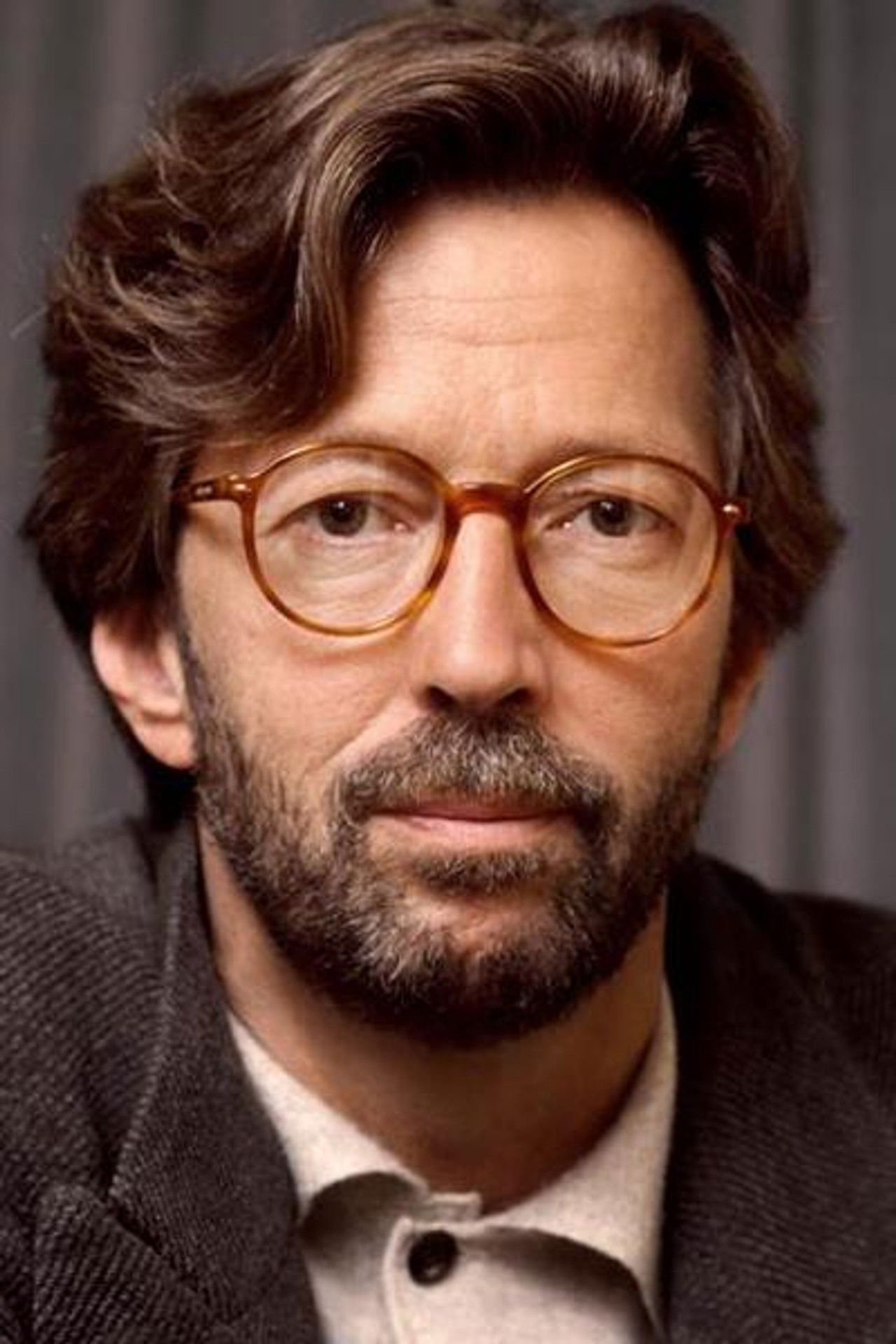
Rise to Fame
He quit the Yardbirds the moment they had a hit. Blues purity over commercial sense, and it paid off. His run with John Mayall's Bluesbreakers turned him into a cult figure, someone spray-painted 'Clapton is God' on an Islington wall before he had a single in major shops. Cream made him famous on two continents. Then he made his best record under a fake name. Layla and Other Assorted Love Songs came out as Derek and the Dominos in 1970, flopped on release, and is now considered his defining work. He was so consumed with his friend's wife that he couldn't even put his real name on it.
In the Spotlight
His reputation depends heavily on who you ask and how old they are. The 1976 Birmingham rant, where he drunkenly endorsed Enoch Powell onstage, directly sparked the Rock Against Racism movement, ironic for a man who'd built his career on Black American blues. The 2021 anti-vaccine campaign (funding fringe groups, refusing venues requiring vaccination proof, promoting theories about mass hypnosis) landed him on Rolling Stone's list of 50 worst decisions in music. He still tours at 80, sells out Tokyo residencies, and keeps funding his Crossroads Centre addiction facility on Antigua, which he bankrolled at $6.5 million.
Side Notes
He grew up in Ripley, Surrey, thinking his grandparents were his parents and his birth mother was his older sister. He found out the truth around age 9. He didn't learn who his biological father was until well into adulthood. His teenage idol was Robert Johnson, who supposedly sold his soul at a crossroads, which is the kind of myth a kid with that backstory gravitates toward. His defining record came out under a fake name. His wedding guests reportedly thought they were attending a christening. And 'Layla' was a love letter to another man's wife.