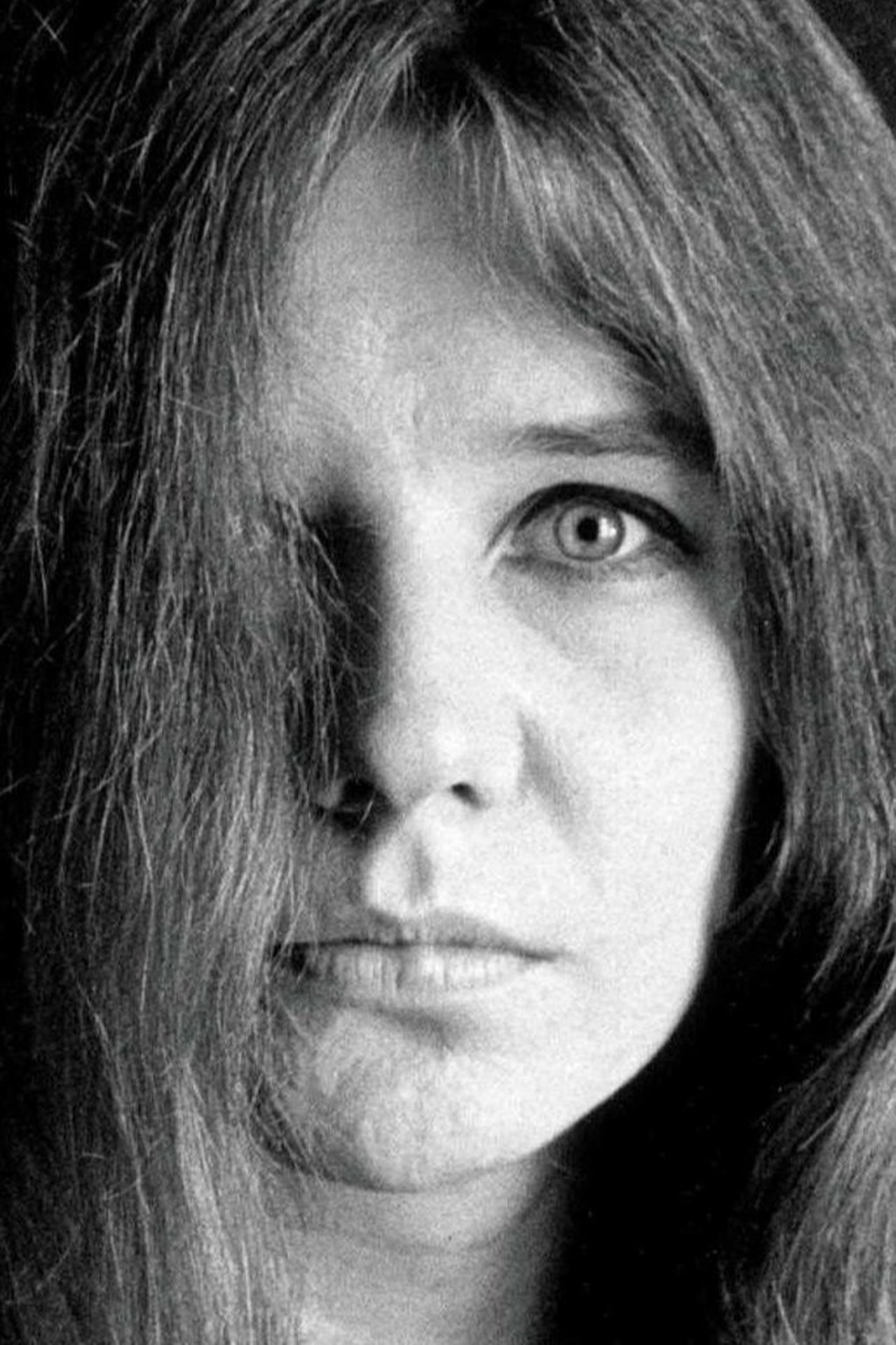
Rise to Fame
Playing 'Ball and Chain' at Monterey in 1967 was the afternoon she stopped being a local act and became something else entirely. Big Brother and the Holding Company were unknown outside San Francisco when Joplin took the stage, but she sang with a ferocity that left Cass Elliot visibly stunned in the crowd footage. The band played the festival twice: promoters invited them back a second night so D.A. Pennebaker's cameras could capture what they'd already missed. Clive Davis saw that set and signed her to Columbia soon after.
In the Spotlight
'Me and Bobby McGee' hit No. 1 in March 1971, five months after she died. That's the shape of her career: peak commercial impact came posthumously. Pearl, the album she didn't live to finish, sat at No. 1 on the Billboard 200 for nine consecutive weeks and remains quadruple platinum. She was inducted into the Rock and Roll Hall of Fame in 1995. Artists from Bonnie Raitt to Amy Winehouse cite her as formative. What keeps her in the conversation isn't the awards. It's that she helped define what burning out at 27 looks like.
Side Notes
Port Arthur, Texas made her who she was by rejecting her. She was mocked throughout school, nominated for 'Ugliest Man on Campus' at UT Austin in 1963, and went on the Dick Cavett Show specifically to announce she'd be attending her 10-year high school reunion because classmates had 'laughed me out of class, out of town, and out of the state.' The reunion disappointed her. She had also put $2,500 in her will for friends to throw a party after she died. They did, reportedly at a club in California. The invitations read: 'Drinks are on Pearl.'
Final Chapter
Road manager John Byrne Cooke found her in Room 105 of the Landmark Motor Hotel on October 4, 1970, after she missed a scheduled recording session for Pearl. Coroner Thomas Noguchi ruled the cause as heroin overdose. 'Buried Alive in the Blues,' the track she was scheduled to record vocals for that day, appears on Pearl as an instrumental. The album was released January 11, 1971, and reached No. 1 within weeks.