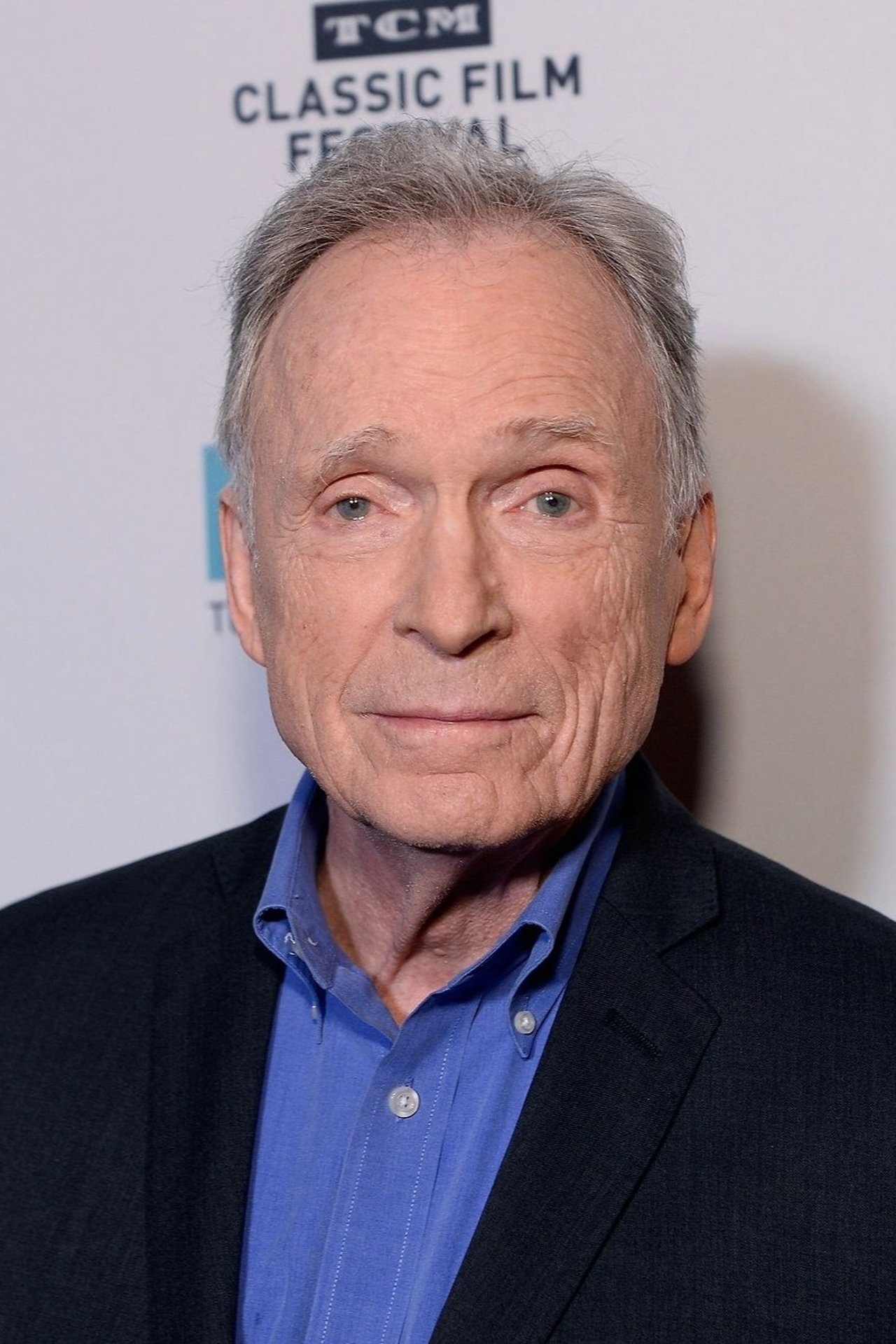
Rise to Fame
An unsolicited monologue was the pitch. He wrote Jack Paar's opening for the Tonight Show, walked into NBC headquarters without an appointment, and handed it over. Paar used it that night and hired him. Years of writing for Carson and Groucho Marx followed before ABC gave him his own show in 1968. Carson won the ratings wars. Cavett got the cultural moments.
In the Spotlight
His show's tape vault reads like a rock history syllabus: Jimi Hendrix's U.S. network TV debut, the last interview with Janis Joplin before she died, John Lennon's first major post-Beatles sit-down. The Library of Congress acquired his personal archives in 2017. He survived a stroke in 2020 and at 89 is still turning up in music videos and Off-Broadway productions. Carson got the ratings. The Library of Congress came for Cavett.
Side Notes
At a magicians' convention in 1952, he crossed paths with a young Johnny Carson for the first time. Years later he helped launch Woody Allen's TV career by booking him for Jack Paar. But the detail that reframes everything else is his decades of public candor about clinical depression: the ECT treatment at Columbia Presbyterian that he says was 'miraculous,' the suicidal thoughts he once had while driving on Long Island. He talks about it because people keep telling him it saved their fathers' lives.