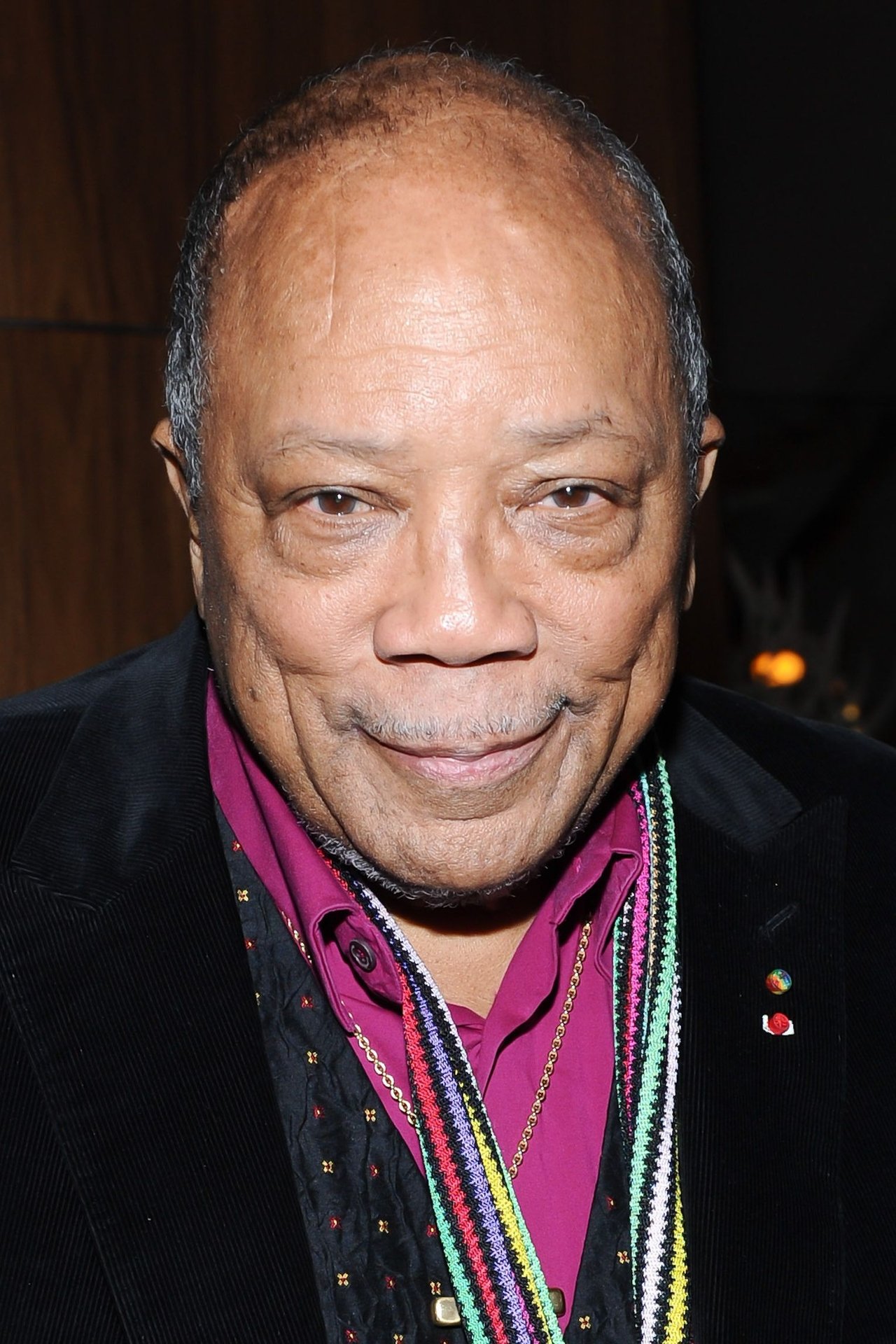
Rise to Fame
When Quincy Jones pitched himself to produce Michael Jackson's debut on Epic Records, Epic Records told him he was too jazzy. Jackson ignored them. Thriller sold over 100 million copies. But Jones had been building to that moment for two decades: jazz trumpeter with Dizzy Gillespie's band, Paris conservatory training under Nadia Boulanger, VP at Mercury Records (one of the first Black senior executives in the industry), film scores for In the Heat of the Night and The Color Purple. The catalog reads like a bet nobody else had the nerve to make.
In the Spotlight
The EGOT he completed in 2016 (a Tony for The Color Purple Broadway revival) barely scratches the surface. His 80 Grammy nominations and 28 wins put him third all-time, but the catalog argues harder: producer royalties on Thriller, Off the Wall, and Bad, TV themes for Ironside and Sanford and Son, an executive producer stake in The Fresh Prince of Bel-Air. His estate sold those rights to HarbourView Equity Partners in March 2026. Seven decades of work, still generating revenue.
Side Notes
He and some friends broke into a Seattle armory at 13 and found a piano in a back room. He's said that was the moment he knew music was his life. In 1974, two brain aneurysms left him with a one-in-100 chance of surviving the second surgery. His friends held a memorial service before the operation, with Richard Pryor, Marvin Gaye, and Sidney Poitier attending, because nobody expected him to make it. He made it. Seven kids with five women, one of them Parks and Recreation actress Rashida Jones.
Final Chapter
A memorial was held November 14 at Hollywood Forever Cemetery and live-streamed globally. The GRAMMY Museum opened an exhibition in his honor on November 20, 2024. Dr. Dre publicly credited Jones as the reason he became a record producer. Obama said Jones 'paved the way for generations of Black executives.'