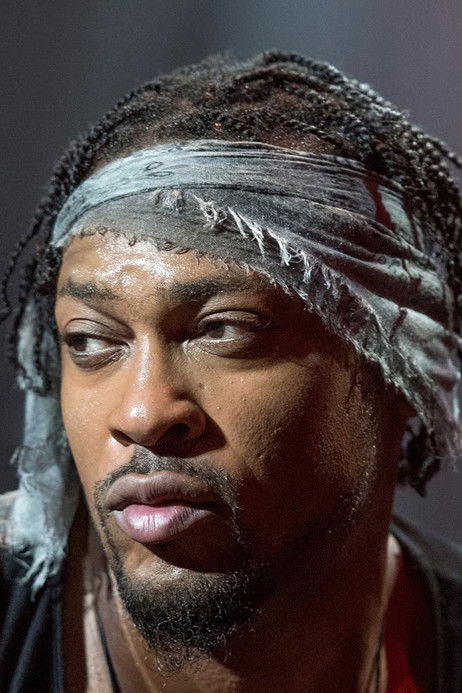
Rise to Fame
Reportedly at his mother's house in Richmond, on a four-track recorder bought with a $500 Apollo Theater prize, D'Angelo built the album that named a genre. Brown Sugar went platinum and his manager coined 'neo-soul' to describe it. Voodoo arrived five years later and hit #1 on the Billboard 200. The 'How Does It Feel' video turned him into a reluctant pin-up, which was maybe the worst thing that could've happened to his career. He didn't want to be a body. He wanted to be a musician. That distinction cost him the next 14 years.
In the Spotlight
The 14-year wait for Black Messiah might've been the best PR a musician never planned. He dropped it December 15, 2014, weeks after a grand jury declined to indict the officer who killed Michael Brown, and the timing made the album feel urgent in a way music rarely does. It debuted at #5 on the Billboard 200 and won the Grammy for Best R&B Album. He was working on a fourth album when he died. The cruel irony: the perfectionism that made him disappear for 14 years is now the reason there's unfinished work waiting.
Side Notes
His father was a Pentecostal minister and his mother kept Miles Davis on the turntable, which explains a lot about Voodoo. He won the Apollo Theater amateur competition three consecutive times at 18 and used the $500 prize to buy a recording setup. The most useful person in his life during his worst years wasn't someone he knew: Irving Azoff, the music manager, paid the $40,000 bill for Eric Clapton's Crossroads rehab facility in Antigua. He'd never met D'Angelo. He just recognized a talent worth saving.
Final Chapter
The family kept his diagnosis private; news of a 'prolonged' illness came only after his passing. A funeral on November 1, 2025 at Saint Paul's Baptist Church in Henrico, Virginia drew Stevie Wonder, Lauryn Hill, and H.E.R.; Questlove organized the service. Barack Obama sent a letter read at the ceremony. Raphael Saadiq confirmed a posthumous fourth album is planned.