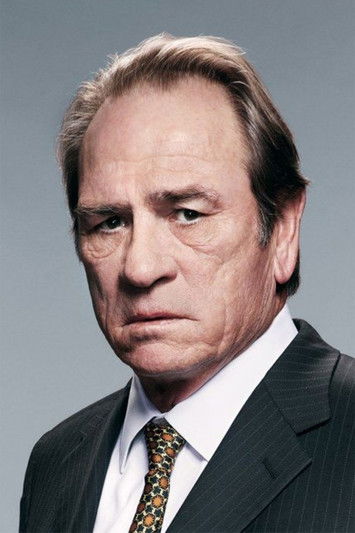
Hollywood's most reliably irritable man turned his refusal to be charming into a five-decade career nobody can argue with.
At a glance
- Known for
- Oscar-winning U.S. Marshal in The Fugitive, Agent K in Men in Black, Sheriff Bell in No Country for Old Men
- Before fame
- Played guard on Harvard's undefeated 1968 football team alongside roommate Al Gore
- Off-screen
- Runs a 3,000-acre cattle ranch in San Saba County, Texas, and funds two competitive polo teams
Rise to Fame
An oil-field worker's kid from San Saba, Texas, got a scholarship to a Dallas prep school, then into Harvard on financial aid. He played guard on the 1968 Crimson squad that scored 16 points in the final 42 seconds against Yale. His close friend in Dunster House was Al Gore.
After graduating cum laude, he went to Broadway and spent four years on the soap One Life to Live before a decade of forgettable work. Playing convicted murderer Gary Gilmore in The Executioner's Song won him an Emmy in 1982. The Oscar didn't come until 1994, for The Fugitive. He was 47. Most actors who wait that long don't get a franchise out of it. He got Men in Black.
In the Spotlight
The three Men in Black films earned a combined $1.5 billion worldwide, and his reported salary jumped from roughly $7-10 million for the first to $20 million for the sequel. But he never became a movie star in the traditional sense. He became the guy directors called when they needed someone who looked like he'd rather be somewhere else.
The Coen Brothers cast him as Sheriff Bell in No Country for Old Men, which won Best Picture. Spielberg cast him as Thaddeus Stevens in Lincoln, which got him another Oscar nomination and a SAG win. He won Best Actor at Cannes for The Three Burials of Melquiades Estrada, which he directed. The pattern is clear: give him a role that requires moral weight and zero warmth, and he'll collect hardware for it.
Side Notes
On the Batman Forever set, he cornered Jim Carrey at a restaurant and told him, "I hate you. I really don't like you. I cannot sanction your buffoonery." Director Joel Schumacher later called him an asshole. This is not gossip. This is his brand.
Off set, he runs cattle on a 3,000-acre ranch in his home county, funds two polo teams with six professional players and at least fifty horses, and hosts an annual polo tournament. Since 2006, he's been the face of Suntory's Boss Coffee in Japan, playing an alien sent to Earth to understand human life. In Japan, he's reportedly more famous for the coffee ads than for any of his films. The idea of him silently judging all of humanity from a vending machine is, honestly, perfect casting.