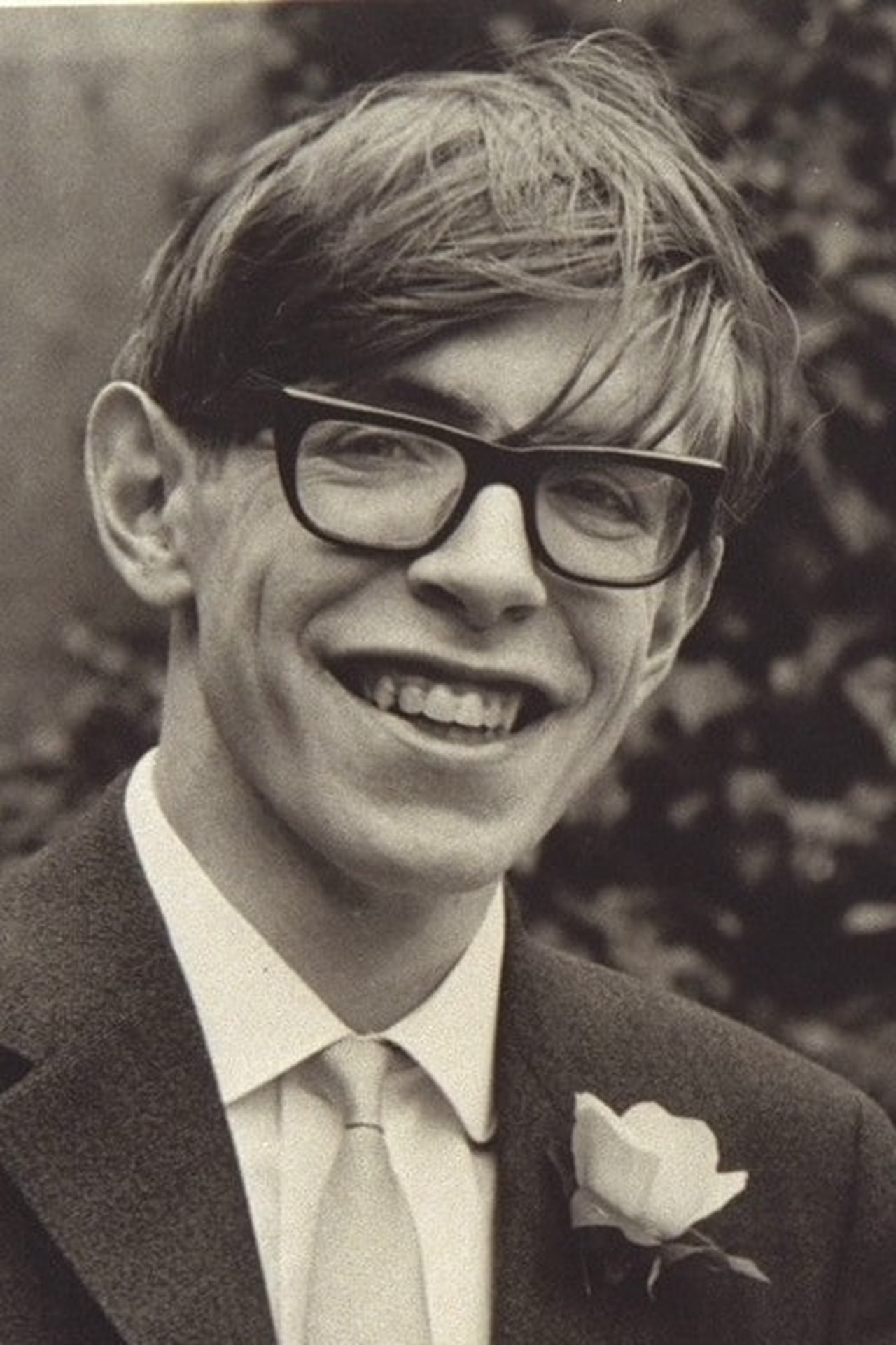
Rise to Fame
A Cambridge grad student at 21, Hawking got an ALS diagnosis and two years to live. He finished his doctorate anyway, proposed that black holes slowly emit radiation in 1974, and landed the Lucasian Professor of Mathematics chair at Cambridge. Isaac Newton's old job. But what made him famous outside physics labs was A Brief History of Time in 1988, which sold 25 million copies and spent 264 weeks on the Sunday Times bestseller list.
In the Spotlight
He's the rare scientist who crossed into genuine celebrity territory, and the wheelchair and synthesized voice did as much work as the physics. He turned up on Star Trek, The Simpsons, and The Big Bang Theory playing himself, which few theoretical physicists manage. Hawking radiation, his most significant contribution, never got experimental confirmation in his lifetime, so he never won a Nobel. He has said it was a pity, since confirmed detections would have finally earned him a Nobel. Coming from someone who survived five decades past a two-year prognosis, that's a specific kind of deadpan.
Side Notes
At 9, his grades were among the worst in his class. Friends nicknamed him Einstein as a joke. As a teenager, he built a computer from clock parts and telephone switchboard components. The slower-progressing ALS variant he had was medically unusual, still not fully explained. When Swiss doctors recommended switching off his ventilator in 1985, his wife refused and arranged an air ambulance back to England. He organized a time-traveler party and sent invitations only after it ended. Nobody came.
Final Chapter
His private funeral at Great St Mary's Church in Cambridge on March 31, 2018 drew Eddie Redmayne and Benedict Cumberbatch; the church bell rang 76 times, once for each year of his life. Westminster Abbey interred his ashes between Isaac Newton and Charles Darwin on June 15. During that ceremony, a recording of his synthesized voice was broadcast toward a black hole in space. His memorial stone, Caithness slate, carries his black hole entropy equation.