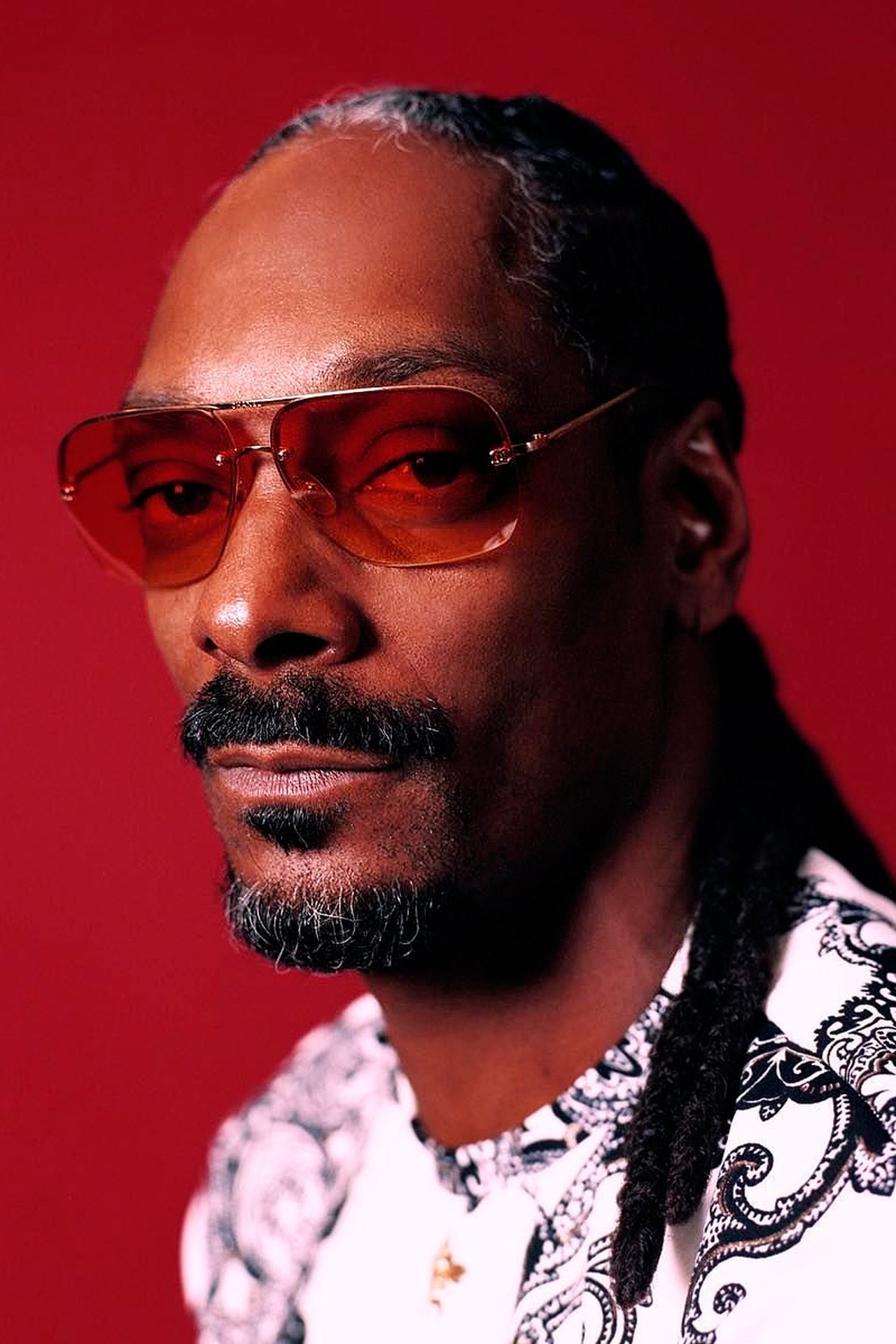
Thirty years of reinvention turned a gangsta rapper into corporate America's favorite mascot.
At a glance
- Known for
- G-funk pioneer, *Doggystyle*, and a three-decade career spanning rap, TV, and brand endorsements
- Before fame
- Sang in his Baptist church choir and started rapping in sixth grade in Long Beach
- Off-screen
- Runs a youth football league that produced NFL quarterback C.J. Stroud
Rise to Fame
A homemade tape from Long Beach made its way to Dr. Dre, who put an unknown kid on "Deep Cover" in 1992 and all over The Chronic. By the time Doggystyle dropped in November 1993, it debuted at #1 on the Billboard 200 with over 800,000 first-week copies, the fastest-selling hip-hop debut at the time.
He was also facing a first-degree murder charge. Arrested in August 1993, defended by Johnnie Cochran, acquitted in February 1996. Most careers wouldn't survive a murder trial running alongside a debut album rollout. His thrived on it.
In the Spotlight
Buying Death Row Records in 2022 was the kind of full-circle move that writes itself, but the real pivot is what happened next. He became NBC's go-to personality: special correspondent at the 2024 Paris Olympics (two Sports Emmys), coach on The Voice, Team USA's first honorary coach at the 2026 Winter Olympics, and a multi-year deal covering film, TV, and streaming.
The brand portfolio tells the rest. Corona, Skechers, Beyond Meat, BIC lighters. He's been nominated for 17 Grammys without winning a single one, but the endorsement checks clear just fine. Few people in hip-hop have made corporate America this comfortable.
Side Notes
The youth football league he founded in 2005 has put over 15,000 kids through its program. C.J. Stroud, now the Houston Texans' starting quarterback, credits the league for shaping him as a leader. That's a longer legacy than any platinum plaque.
His friendship with Martha Stewart started with a 2008 TV appearance and turned into three seasons of Potluck Dinner Party on VH1. He tried being a Rastafari named Snoop Lion for a year, released a gospel album, and carried the Olympic torch. The reinventions don't always stick, but the willingness to try anything is the entire point.