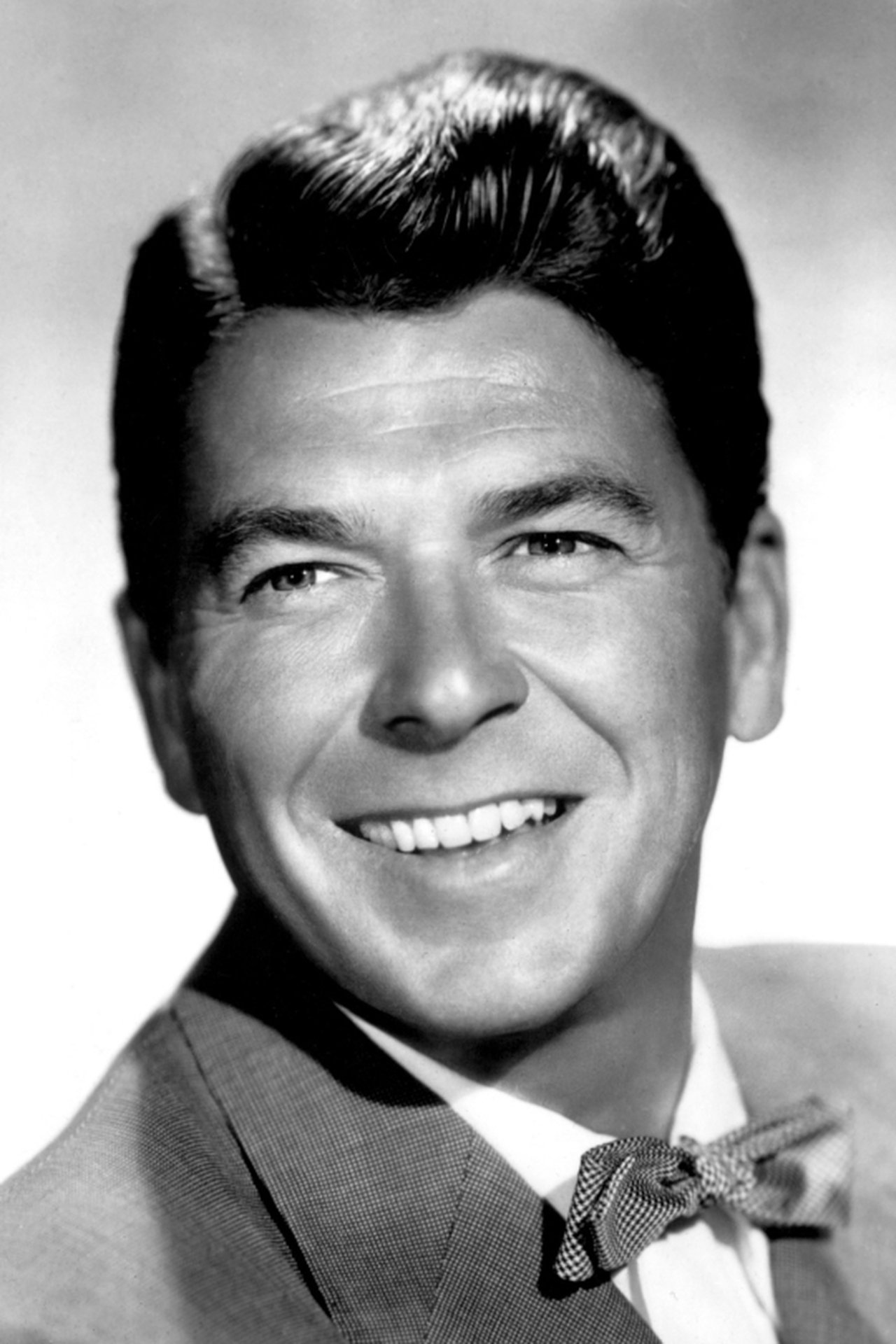
The fading actor who discovered that politics was just a bigger screen, and never broke character once.
At a glance
- Known for
- 40th U.S. President, Cold War leader, former Hollywood actor
- Before fame
- Saved 77 people as a lifeguard over seven summers in Dixon, Illinois
- Off-screen
- Wrote a handwritten letter to the nation disclosing his Alzheimer's diagnosis in 1994
Rise to Fame
The breakthrough wasn't Hollywood. His film career peaked with Kings Row in 1942 and slid into B-movies by the early 1950s. The real pivot was General Electric. Eight years as a corporate spokesman, touring factory floors and delivering pro-business speeches, turned a New Deal Democrat into a movement conservative. He started the GE job in 1954 as a liberal anticommunist and got dropped in 1962 for drifting too far right.
Two years later, a televised speech for Barry Goldwater's doomed presidential campaign raised $1 million and drew comparisons to William Jennings Bryan's "Cross of Gold." Goldwater lost 44 states. Reagan won the California governor's race two years after that, beating the incumbent by nearly a million votes.
In the Spotlight
525 electoral votes in 1984, the Berlin Wall cracking open less than a year after he left office, a top tax rate slashed from 73% to 28%. The highlight reel is staggering. The footnotes are brutal.
He didn't publicly address AIDS until 1987, when over 36,000 Americans had been diagnosed. Fourteen officials faced charges over Iran-Contra while a congressional report pinned "ultimate responsibility" on him. The public debt rose by more than half as a share of GDP, and the bottom 20% of earners saw incomes shrink while the top 20% gained 29%. The Republican Party still invokes his name but has largely abandoned his positions on free trade and internationalism. His legacy isn't settled. It's a fight the party is still having with itself.
Side Notes
A bullet lodged near his heart, 69 days into the presidency, and his first move was a punchline: "Honey, I forgot to duck." He told the surgeons he hoped they were Republicans. That wasn't courage under fire. That was a man who'd spent 30 years learning to never lose the room, from recreating Cubs games off telegraph wire reports in Iowa to eight years as General Electric's road-show spokesman.
His first marriage ended when Jane Wyman filed for divorce in 1948, making him the only divorced president in American history. The second started because Nancy Davis needed the SAG president to get her name off the Hollywood blacklist. Charlton Heston called it "the greatest love affair in the history of the American Presidency."
Final Chapter
His state funeral drew over 200,000 mourners and dignitaries from 165 nations. George H.W. Bush, Margaret Thatcher, Brian Mulroney, and George W. Bush delivered eulogies. June 11, 2004 was declared a National Day of Mourning, and U.S. flags flew at half-staff for 30 days.