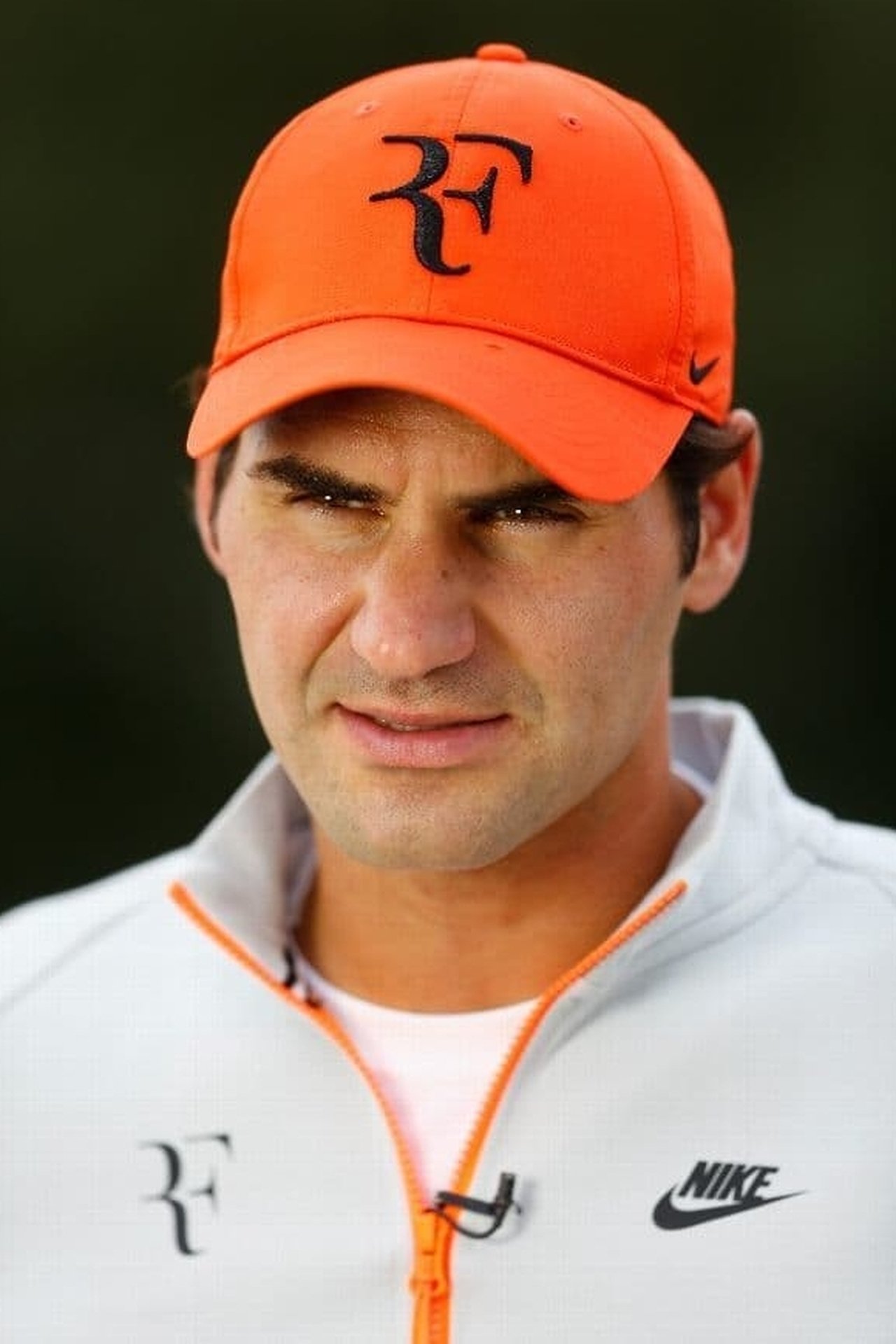
He played tennis for a living and made a billion dollars doing everything else.
At a glance
- Known for
- 20 Grand Slam singles titles, 8 Wimbledon championships, 237 consecutive weeks at world No. 1
- Before fame
- Ball boy at the Swiss Indoors tournament in Basel at age 11
- Off-screen
- Two sets of twins and a 3% stake in On Running worth more than his career prize money
Rise to Fame
The tantrums came first. As a junior, he threw rackets and screamed at himself until coaches questioned whether the talent was worth the temperament. Australian Peter Carter took him on at age 10 and spent years teaching him to channel the fury. Carter died in a car crash in South Africa in August 2002. Federer has said it was the wake-up call that made him get serious.
Less than a year later, he won Wimbledon, the first Swiss man to lift the trophy in 117 editions of the Championships. By February 2004 he was world No. 1, and he held it for a record 237 consecutive weeks. The hothead was gone. What replaced him made winning look boring.
In the Spotlight
Prize money across 24 years of professional tennis: $130.6 million. Estimated net worth: $1.3 billion. The gap tells you everything about where he stands now.
His wife Mirka bought a pair of On Running shoes, liked them, and introduced him to the founders. He bought a roughly 3% stake. The company hit roughly $17 billion in valuation. A $300 million Uniqlo deal signed in 2018 pays out whether he plays or not. The Laver Cup, a team event he co-created through his management firm Team8, generates over $20 million annually. He didn't just endorse products. He bought equity.
Side Notes
The meniscus tear that derailed his 2016 season happened while he was running a bath for his daughters. He played 28 matches that year, his fewest in any full professional season. He came back six months later and won the Australian Open at 35, trailing Nadal 3-1 in the fifth set of the final before reeling off five straight games.
His wife Mirka was a WTA player who gave up her career after a foot injury and became his PR manager, travel partner, and operational backbone. Every year since 2005, Federer has flown Peter Carter's parents to the Australian Open at his expense. The people behind the image did more work than the forehand.