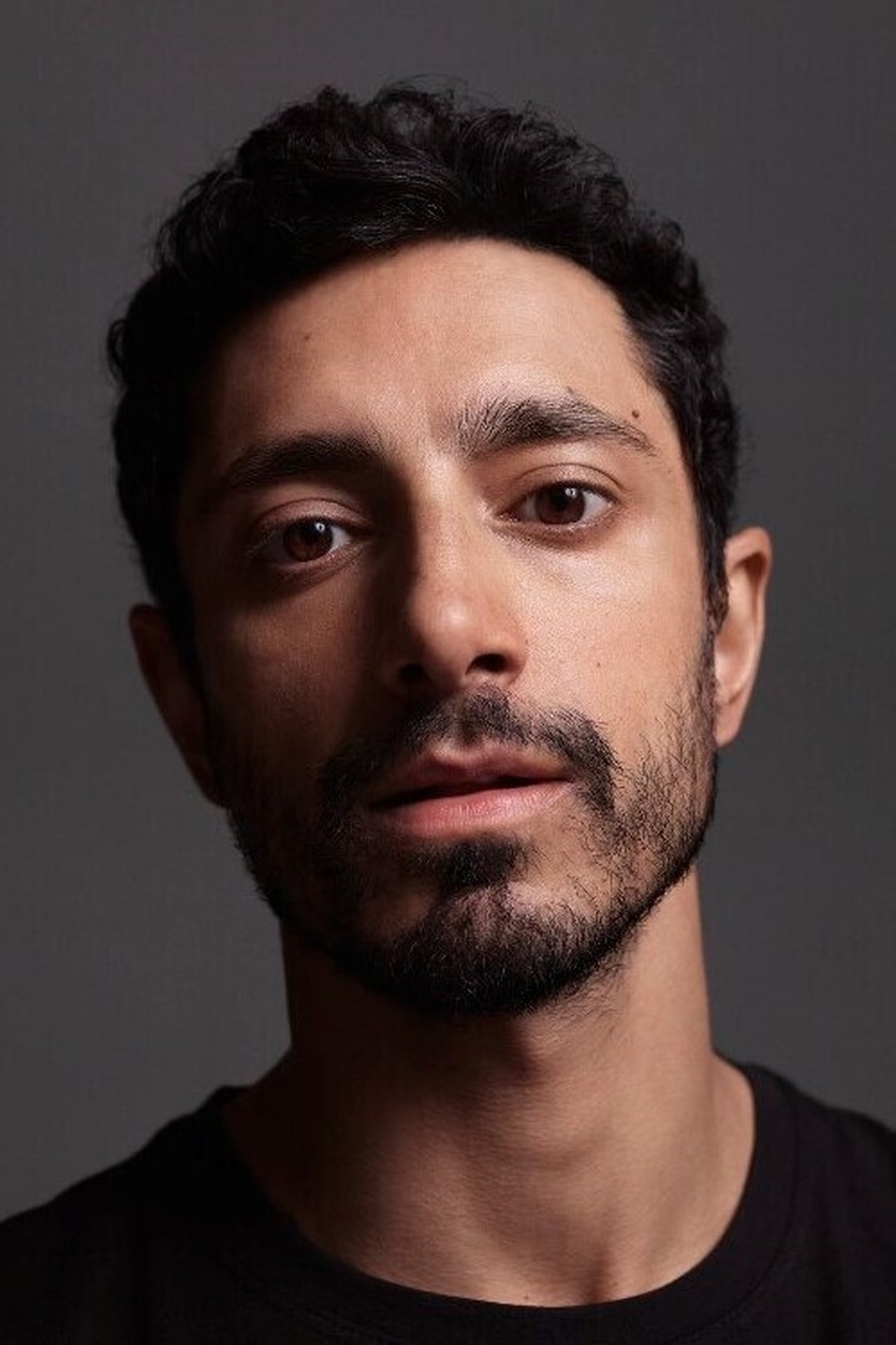
An Oxford PPE grad who picked pirate radio over Parliament and turned being uncastable into the whole point.
At a glance
- Known for
- Emmy and Oscar-winning actor, rapper as Riz MC, *Sound of Metal*, *The Night Of*
- Before fame
- Oxford PPE graduate who nearly dropped out, then retrained at drama school
- Off-screen
- Married novelist Fatima Farheen Mirza after meeting over a laptop charger in a Brooklyn coffee shop
Rise to Fame
A Guantanamo Bay detainee was the first role anyone offered him, which says everything about the parts available to British Pakistani actors in 2006. He spent years in the indie trenches: Shifty got him a BIFA nomination, then Four Lions, Chris Morris' terrorism satire, got him another. Hollywood noticed when he showed up opposite Jake Gyllenhaal in Nightcrawler, but the real arrival was The Night Of on HBO.
He played Naz Khan, a college kid swallowed whole by the criminal justice system, and won the Emmy, becoming the first Muslim and first South Asian man to take the category. The roles available hadn't changed. He'd just made them impossible to ignore.
In the Spotlight
Seven months learning drums and American Sign Language for Sound of Metal earned him the first Best Actor Oscar nomination for a Muslim performer. He didn't win that one, but the performance wasn't the kind anyone forgets. The Long Goodbye, a short he co-created with Aneil Karia, took Best Live Action Short the following year, making him an actual Oscar winner.
Left Handed Films, his production company, punches above its weight. Flee made history as the first film nominated in three different Oscar categories at the same ceremony. Bait, a comedy about a struggling actor auditioning for Bond, pulls 97% on Rotten Tomatoes. Getting the show made required convincing Barbara Broccoli to license 007 after sending the script, with one condition: don't put her in it.
Side Notes
He's said border agents have stopped him at airports for over 15 years, and that he missed a Star Wars event because officials barred him from boarding. After the Berlin Film Festival, police at Luton Airport asked whether he'd become an actor to further the Islamic cause.
That anger went somewhere. He gave a diversity lecture at Parliament in 2017, then launched the Blueprint for Muslim Inclusion with USC Annenberg. The study found fewer than 10% of top-grossing films featured a single Muslim character. Researchers later coined the Riz Test for measuring representation, which is the kind of naming rights most actors don't live to see.