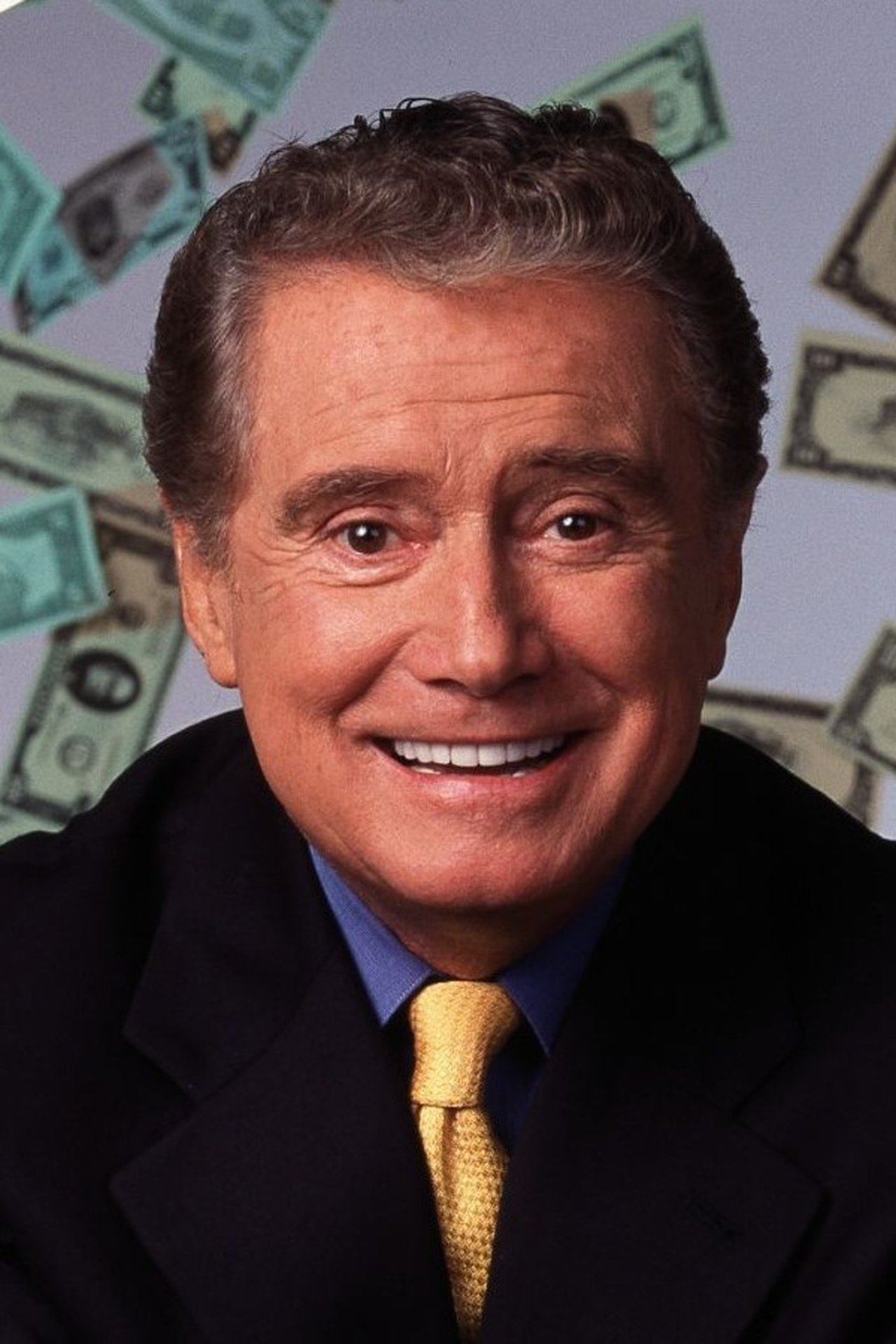
Sixteen thousand hours of television, and the trick was making it look like he wasn't trying.
At a glance
- Known for
- Host of Live! and Who Wants to Be a Millionaire
- Before fame
- Worked as a page at The Tonight Show in 1955
- Off-screen
- Daughter J.J. married Michael Schur, creator of Parks & Rec and The Good Place
Rise to Fame
A San Diego talk show in 1961 couldn't afford a writing staff, so he walked out every morning and just talked about his life. That improvised "host chat" segment became the format's entire selling point.
Nothing stuck nationally for two decades. He bounced between local gigs and a sidekick slot on The Joey Bishop Show, where he once walked off mid-broadcast over bad reviews, then came back like nothing happened. Kathie Lee Gifford joined his New York morning show in 1985. By 1988, Live with Regis and Kathie Lee was in national syndication, pulling over 18 million viewers at its peak. His career strategy wasn't brilliance. It was refusing to leave the building.
In the Spotlight
Most television careers peak early. His peaked at 68. Who Wants to Be a Millionaire debuted in August 1999 and became the most-watched prime-time series of the season, turning a daytime talk show host into a prime-time phenomenon. "Is that your final answer?" entered everyday American English. His monochromatic suit-and-tie look became a menswear trend, with retailers reporting daily requests for "the Regis look."
He logged more than 16,746 hours on camera, a Guinness record. Mayor Bloomberg gave him a key to New York City on his final Live broadcast in 2011, after 28 years of hosting. The show didn't need him to be brilliant. It needed him to show up, and 16,746 hours is what that looked like.
Side Notes
Over 130 appearances on the Late Show made him David Letterman's most frequent guest. Letterman called him "the best guest we ever had" and put him "in the same category as Carson." On September 17, 2001, he was one of the first faces on Letterman's stage when the show resumed after 9/11.
For decades, everyone assumed he was an only child. In February 2007, he announced on Live that he had a brother named Frank who'd just died of non-Hodgkin lymphoma. The man who built a career talking about himself on television had kept a sibling completely out of it.
Final Chapter
Kathie Lee Gifford said he'd been 'depressed' during COVID because 'he couldn't be Regis for people.' A lunch at her Connecticut home two weeks before his death was the last time his wife Joy heard him laugh. The funeral took place at the Basilica of the Sacred Heart at Notre Dame, with burial at Cedar Grove Cemetery on campus. His family requested donations to the Food Bank NYC and the Center for the Homeless in South Bend.