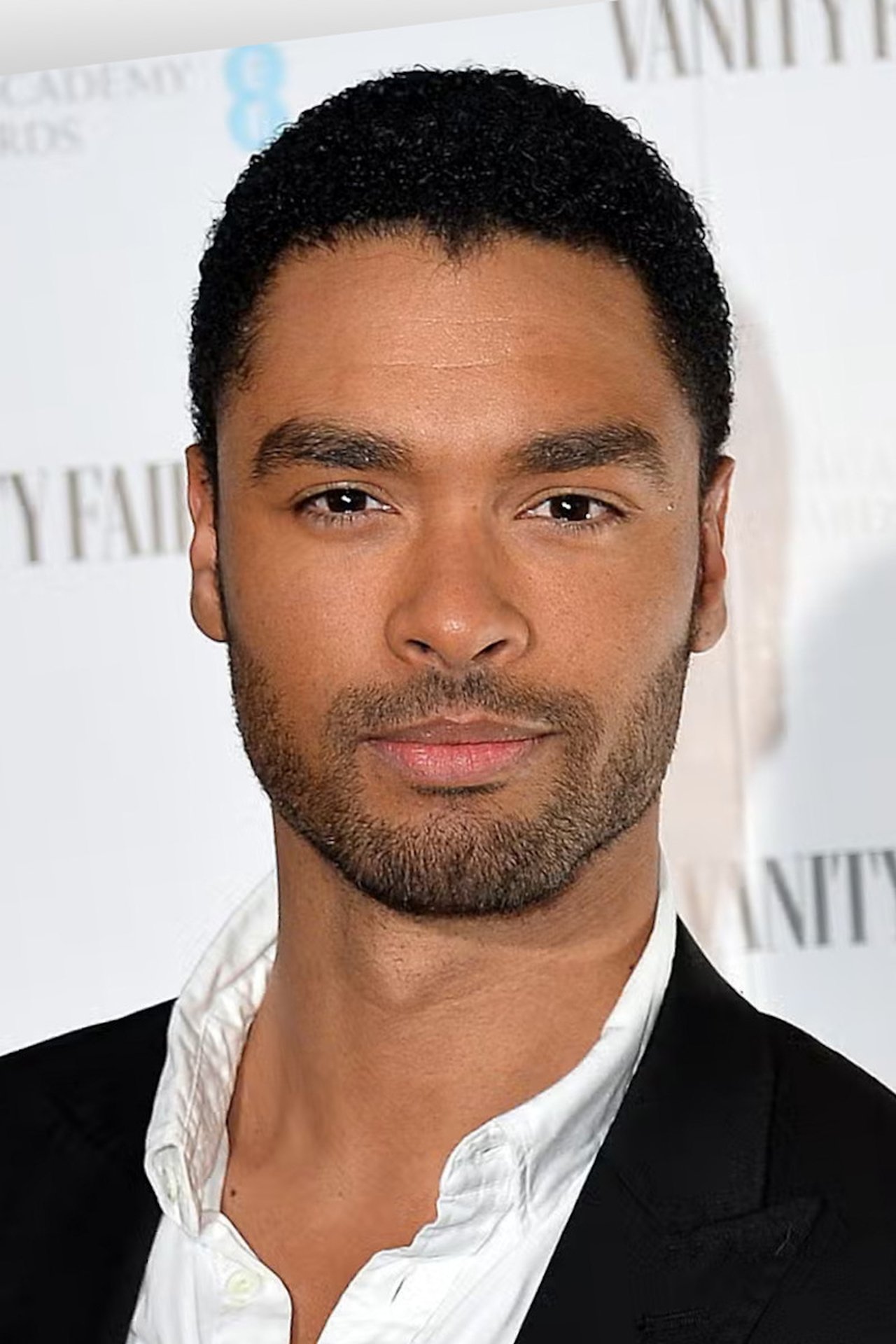
One season of television made him the most wanted man on Netflix, and walking away from it has been the defining gamble of his career.
At a glance
- Known for
- Simon Basset in Bridgerton Season 1, Emmy-nominated breakout role
- Before fame
- Uncredited 3-second cameo as a wedding guest in Harry Potter and the Deathly Hallows
- Off-screen
- Co-founded production company A Mighty Stranger with his partner Emily Brown
Rise to Fame
A cancelled Shondaland legal drama on ABC turned out to be the best thing that happened to him. For the People lasted two seasons, but it put him inside Shonda Rhimes' orbit. When Bridgerton needed a Duke of Hastings, he was already in the ecosystem.
The show hit 82 million households in 28 days and reached #1 in 83 countries. He picked up an Emmy nomination, an NAACP Image Award, and an SNL hosting gig within months. He didn't come back for Season 2. He'd only signed a one-season deal, reportedly turned down $50,000 per episode for guest appearances, and bet everything on becoming a movie star instead.
In the Spotlight
The post-Bridgerton film career hasn't gone according to plan. The Gray Man got him called "one-dimensionally evil" by critics. Dungeons & Dragons: Honor Among Thieves opened to $38.5 million domestically against a $150 million budget. Soderbergh's Black Bag earned 97% on Rotten Tomatoes but pulled just $43.4 million worldwide. Good directors, strong casts, commercial disappointment.
He's pivoting into production. A Mighty Stranger, his company, now has a Netflix erotic thriller (Hancock Park), an Apple TV+ series in development, and a Count of Monte Cristo adaptation where he stars and produces. The charm that made him the Duke hasn't found its film vehicle yet, but he's building the infrastructure to create one himself.
Side Notes
Born in Harare to an English preacher and a Zimbabwean nurse, he moved to London for secondary school. That cross-continental childhood shows up in how he talks about Bridgerton: he's said that representing Black joy in period drama matters because "a period drama for people who aren't white shouldn't mean only spotlighting trauma."
The Krypton incident adds context. He reportedly auditioned to play Superman's grandfather in the DC series, and Geoff Johns allegedly blocked the casting because "Superman could not have a Black grandfather." Johns' team claimed it was about continuity with Henry Cavill. Page called the revelation "hurt." Years later, the same industry that told him he couldn't play a superhero's ancestor couldn't stop talking about making him James Bond.