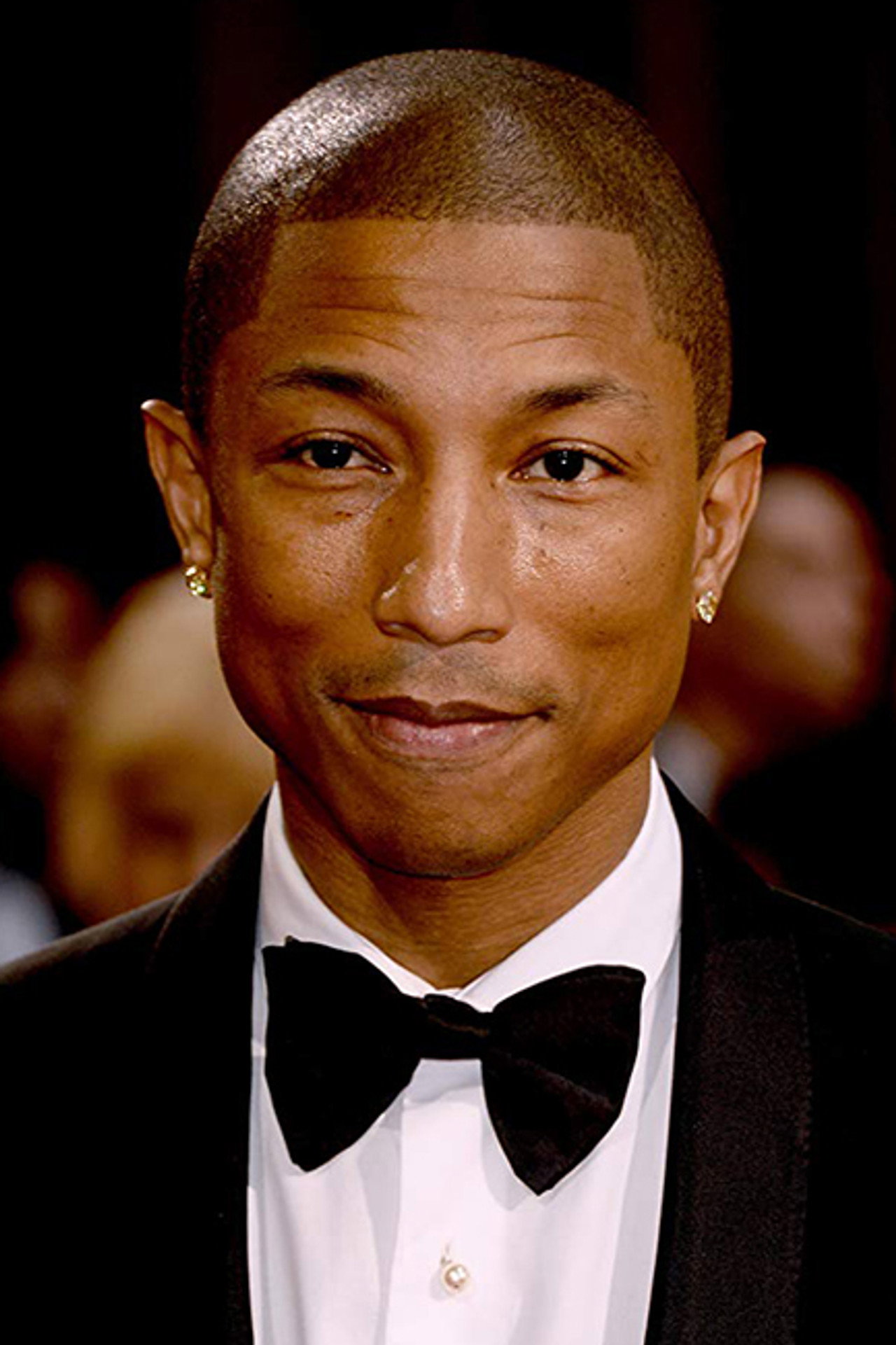
Most producers stay behind the board. He treated taste like a passport and walked it into every room from the recording studio to Louis Vuitton.
At a glance
- Known for
- Producer behind 'Happy', the Neptunes, and Louis Vuitton's menswear
- Before fame
- Met Chad Hugo at a seventh-grade summer band camp in Virginia Beach
- Off-screen
- Runs a tuition-free micro-school for grades 5-9 on Norfolk State's campus
Rise to Fame
Two kids from a Virginia Beach band camp sold a song to Wreckx-N-Effect while still in high school. That was a novelty hit. What came next wasn't. As the Neptunes, they spent the late '90s building a production sound that didn't belong to any genre, moving from Noreaga's "Superthug" to ODB's "Got Your Money" without sounding like tourists in either lane.
The takeover hit full speed in 2001. "I'm a Slave 4 U" turned Britney Spears darker. Justified made Justin Timberlake a solo act. By 2003, a widely cited survey claimed the Neptunes produced 43% of songs on American radio. The number is disputed, but the point stands: for about three years, one duo from Virginia had more influence over what America heard than any label.
In the Spotlight
The Blurred Lines verdict hit him with $5 million in damages and half the song's future royalties, all because a jury thought the track's "feel" resembled Marvin Gaye. The case became a landmark for music copyright. His career didn't flinch.
By 2023, he was creative director of menswear at Louis Vuitton, succeeding the late Virgil Abloh. The appointment wasn't out of nowhere. He'd been collaborating with LVMH since the early 2000s, and his Millionaire sunglasses still resell at more than double their original price. He produced the first Clipse album in 16 years in 2025, which pulled five Grammy nominations. France knighted him in January 2026. He's not pivoting from music to fashion. He's running both at full speed, and nobody's questioning the range.
Side Notes
A 2007 photo shows him at a party with Kanye West and Virgil Abloh, all three wearing his LV Millionaire sunglasses. Abloh became Louis Vuitton's first Black American creative director. Tyler, the Creator has called Pharrell the single biggest influence on his music, fashion, and art. The pattern isn't music or fashion specifically. It's that his taste kept showing up in other people's careers before anyone thought to credit him for it.
He cofounded Billionaire Boys Club with Japanese streetwear designer Nigo in 2003, years before hip-hop and luxury streetwear merged into a real industry. His early friendship with Nigo helped introduce Bape to American hip-hop. The playbook is always the same: show up early, make it look effortless, and wait for the rest of the culture to catch up.