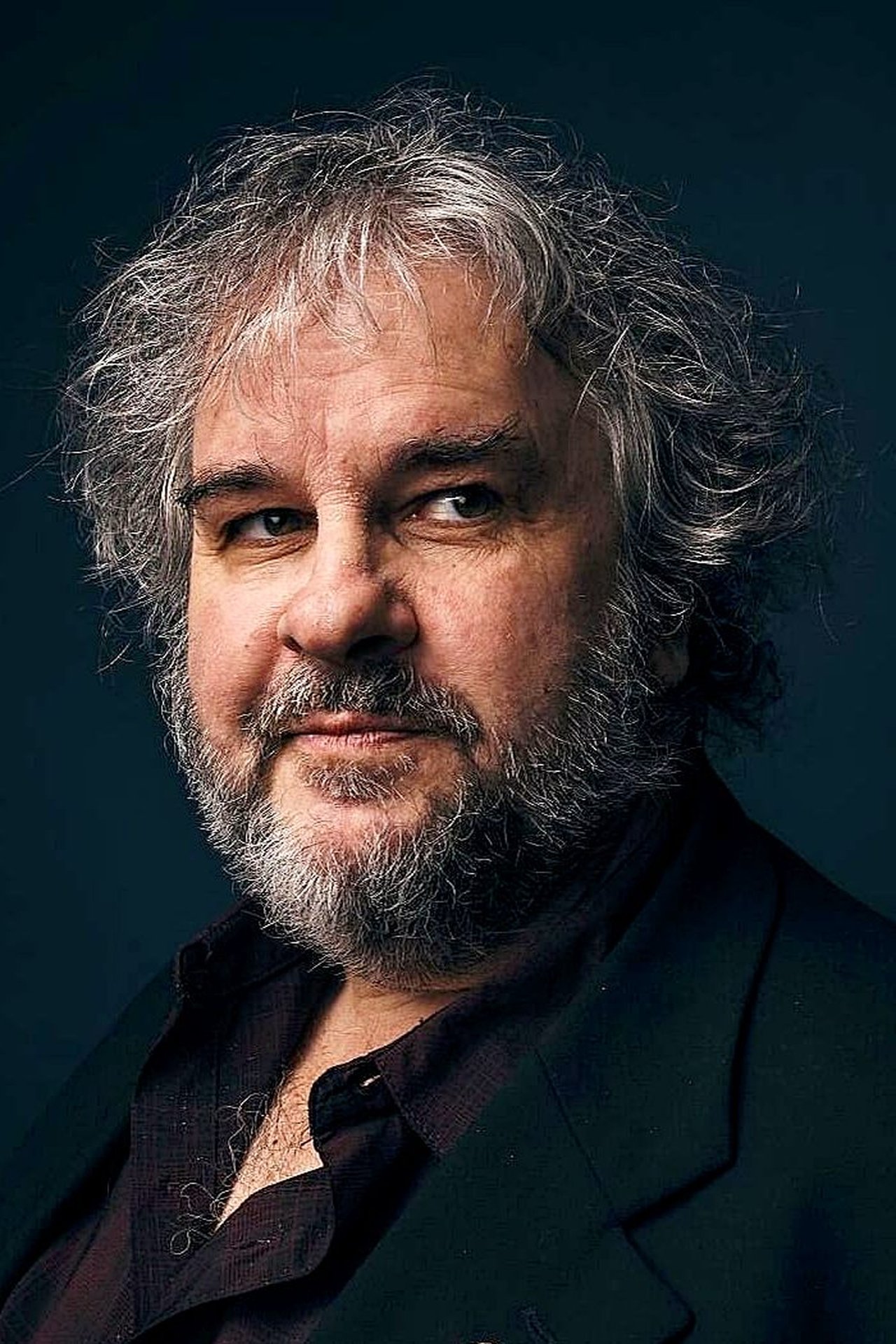
Rise to Fame
He made his first feature, Bad Taste, over four years of weekends with $25,000 and alien masks he baked in his mother's oven. That film premiered at Cannes in 1987 and sold to 12 countries. Braindead cemented his reputation in splatter horror, but Heavenly Creatures got him an Oscar nomination and Hollywood's attention. The real break came when Harvey Weinstein demanded Lord of the Rings fit in one film. Jackson said no, had a month to find a new studio, and walked into New Line Cinema with a pitch for two films; chairman Bob Shaye said make three, and shoot them all simultaneously.
In the Spotlight
Return of the King won 11 Oscars in 2004, tying the all-time record. Then he stretched The Hobbit into three films and spent the next decade defending that decision. In 2021 he sold Weta Digital to Unity Technologies for $1.625 billion, becoming a billionaire and walking away from the VFX infrastructure he'd spent thirty years building. Now he's back as a producer on The Hunt for Gollum, a Warner Bros. return to Middle-earth set for 2026. Whether that's a filmmaker reclaiming his franchise or a brand protecting its IP is still an open question.
Side Notes
His origin story doesn't fit the Hollywood mold. No film school. No connections. He grew up obsessing over Ray Harryhausen movies, reportedly worked as a newspaper photo engraver in Wellington, and shot Bad Taste over four years of weekends because he couldn't afford to quit his day job. The obsessions have always been specific: he attempted a stop-motion King Kong remake at age 9 and got the real version in 2005. He's invested in Colossal Biosciences, the startup working to resurrect woolly mammoths. When Jackson bets on something, he's usually been thinking about it for decades.