Part of Game of Thrones featuring Emilia Clarke, Kit Harington, Lena Headey, Nikolaj Coster-Waldau, and Sophie Turner.
Rise to Fame
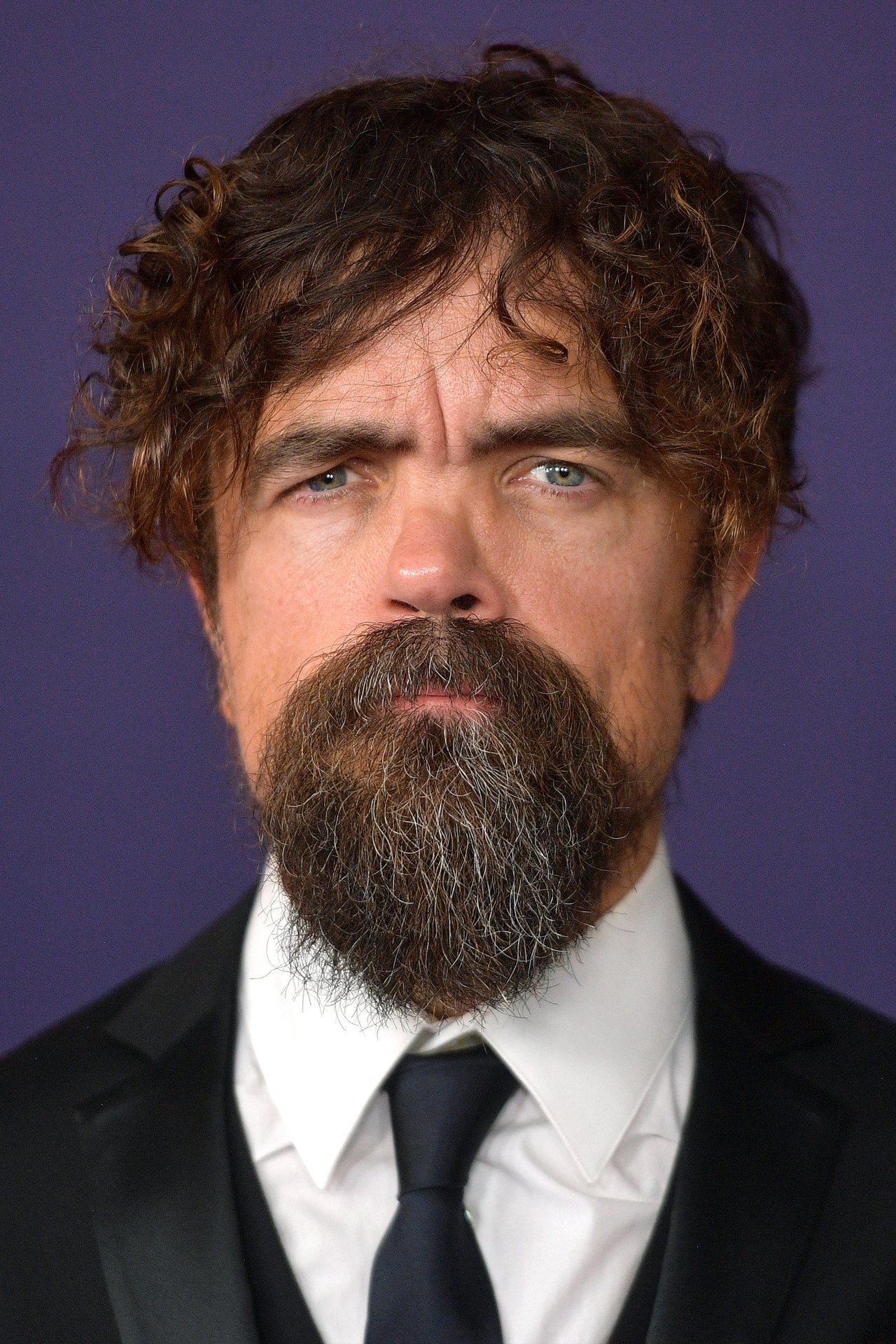
He spent years turning down every part that involved pointed ears or holiday cheer. When you're 4'5" and auditioning in the early nineties, Hollywood's default is "elf." Dinklage said no, moved into a New York loft he could barely afford, and waited. The Station Agent (2003) turned it around: Tom McCarthy cast him as a quiet, withdrawn man who inherits a New Jersey train depot, and Dinklage delivered something the industry hadn't seen from him before. SAG and Spirit Award nominations followed. After that, Hollywood had to engage with him as an actor.
In the Spotlight
He won four Emmys for Tyrion Lannister, a record for any actor in the Supporting Actor Drama category. The show gave him top billing starting in season two, which tells you where the weight was. Since Game of Thrones ended in 2019, the work has been varied in a way that feels deliberate: villain in Dexter: Resurrection, voice role in Wicked: For Good, starring opposite Channing Tatum and Kirsten Dunst in Derek Cianfrance's crime drama Roofman. He's picking projects that don't repeat themselves.
Side Notes
Before Tyrion, he played in a punk-funk-rap band called Whizzy at CBGB. The scar running from his neck to his eyebrow came from one of those gigs. He's been vegan for years and is a Farm Sanctuary spokesperson. At the 2012 Golden Globes, he used his acceptance speech to draw attention to Martin Henderson, a man with dwarfism who'd been partially paralyzed in a dwarf-tossing incident by a drunk rugby fan. The speech was enough to revive public debate on the practice, briefly. He doesn't position himself as a spokesperson, but the moments he does speak tend to matter.