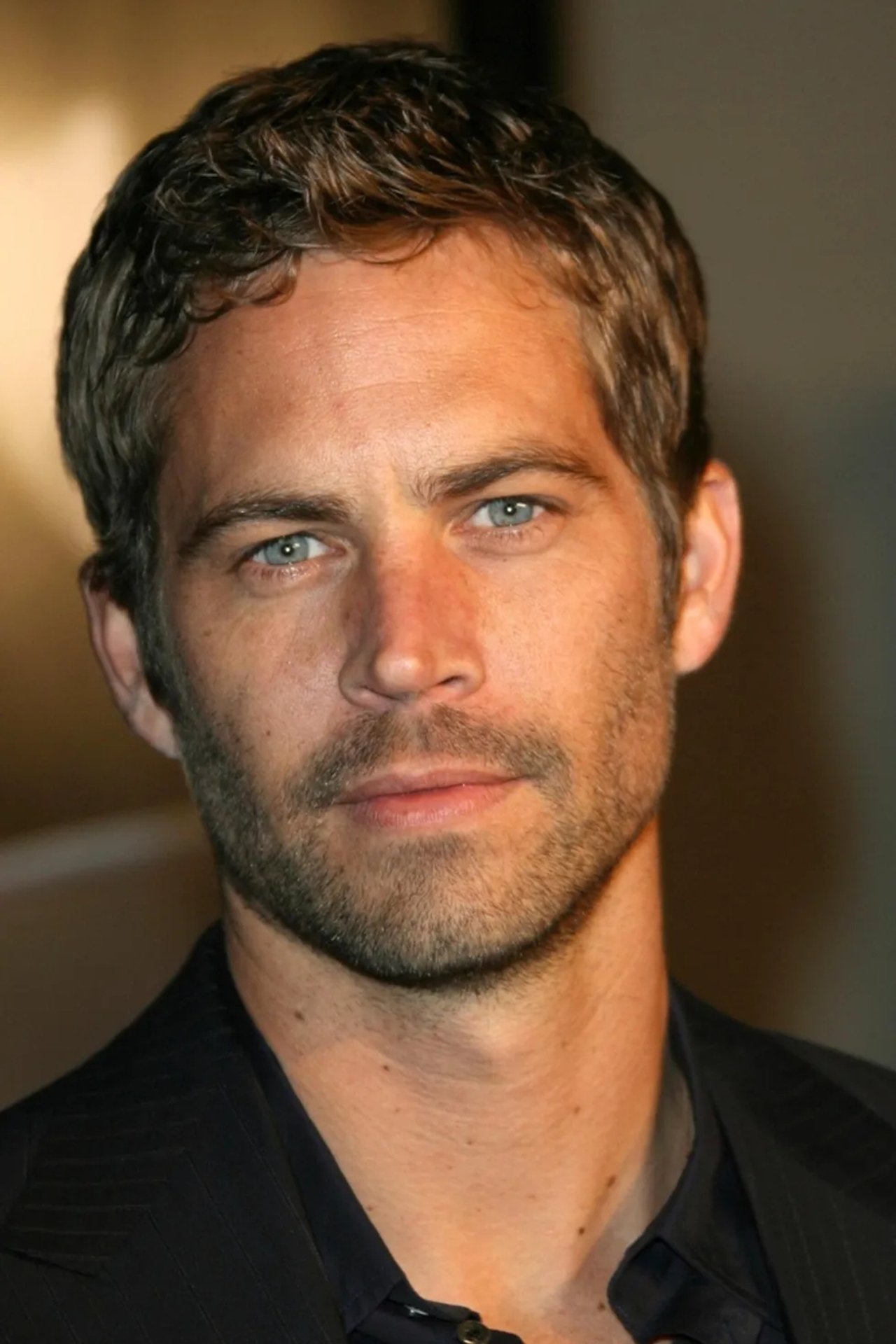
Part of Gone Too Soon featuring Heath Ledger and Chadwick Boseman, and Fast & Furious with Vin Diesel and Michelle Rodriguez.
Rise to Fame
Walker spent a decade doing forgettable TV and cycling through teen films like Varsity Blues and She's All That as the handsome guy who wasn't quite the lead. The Fast and the Furious changed that in 2001, not because of any particularly daring performance, but because he and Vin Diesel had the kind of on-screen chemistry franchise studios spend billions chasing. The film grossed over $200 million worldwide. He'd spend the next twelve years both wrestling with and leaning into a franchise that turned him into a movie star.
In the Spotlight
He co-founded Reach Out Worldwide after the 2010 Haiti earthquake and personally deployed to disaster sites, running chainsaws alongside volunteers. When Typhoon Haiyan hit in 2013, he was leaving a charity fundraiser for survivors when his car crashed. He wasn't a celebrity who lent his name to a cause. His daughter Meadow settled a wrongful death lawsuit against Porsche for $10.1 million in 2016, then launched her own charity continuing his work. The franchise outlived him, but the off-screen version of Paul Walker turned out to be the more interesting story.
Side Notes
He held a brown belt in Brazilian jiu-jitsu and tagged Great White sharks for a National Geographic expedition in 2010, neither of which was a PR exercise. His marine biology interest dated to a childhood obsession with Jacques Cousteau. On MTV Cribs he reportedly showed up in a mobile home while co-stars were flexing mansions. The car obsession that made him right for Brian O'Conner was real. He owned Always Evolving, a performance shop in Valencia, and the Porsche Carrera GT that killed him was one of roughly 1,270 ever built.
Final Chapter
Furious 7 halted production days after Walker died. Universal brought in his brothers Caleb and Cody to complete unfilmed scenes, with Weta Digital digitally rebuilding Paul's face over theirs in roughly 260 shots. The film grossed $1.5 billion worldwide upon release in April 2015, and its tribute song "See You Again" by Wiz Khalifa and Charlie Puth became the best-selling song globally that year.