Part of Goodfellas featuring Ray Liotta, Robert De Niro, Joe Pesci, Lorraine Bracco, and Samuel L. Jackson.
Rise to Fame
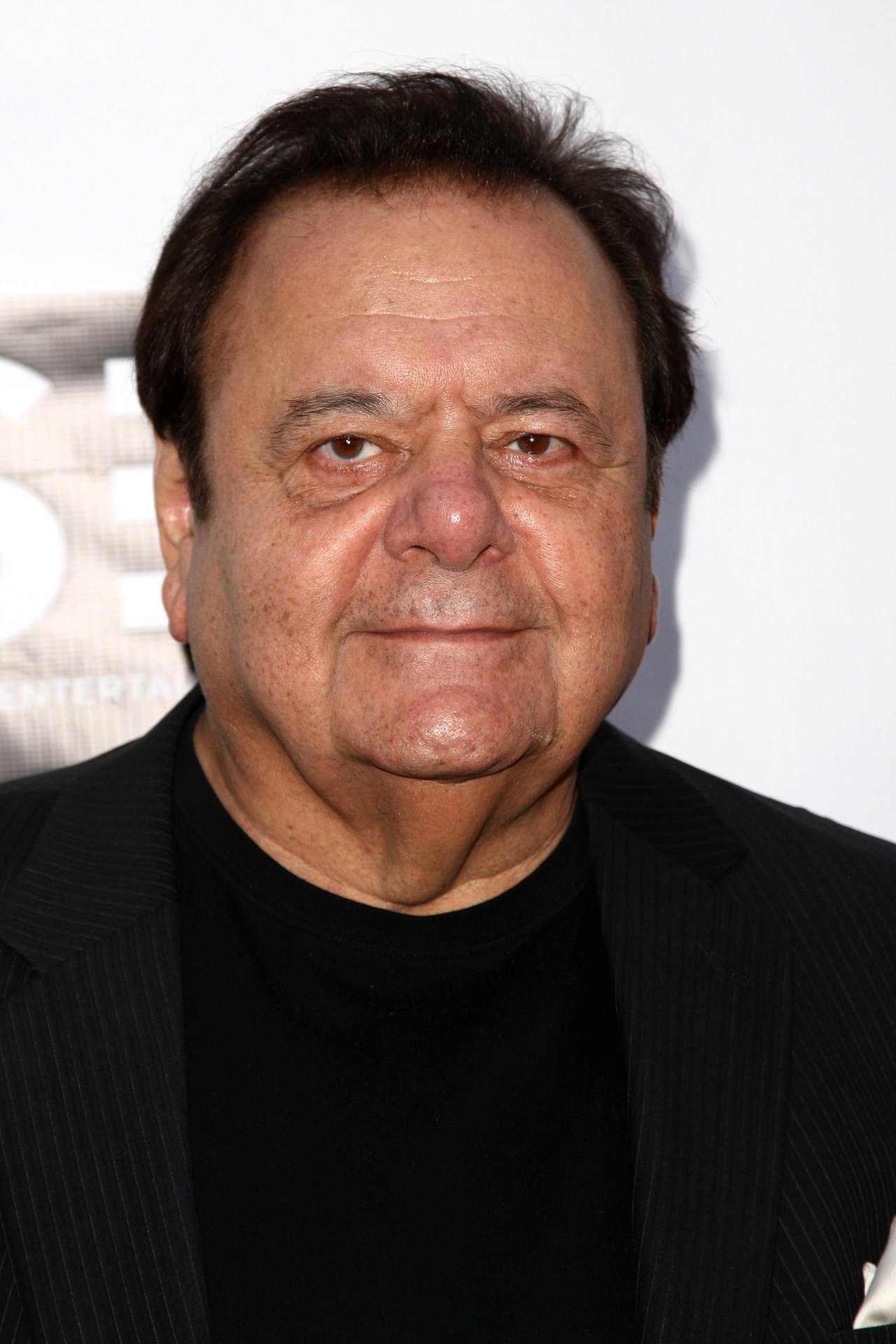
After seeing Goodfellas, Sorvino's first reaction was that it was 'boring, excessively violent, and not a good movie' and that he'd hurt his career. Three hours later, he reconsidered. His Tony-nominated Broadway work in 1972 had established him as a serious actor, but Paulie Cicero, the quietly menacing mob boss in Scorsese's 1990 classic, put him on the cultural map. The stillness he brought to that role made everyone around him watch their step.
In the Spotlight
He spent the 1990s proving Goodfellas wasn't a fluke. Henry Kissinger in Oliver Stone's Nixon earned him a Screen Actors Guild nomination, and two seasons as Sergeant Phil Cerreta on Law & Order showed he could anchor a procedural. He quit after 29 episodes, partly to protect his voice for opera. That choice says everything about who he was: a character actor who took his singing more seriously than most people took their day jobs.
Side Notes
Acting wasn't even his first love. Sorvino trained for 18 years as an opera singer, released a Broadway-style album, and quit a hit TV show to protect his vocal cords. He was also a sculptor specializing in cast bronze, a poet, a cookbook author, and the founder of the Paul Sorvino Asthma Foundation, built around a childhood defined by severe asthma attacks. He launched a pasta sauce line in 2007. Most people know him as a mob boss.
Final Chapter
His wife Dee Dee Sorvino was at his side when he died at Mayo Clinic Florida. His daughter Mira Sorvino announced his passing on Twitter, writing "My heart is rent asunder." His death came two months after Goodfellas co-star Ray Liotta and three weeks after Godfather actor James Caan. Vincent D'Onofrio, Ralph Macchio, and Jane Lynch were among those who paid public tribute.