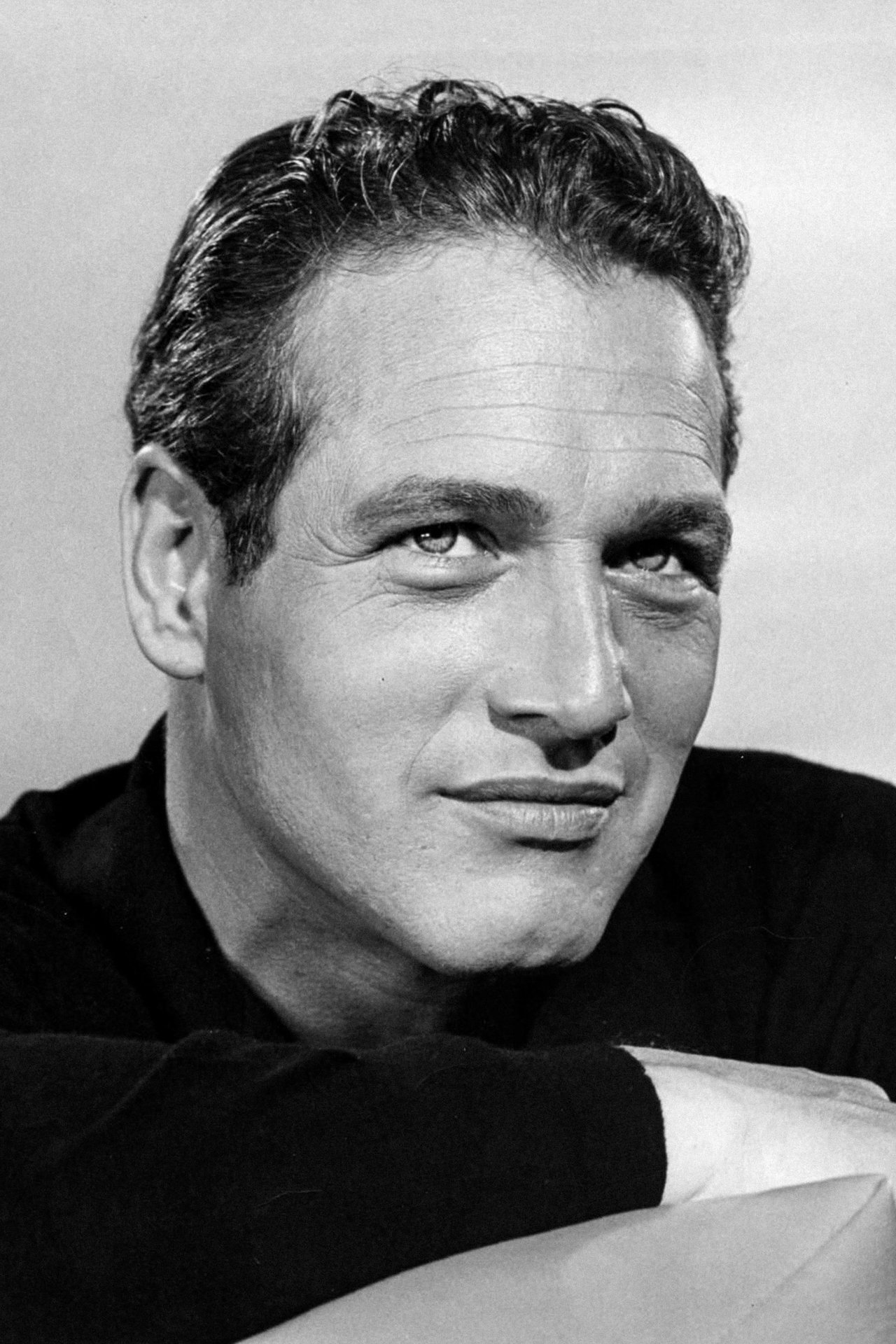
Rise to Fame
Paul Newman's film debut was such a disaster that he took out a full-page trade ad apologizing for The Silver Chalice. What saved him was James Dean's death. MGM had cast Dean in Somebody Up There Likes Me; when Dean died in 1955, Newman stepped into the role and delivered the breakout performance that finally got Hollywood to pay attention. Cat on a Hot Tin Roof (1958) confirmed the hunch, landing him his first Oscar nomination. From there, he built a run that included The Hustler, Cool Hand Luke, and Butch Cassidy, the kind of record that doesn't happen by accident.
In the Spotlight
His legacy split in two directions. On one side, the films, which age better than most: The Hustler and Cool Hand Luke still turn up in film classes and hold up on rewatch. On the other, Newman's Own, the salad dressing company he co-founded in 1982 and pledged all profits to charity, which had donated over $600 million by 2022. Most celebrities attach their name to a cause. Newman built the cause and let it outlast him. The man who raced cars until 82 brought the same stubbornness to his philanthropy.
Side Notes
He was color-blind, which didn't stop him from finishing 2nd overall at the 1979 24 Hours of Le Mans at 54. He co-founded Newman/Haas Racing in 1982, the IndyCar team that won 8 championships. His last professional race was at Watkins Glen in 2007, age 82, where he took the pole and finished 4th. He said afterward he wished he was 81 again. The racing career was serious enough that Lime Rock Park renamed a straight after him in 2022, fourteen years after he died.
Final Chapter
He kept his lung cancer diagnosis private until the end. Joanne Woodward, who initially didn't want to be in the room, returned at the last moment and held his feet as he took his last breath. Robert Redford said, 'There is a point where feelings go beyond words. I have lost a real friend.' Newman was named Most Generous Celebrity of 2008, having donated $20,857,000 that year. Newman's Own Foundation continued distributing all profits after his death.