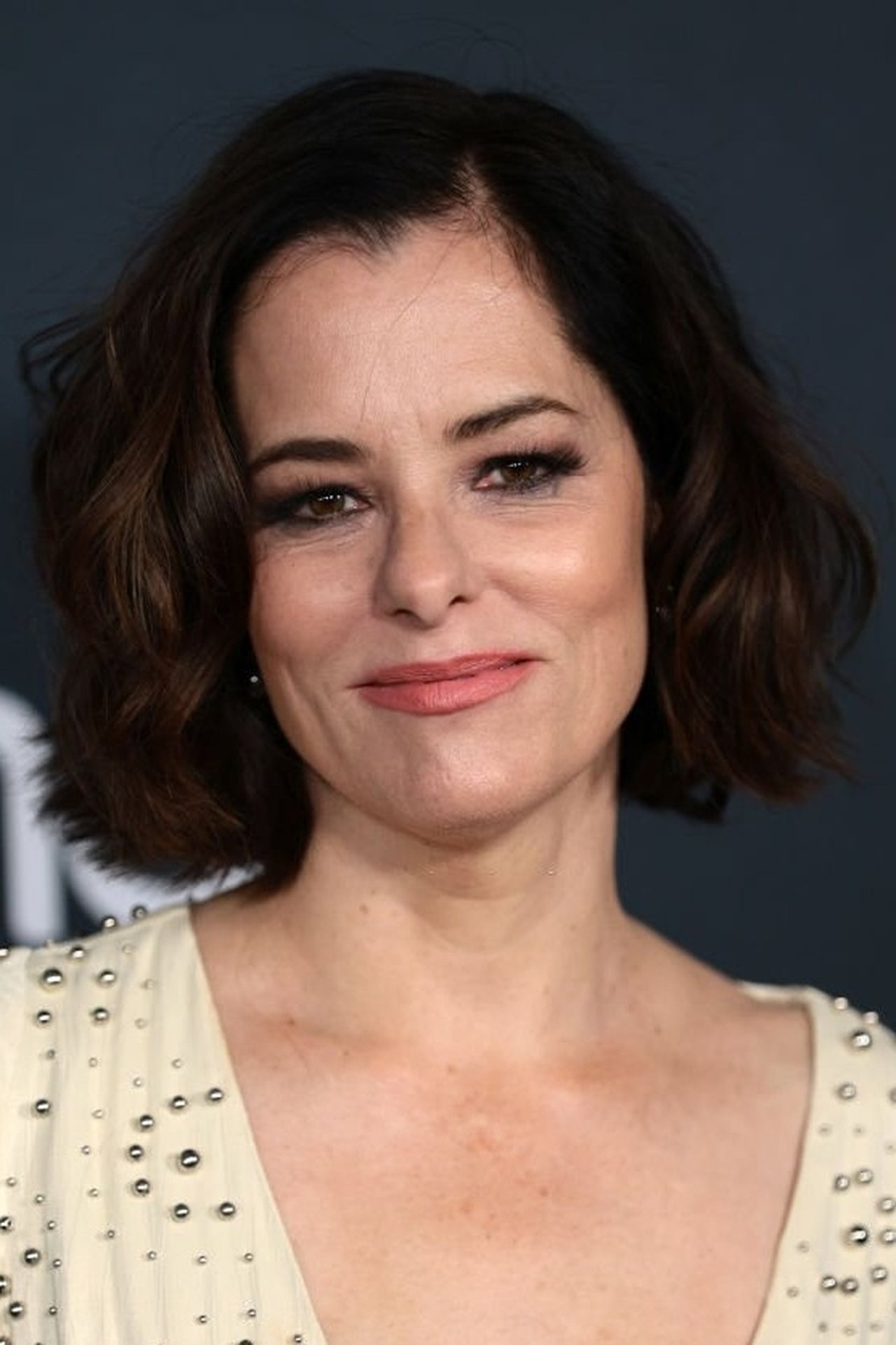
Thirty years of being too weird for Hollywood turned out to be the longest audition tape in indie film history.
At a glance
- Known for
- Queen of 1990s indie cinema, Christopher Guest mockumentaries, The White Lotus Season 3
- Before fame
- Left college weeks before graduation to take a soap opera role on As the World Turns
- Off-screen
- Named after 1950s supermodel Suzy Parker, has a fraternal twin brother who practices law in Atlanta
Rise to Fame
A $150,000 movie shot in 19 days made her famous. Party Girl was the first feature film to premiere online, streamed on June 3, 1995. She sat in a swivel chair at the launch and told viewers to still pay the $7.50. It grossed $472,370 theatrically. Ebert called it a showcase for someone who "obviously has the stuff."
By then she was already everywhere that mattered. She won a Special Jury Prize at Sundance in 1997 for The House of Yes, playing a woman who thinks she's Jackie Kennedy. That same year, Time crowned her "Queen of the Indies" after 32 independent films. The industry didn't build her. She just kept showing up until it couldn't ignore her.
In the Spotlight
Five Christopher Guest mockumentaries ran from Waiting for Guffman to Mascots. She played a Dairy Queen employee, a neurotic Weimaraner owner in Best in Show, improvised most of it. The ensemble split fees and profits equally.
Superman Returns grossed $391 million but didn't make her a franchise player. It took The White Lotus Season 3 to finally land the prestige moment. She's said she waited 20 years for a role like Victoria Ratliff, the lorazepam-dependent Southern housewife she built from her own Mississippi childhood. The performance made the wait look obvious in retrospect. Emmy and Golden Globe nominations followed. The industry just needed 30 years to catch up.
Side Notes
A Chevy dealership in Laurel, Mississippi, is a strange origin story for indie cinema's patron saint. Her father owned Posey Chevrolet. She left the South for SUNY Purchase, where her classmates included Stanley Tucci, Edie Falco, and Wesley Snipes, which is either a coincidence or proof that one drama program briefly cornered the market on American character acting.
Her 2018 memoir You're on an Airplane is structured as a conversation with a stranger in the next seat, full of collages she made by hand. It's the kind of book a person makes when they're not interested in explaining themselves. A Lyme disease diagnosis in 2009 pulled her off a New York stage. She sold her Greenwich Village co-op for $1.45 million and moved upstate. Privacy isn't a brand for her. It's the default setting.