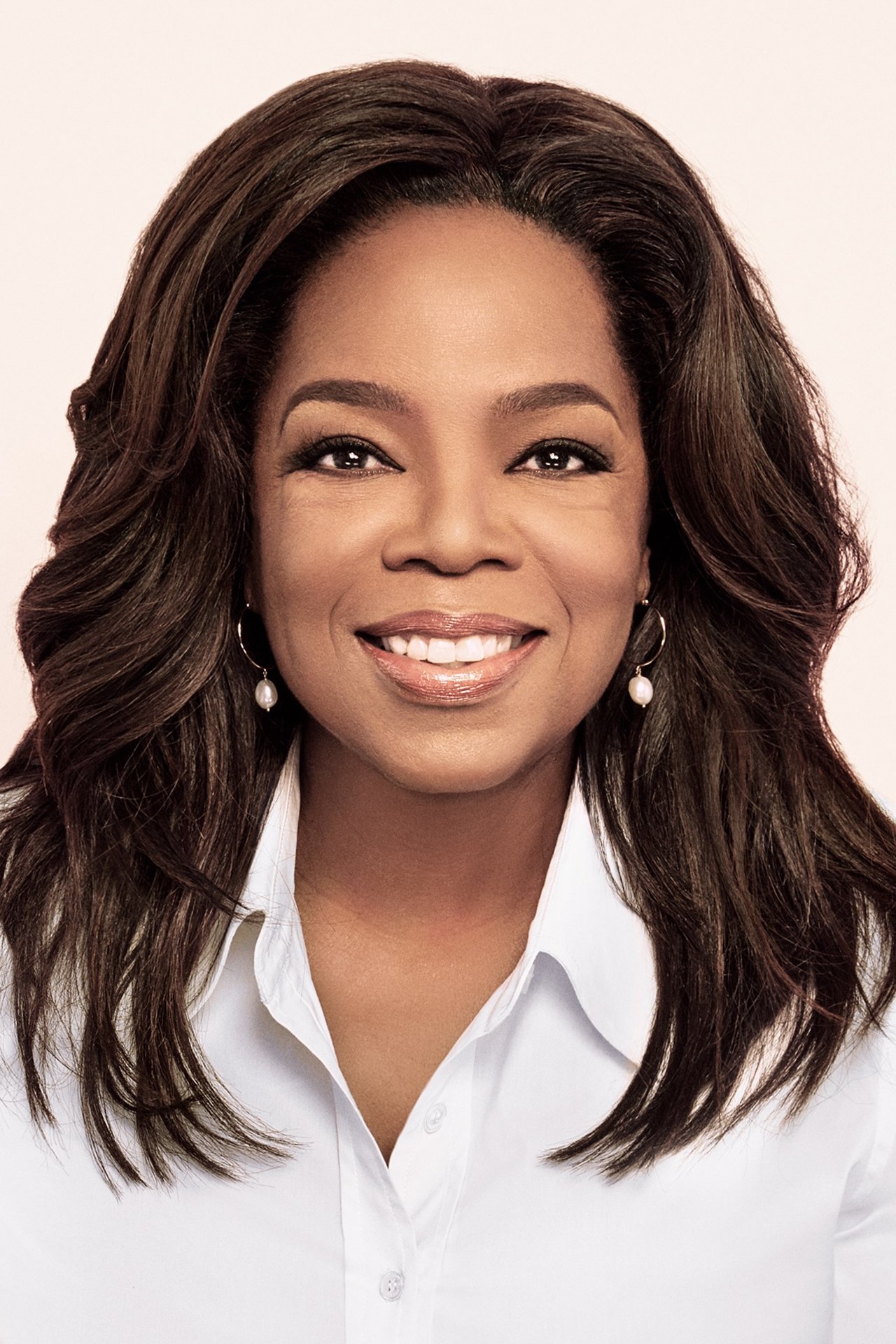
Rise to Fame
She moved to Chicago in 1984 to host a struggling morning show and beat Phil Donahue's ratings within a month. That wasn't luck. The Oprah Winfrey Show went national on September 8, 1986, under a King World syndication deal, and by 1988 she owned the studio outright. Harpo made her the third woman in American entertainment history to control production after Mary Pickford and Lucille Ball. She also got an Oscar nomination for Best Supporting Actress in The Color Purple along the way. The show ran 25 seasons, hitting 46 million weekly US viewers at its peak.
In the Spotlight
She's worth an estimated $3.2 billion (Forbes, 2026), and she didn't get there through the talk show. Her clearest business move: she put $43.2 million into Weight Watchers in 2015, collected roughly $221 million as spokesperson over nine years, then resigned from the board in 2024 when the company pivoted to GLP-1 weight-loss drugs. OWN sold most shares to Discovery Inc. in 2020 for over $36 million. In 2025, she pushed back publicly against viral conspiracy theories tying her to Sean Combs and Jeffrey Epstein, none of which held up. Buying in, cashing out, and avoiding the scandal is basically the playbook.
Side Notes
Her birth certificate says "Orpah," a figure from the Book of Ruth. People mispronounced it so consistently it became Oprah. "Harpo," her production company, is just that name spelled backwards. She grew up in deep poverty in rural Mississippi, wearing dresses made from potato sacks. Her broadcasting career started in 1971 when she won a Miss Fire Prevention contest sponsored by Nashville station WVOL and walked out with a job offer on the spot after a DJ there heard her read wire copy. Gum is still banned from all her offices, traced to a childhood memory of her grandmother leaving pieces around the house.