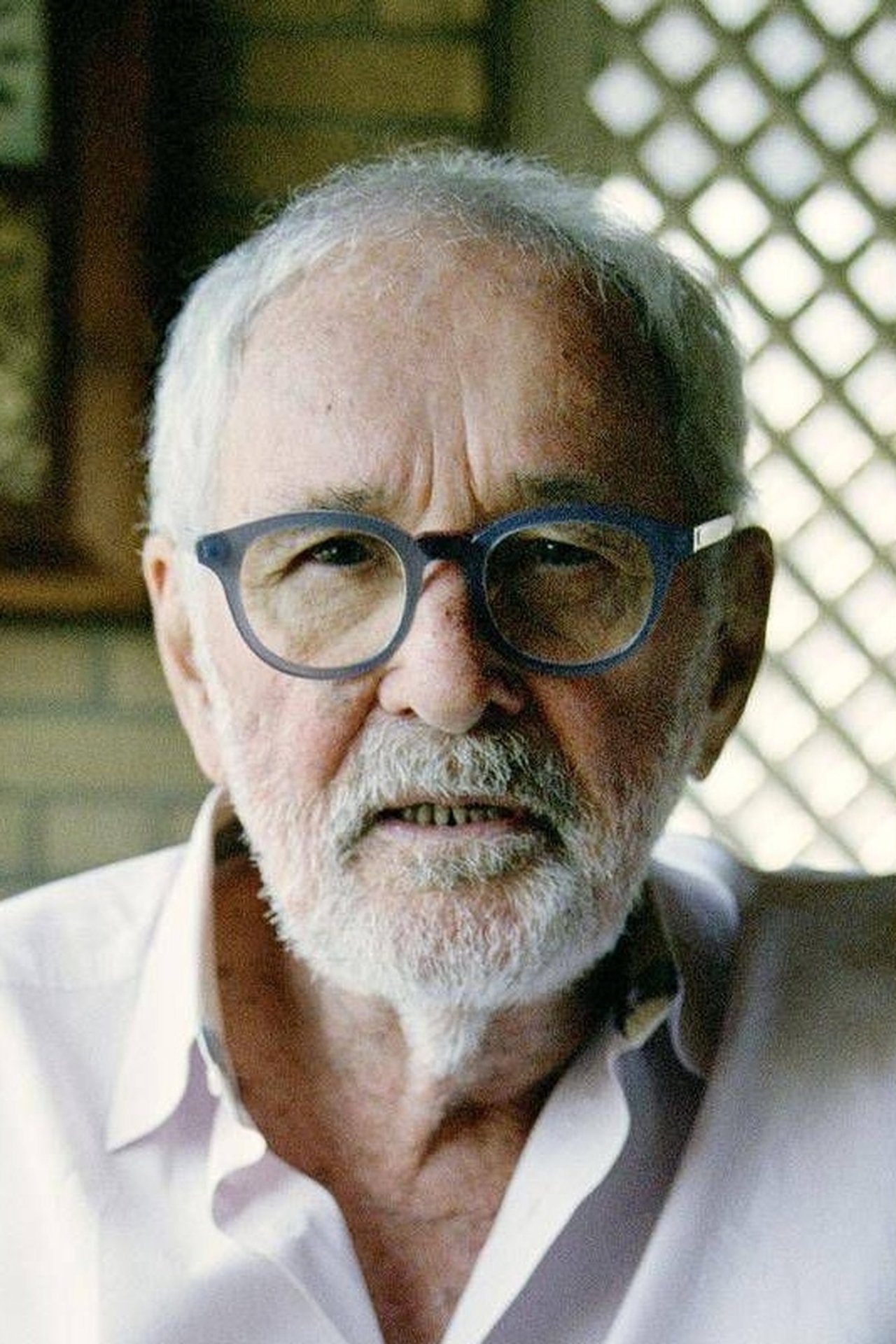
A Canadian Protestant made Hollywood's most pointed films about American racism and Jewish identity, and nobody thought to question the credentials.
At a glance
- Known for
- Director of *In the Heat of the Night*, *Fiddler on the Roof*, and *Moonstruck*
- Before fame
- Drove a cab in Toronto before working as an actor and writer at the BBC
- Off-screen
- Ran a 200-acre cattle farm in Ontario that supplied maple syrup to Williams-Sonoma
Rise to Fame
Television got him to Hollywood. He directed specials for Judy Garland and Harry Belafonte (the first TV special for a Black performer), won three Emmys, and crossed into features with light Doris Day comedies, breezy and profitable and pointing nowhere in particular.
In the Heat of the Night in 1967 was the film that defined him. He and Sidney Poitier received death threats, moved the production from Mississippi to Illinois, and shot the first scene in American cinema where a Black man hits a white man on screen. It won five Oscars including Best Picture. Jewison got a Best Director nomination but not the award, a pattern he'd repeat twice more over the next two decades.
In the Spotlight
Cher, Rod Steiger, and Olympia Dukakis all walked out of his sets with Oscars. His films collected 46 nominations and 12 wins. Three times the Academy nominated him for directing, once per decade across three straight decades. The actors won; the director got thanked.
He didn't stop making pointed films when they stopped being fashionable. A Soldier's Story happened because he offered to direct for no salary on a $5 million budget after every studio passed. It grossed $22 million. The Hurricane earned Denzel Washington a Golden Globe and an Oscar nomination in 1999. Jewison called it his best work. The Academy handed him the Thalberg lifetime achievement award that same year, which tells you how Hollywood categorized him: respected, never crowned.
Side Notes
A Protestant of English descent named Jewison who directed Fiddler on the Roof is the kind of irony Hollywood couldn't have scripted. When producers approached him, he asked, 'What if I told you I'm a goy?' They hired him anyway. He cast Chaim Topol over Zero Mostel, arguing that Mostel's personality would overwhelm the character on film.
His editor Hal Ashby learned to direct because Jewison pushed him and helped him land Harold and Maude. The Canadian Film Centre he founded in 1988 has turned out over 1,900 graduates. Between all of that, he bred Polled Hereford cattle on a 200-acre Ontario farm, because directing Sidney Poitier and running a maple syrup operation aren't mutually exclusive.
Final Chapter
Pinewood Toronto Studios named a sound stage in his honour. DGA President Lesli Linka Glatter called him 'a warrior and champion always ready to defend his fellow Directors.' The eulogies hadn't finished printing when his three children filed suit against his second wife, alleging she'd coerced him into signing a new will two months before his death that cut them out of an estimated $30 million estate. An Ontario court signed off on a settlement in January 2025. The estate, at least, is settled.