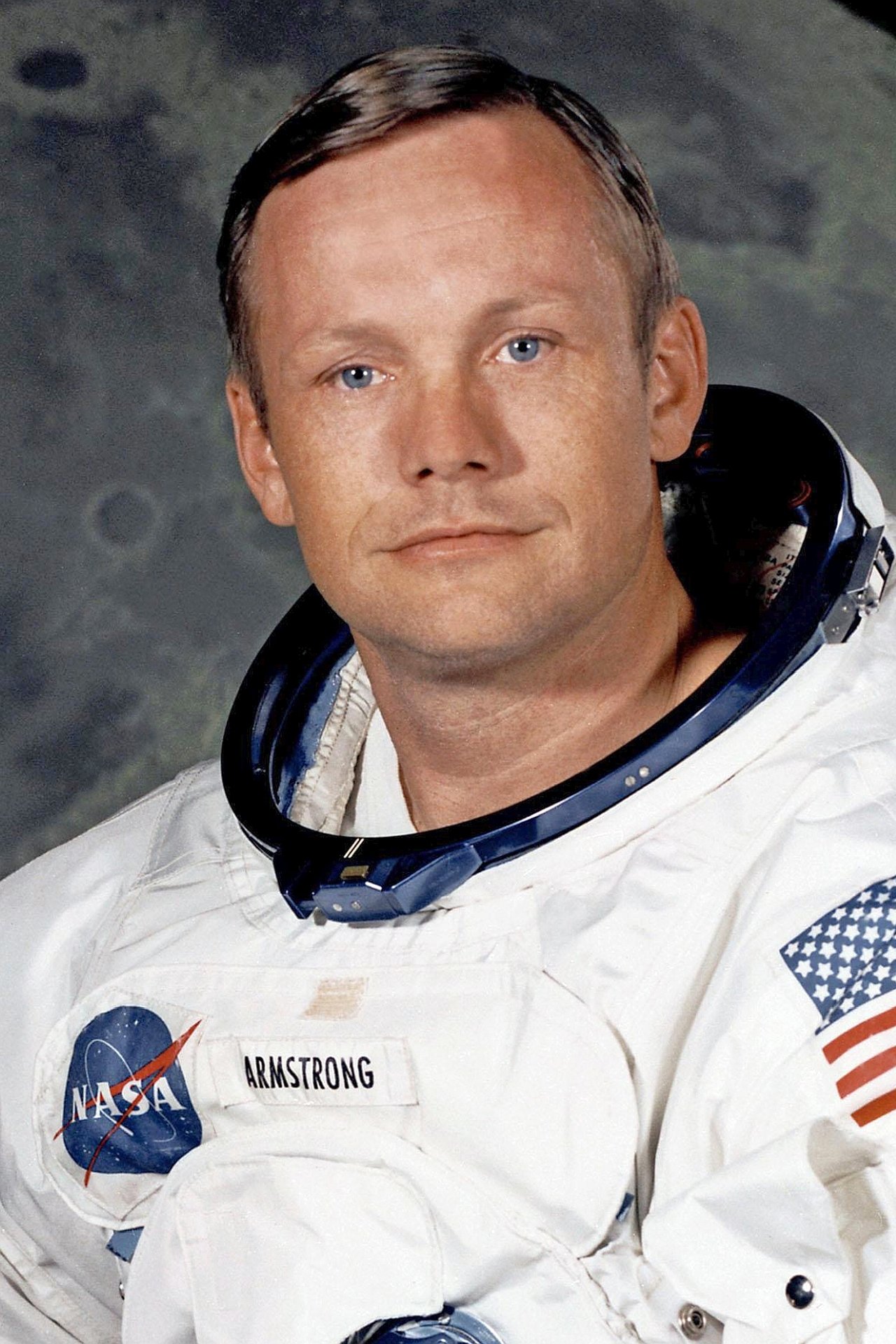
Walking on the Moon was the easy part. Spending 43 years refusing to sell that story was the real discipline.
At a glance
- Known for
- First person to walk on the Moon, Apollo 11 commander
- Before fame
- Had a pilot's license at 16, before he could legally drive
- Off-screen
- Sued Hallmark Cards and threatened his barber over unauthorized use of his name
Rise to Fame
A stuck thruster on Gemini VIII sent the capsule into a violent spin at one revolution per second. He shut down the orbital system, fired the reentry thrusters, burned 75% of the fuel reserve, and forced an emergency splashdown in the Pacific. That was 1966. Three years later, NASA handed him the Moon.
He'd flown 78 combat missions in Korea and tested the X-15 at nearly Mach 6. Michael Collins said he wasn't the best stick-and-rudder man in the group, but the best at understanding how the machine worked. He ejected from a lunar lander trainer half a second before it exploded and was reportedly back at his desk that afternoon. For everyone else, July 20, 1969 was the defining moment of the century. For him it was the flight plan working.
In the Spotlight
Two years after the Moon, he resigned from NASA and took a teaching job at the University of Cincinnati. Not a visiting lectureship. He taught core engineering courses and created two graduate-level courses. When the school pushed faculty collective bargaining, he walked.
The fame-avoidance was systematic. He sued Hallmark for putting his quote on a Christmas ornament without permission. When his barber sold hair clippings to a collector for $3,000, he threatened legal action until the buyer donated the money to charity. John Glenn said he "didn't feel that he should be out huckstering himself." That wasn't modesty. That was policy.
Side Notes
He did Chrysler ads, hosted a cable TV series, and gave interviews when he felt like it. The 'recluse' label was mostly wrong. He just wouldn't sell the moonwalk. Biographer Andrew Chaikin said people confused privacy with disappearance.
His daughter Karen died of a brain tumor at two, eight months before he applied to the astronaut program. First Man invented a scene of him leaving her bracelet on the lunar surface, but per biographer Jay Barbree, the real version was quieter: he reportedly named a small crater after her nickname.
Final Chapter
In 2014, investigators found a fatal routing error: the hospital sent him to a catheterization room to address post-surgical bleeding when he needed an operating room. The hospital paid $6 million in a wrongful death settlement that sat confidential for years before reporters found it.