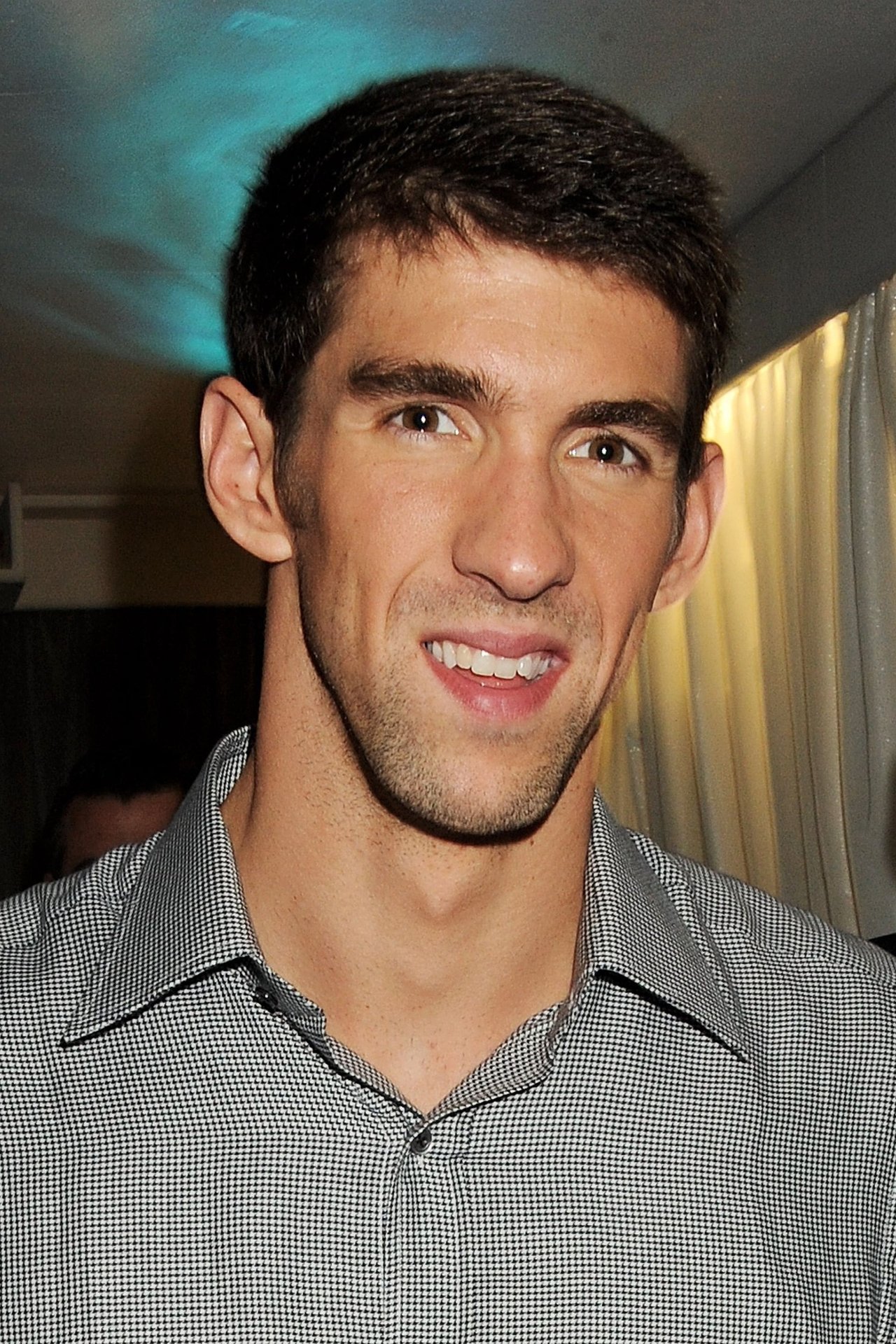
The pool gave him 23 golds. Surviving retirement without it nearly killed him.
At a glance
- Known for
- Most decorated Olympian in history, 23 golds across five Games
- Before fame
- ADHD kid from Baltimore who refused to put his face in the water
- Off-screen
- Mental health advocate who has spoken publicly about contemplating suicide
Rise to Fame
A kid with ADHD who couldn't sit still in class and refused to put his face in the water at age 7. His sisters swam. His mom put him in the pool. By 10 he held a national age-group record in the 100m butterfly. By 15 he was the youngest American male swimmer at an Olympics in 68 years.
Athens in 2004 brought six golds and two bronzes. Beijing in 2008 broke the one record everyone assumed was permanent: Mark Spitz's seven golds at a single Games. He won eight, with world records in seven events. The seventh gold came down to 0.01 seconds over Milorad Cavic in the 100m butterfly, a margin so thin it fooled the naked eye and triggered a Serbian protest that went nowhere. The sport has never quite known what to do with that week.
In the Spotlight
Twenty-eight medals and 23 golds across five Olympics. Those are numbers that look permanent. But what defines his retirement isn't the hardware. It's the fact that he almost didn't survive to collect it.
Depression hit after every Games, and after London 2012, he contemplated suicide. A second DUI in 2014 sent him to 45 days of inpatient treatment at The Meadows in Arizona. He talked about therapy and depression on the record, which athletes at his level rarely did. He's said saving a life matters more than any gold medal. He testified before Congress about Chinese swimmers doping, then called USA Swimming's men's performance 'pretty disappointing.' The pool still needs him, just not in it.
Side Notes
His body reads more like a spec sheet than a biography: 6'4" tall, a 6'7" wingspan, double-jointed ankles and chest, size 14 feet. Those proportions reportedly give him a water efficiency advantage no amount of training can replicate. He didn't just train harder. He showed up with equipment nobody else could order.
The ADHD that got him diagnosed in sixth grade and put on Ritalin turned out to be a feature. The kid couldn't sit still. The pool gave him somewhere to put all of it.