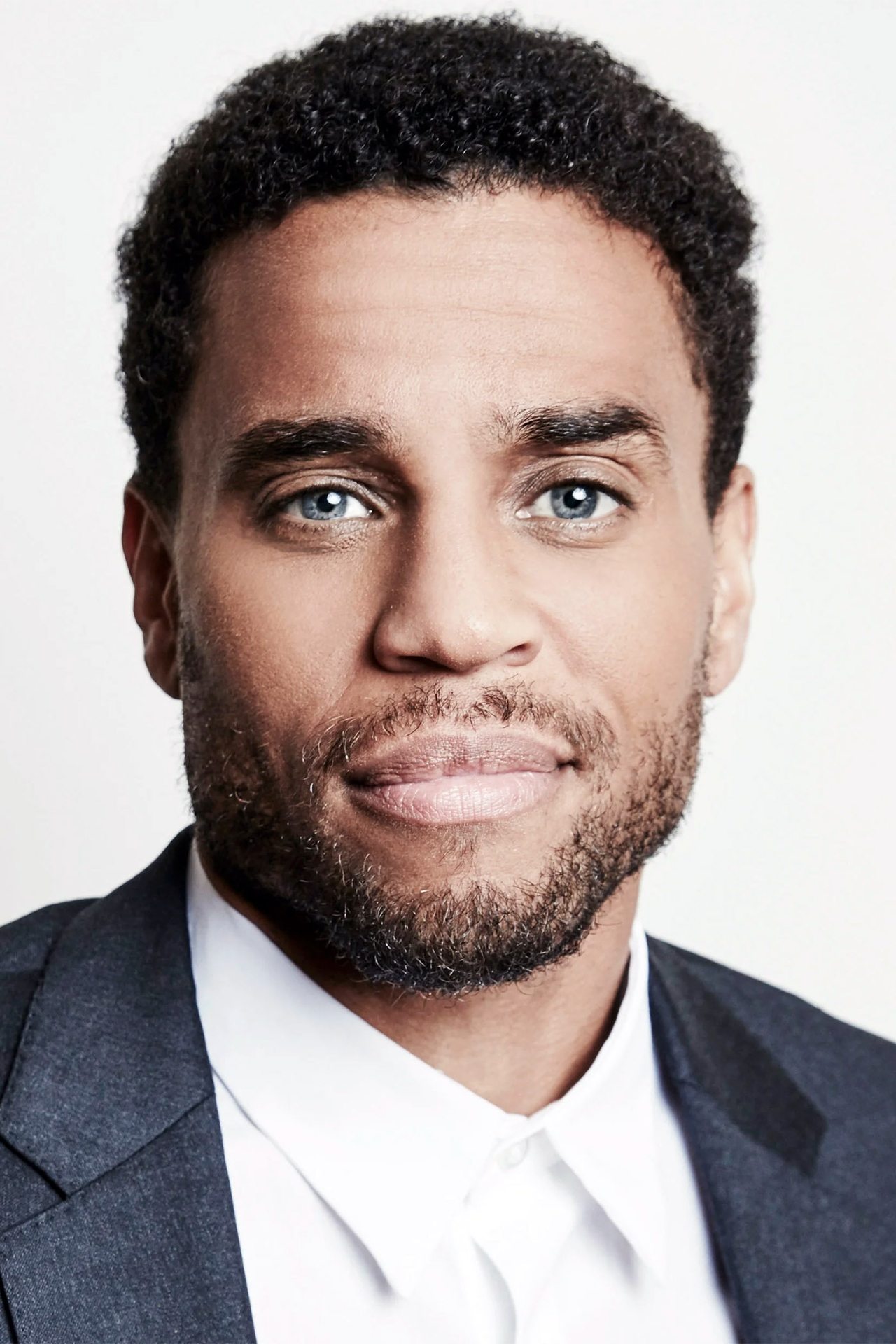
A romantic lead who'd rather play the villain, and his best work proves he's right.
At a glance
- Known for
- Barbershop, Think Like a Man, Sleeper Cell, The Perfect Guy
- Before fame
- Waited tables in New York for five years while doing Off-Broadway
- Off-screen
- Married to an Afghan refugee; kept his children's births secret from the public
Rise to Fame
An Off-Broadway basketball play had two different endings depending on whether he sank the buzzer shot. Five years of that in New York, waiting tables. Nobody was paying attention.
Then Barbershop happened. The 2002 ensemble comedy grossed $77 million. But the real career move came on television: Sleeper Cell on Showtime, where he played a Muslim FBI agent infiltrating a terrorist network. It earned him a Golden Globe nomination in 2006. Nobody calls a Golden Globe nominee the handsome guy in the ensemble anymore.
In the Spotlight
Think Like a Man knocked The Hunger Games off the No. 1 spot in 2012, pulling $33 million opening weekend on a $12 million budget. He executive produced The Perfect Guy in 2015, which opened No. 1 and grossed $60.3 million. Critics weren't fans. Audiences didn't care.
He's said he'd rather play a villain than a hero. The role he calls his most difficult is Beau Willie Brown in For Colored Girls, an abusive veteran who drops his children from a window. "Beau still sticks with me to this day," he's said. The pretty-boy label hasn't gone anywhere, but he keeps picking roles designed to complicate it.
Side Notes
Hollywood's obsession with his blue eyes has been a career-long conversation he didn't start and can't end. He kept both of his children's births secret, didn't announce his 2012 wedding for two months, and has said "if I'm being punished for keeping my life private and protecting my family, then this may not be the right business for me."
His wife Khatira Rafiqzada came to America at 12 as an Afghan refugee sponsored by Catholic Charities. When the Taliban retook Kabul in 2021, he wrote a public tribute to her. When the Muslim travel ban hit in 2017, he posted a rare photo of her with #NoMuslimBan. For a man who guards his personal life like a vault, the moments he opens it are deliberate and pointed.