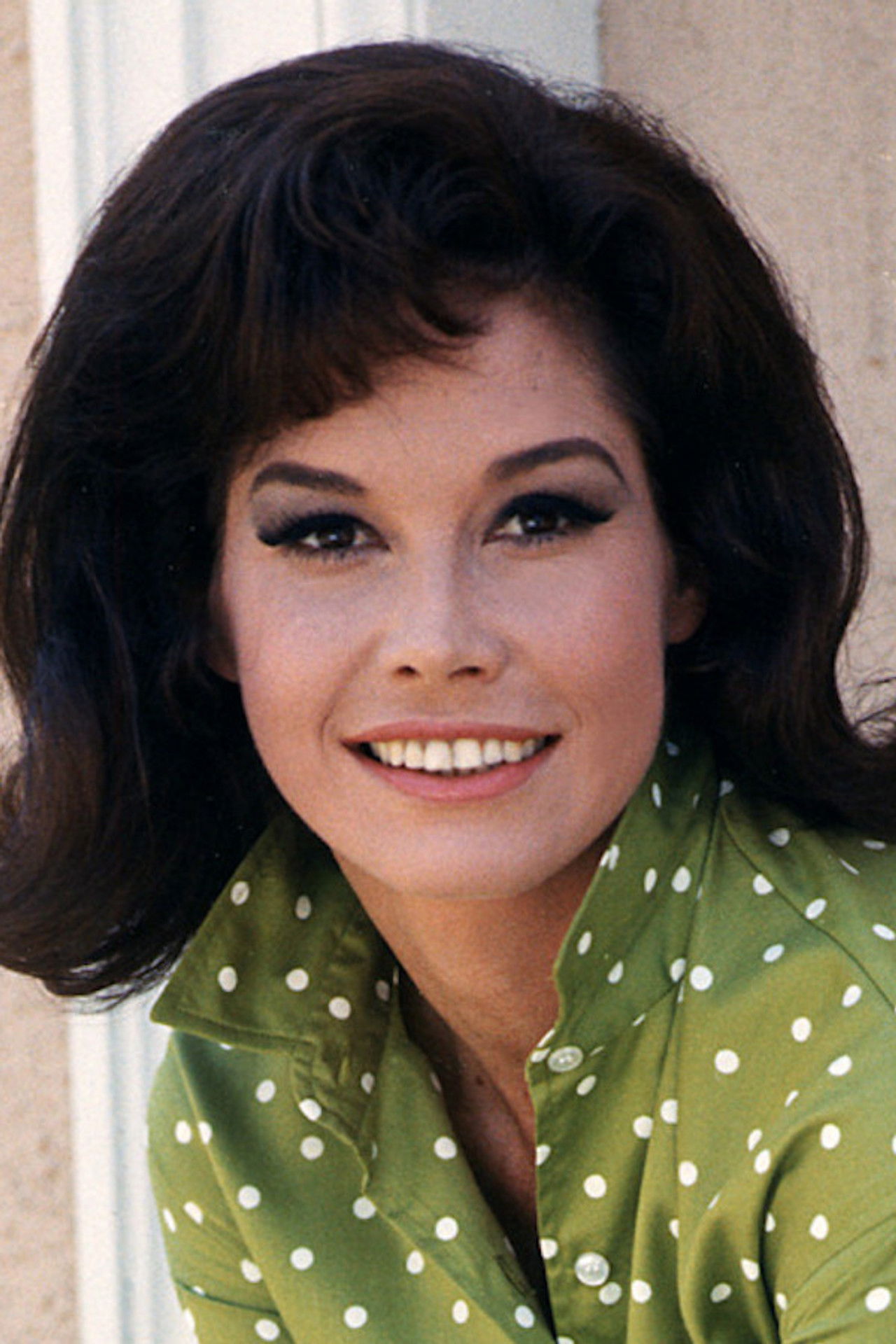
Rise to Fame
She almost skipped the audition for The Dick Van Dyke Show in 1961. Carl Reiner picked her over about 60 other auditioners, and Laura Petrie's capri pants became one of the most discussed fashion choices in early TV. The role threatened to define her as the wife in the background, so when the show ended, she and Van Dyke co-produced a 1969 CBS special designed specifically to prove she could carry her own material. CBS bit. The Mary Tyler Moore Show premiered in 1970, ran seven seasons, and won 29 Emmy Awards. Mary Richards was among the first prominent TV characters who was single by choice, not a widow or divorcee, and in 1970 that was genuinely subversive.
In the Spotlight
The Mary Tyler Moore Show's direct line of influence runs through Taxi, Cheers, and Friends, which tells you how far the template traveled. Her pivot to drama in Robert Redford's Ordinary People (1980) earned her an Oscar nomination for playing a mother so emotionally cold she made audiences squirm. She was better at drama than most people expected. She channeled a 1970 Type 1 diabetes diagnosis into decades of Congressional lobbying as International Chairman of the Juvenile Diabetes Research Foundation. A better use of celebrity than most.
Side Notes
Before anyone knew her face, they knew her legs. She played a secretary on Richard Diamond, Private Detective in 1959 where only her legs appeared on screen. The gig before that was the Hotpoint elf, dancing in appliance commercials on network TV. Her actual life and her TV persona ran in opposite directions for decades: she was battling alcoholism during both major shows, lost her 24-year-old son in a 1980 shotgun accident, and doctors diagnosed her with Type 1 diabetes the year her hit show launched. She checked into the Betty Ford Center in 1984 and didn't discuss any of it publicly until her 1995 memoir.
Final Chapter
Her representative Mara Buxbaum issued the official statement from Greenwich Hospital. Dick Van Dyke said she 'left an imprint on television comedy.' Carl Reiner called her 'a force of nature. She'll last forever, as long as there's television.' Ed Asner said 'a great lady I loved and owe so much has left us.' She was interred at Oak Lawn Cemetery in Fairfield, Connecticut, in a private ceremony.