Rise to Fame
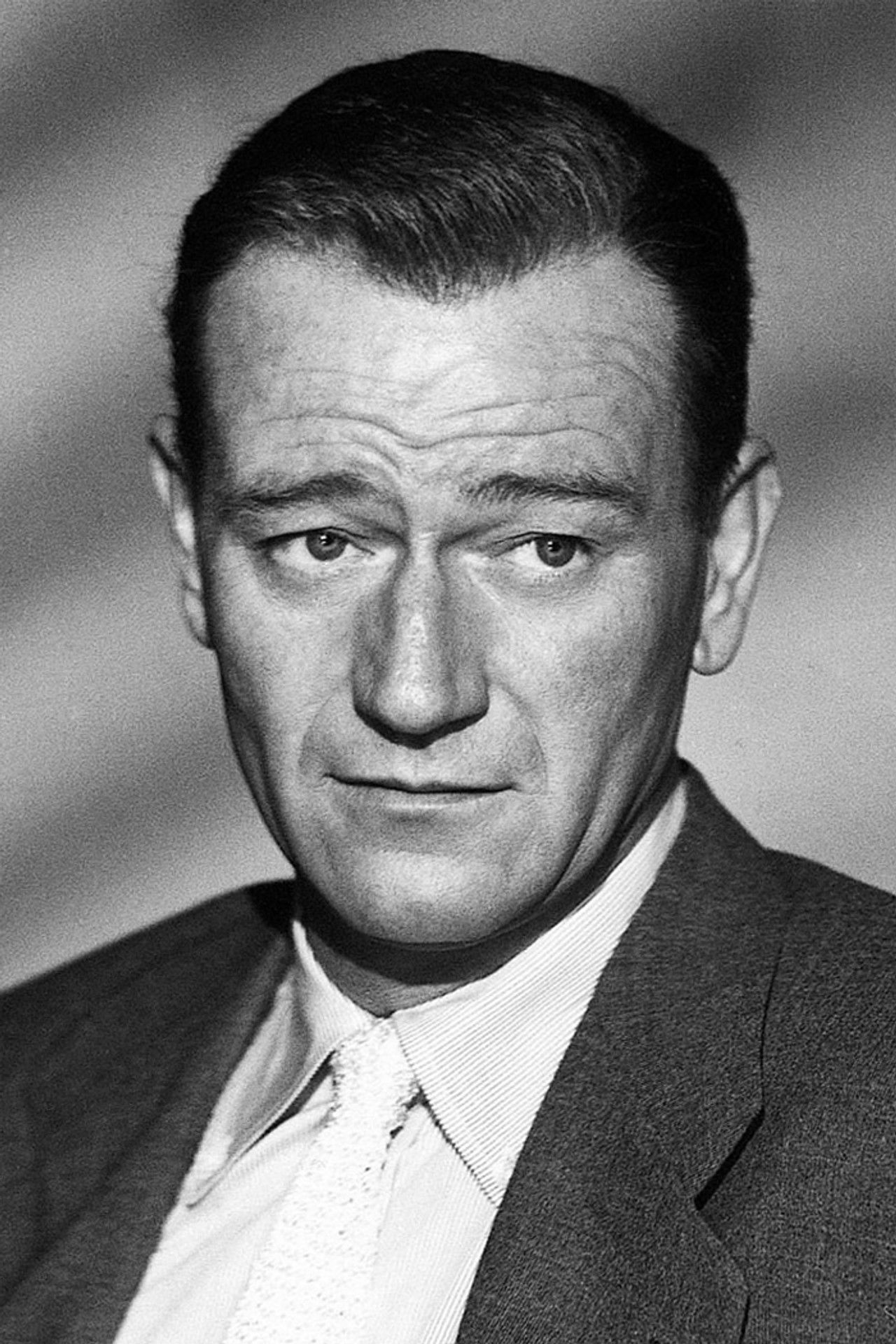
He spent the better part of a decade grinding through B-westerns at Poverty Row studios, roughly 80 of them, before John Ford decided he was his leading man. Ford couldn't get studio backing for Stagecoach because Wayne was considered a nobody with a Republic Pictures contract. The film opened in 1939 with Claire Trevor above his name on the poster. Ford introduced him with a slow dolly push that isolated him from the rest of the cast, a signal that this was different. The film got seven Oscar nominations. Orson Welles reportedly watched it more than 40 times while prepping Citizen Kane.
In the Spotlight
The 1971 Playboy interview is the problem. He told the magazine he believed in 'white supremacy until the blacks are educated to a point of responsibility' and said taking North America from Native Americans was 'just a matter of survival.' Those quotes went viral in 2019, Orange County Democrats passed a resolution to strip his name from the airport named after him, and USC removed his exhibit from the School of Cinematic Arts. The Board of Supervisors didn't act on the airport. He won his only Oscar in 1970 for True Grit and accepted it with a one-liner about the eye patch. The interview made sure that's no longer the only thing people remember.
Side Notes
He was born Marion Morrison, got the nickname Duke from his childhood dog, and built his whole image on a kind of courage he never had to prove. Hollywood's definitive war hero sat out World War II. He had a family deferment, Republic Pictures filed a studio exemption arguing his screen value outweighed his service, and he was reportedly rejected when he tried to enlist anyway (a back injury from USC football). John Ford, then a Navy Commander, berated him for it. His third wife said he spent the rest of his life trying to atone for staying home.
Final Chapter
He made his final public appearance at the Academy Awards on April 9, 1979, to present Best Picture and received a standing ovation from the audience. Congress awarded him the Congressional Gold Medal on his 72nd birthday, two weeks before he died. He was received into the Catholic Church shortly before his death on June 11. His grave at Pacific View Memorial Park sat unmarked for 20 years before a marker bearing his requested epitaph was finally added in 1999.