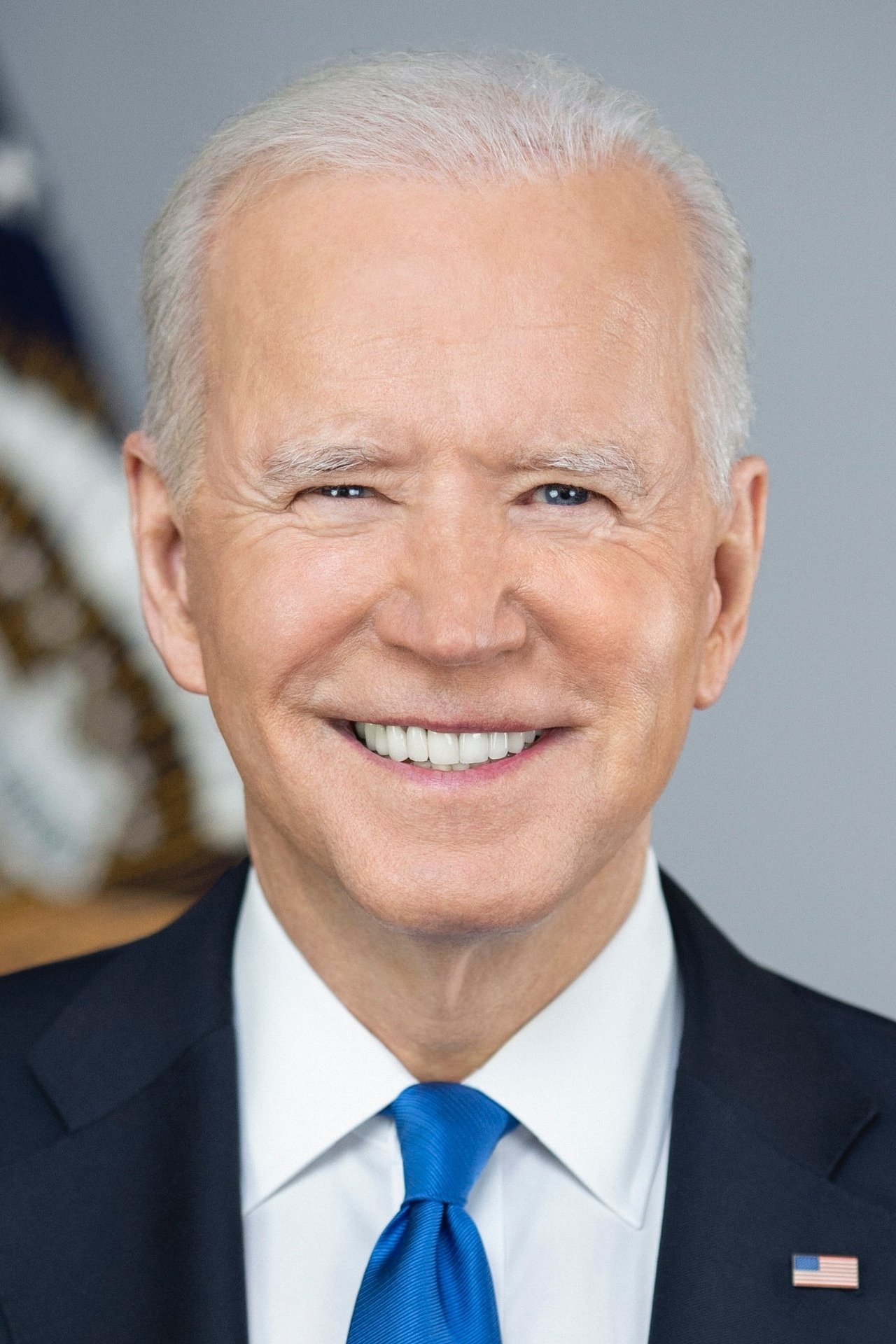
Rise to Fame
Running virtually alone against a Republican incumbent in 1972, Biden won a Senate seat at 29 on almost no money, staffed largely by family. Weeks later, his wife and infant daughter were killed when a truck hit their station wagon. He was sworn into the Senate at the hospital bedside where his sons were recovering. That pairing of political ambition and catastrophic personal loss became the frame for everything that followed. Thirty-six years of daily Amtrak commutes, two failed presidential runs, and eight years as Obama's VP later, he reached the White House at 78.
In the Spotlight
The June 2024 debate was the moment the rest of America caught up with what Democratic insiders had apparently known for months. He blanked mid-sentence on national television, and 71% of his own supporters told pollsters they'd replace both him and Trump if they could. He withdrew from the race 24 days later, endorsed Harris, and watched her lose. Now 83 and out of office, he's been diagnosed with aggressive prostate cancer that spread to his bones. A 2025 book by CNN's Jake Tapper and Alex Thompson reported he couldn't recall names of top aides in his final two years. The legacy conversation is not going well.
Side Notes
After dropping out of his first presidential campaign in 1988 over a plagiarism scandal, Biden collapsed in a hotel room with a brain aneurysm. Doctors called a priest to deliver last rites; Jill arrived and demanded he leave. He survived two aneurysms and missed seven months of Congress. He proposed to Jill five times before she accepted, and carries Beau's rosary in his pocket every day. The personal tragedies piled up so reliably that a close adviser once called him simultaneously the luckiest and unluckiest person they knew.