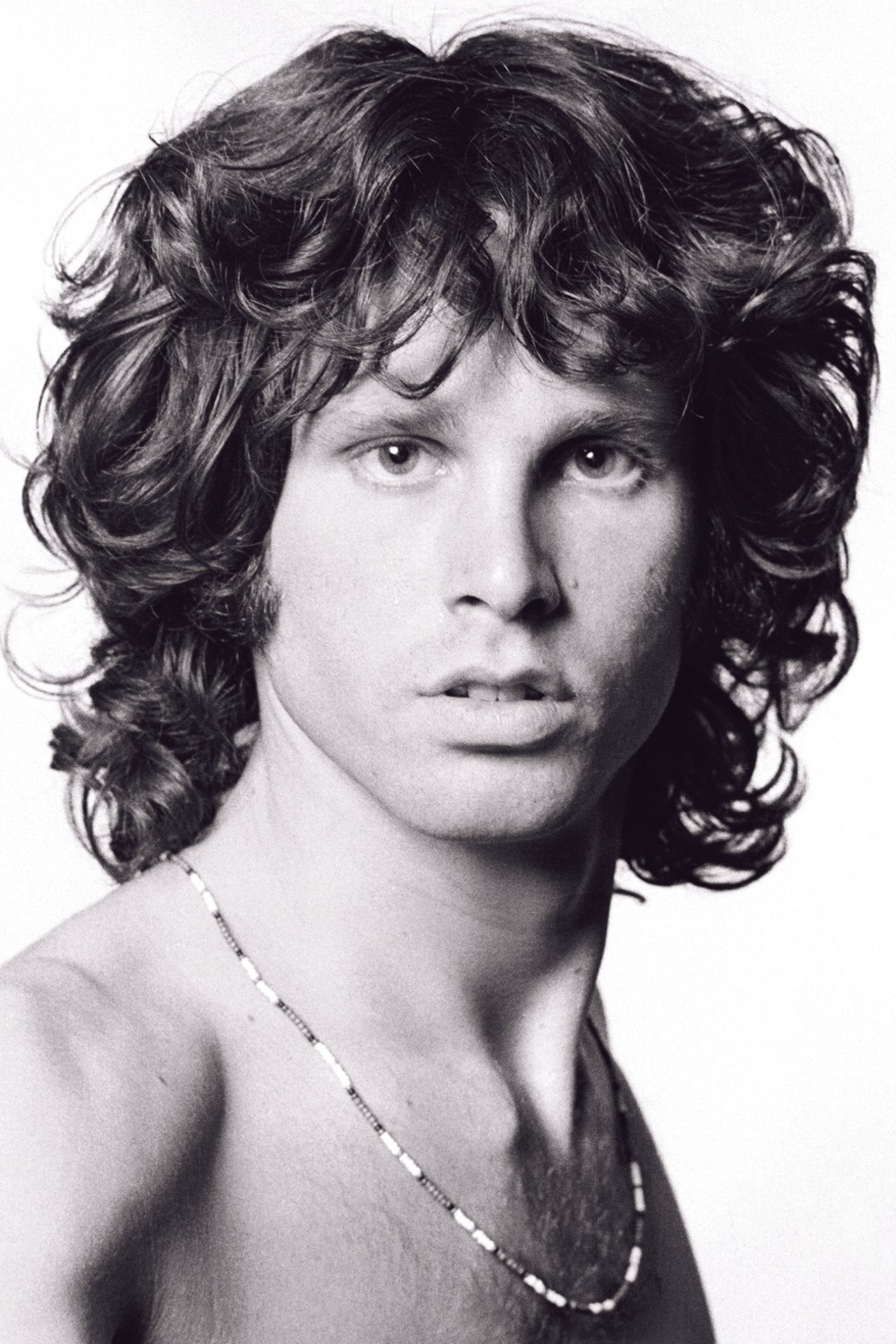
Rise to Fame
On Venice Beach in 1965, Ray Manzarek heard Morrison reciting poetry and immediately asked him to form a band. The concept was the pitch: a rock group where the lyrics were the main event. When "Light My Fire" hit number one in 1967, the Ed Sullivan Show incident sealed the mythology. Morrison agreed to cut the word "higher" from the song for broadcast, then performed it anyway. Sullivan canceled six planned appearances. The defiance became the brand.
In the Spotlight
Over 100 million albums sold worldwide, and the grave at Pere Lachaise still draws visitors like a shrine. The Doors debut was added to the US Library of Congress National Recording Registry in 2014 as culturally significant. He got into the Rock and Roll Hall of Fame in 1993 and a Grammy Lifetime Achievement Award in 2007, both posthumously, which says something about how long the industry took to catch up. The unresolved mystery around his death keeps the myth running as much as the music does.
Side Notes
His father was a rear admiral in the Navy who wrote him a letter saying he had a "complete lack of talent" as a musician. Morrison's response was to tell people his parents were dead. When he actually died in Paris, his girlfriend told the American Embassy he had no immediate family, which is how he ended up buried before his parents even knew. He'd been reading 16th and 17th-century demonology texts in high school while his English teacher suspected him of inventing books.
Final Chapter
Manager Bill Siddons waited six days to inform the press. His girlfriend Pamela Courson told the American Embassy that Morrison had no immediate family, enabling a quiet burial at Pere Lachaise on July 7, 1971 before his parents were notified. No autopsy was performed under French law. The Doors continued without him, releasing two more studio albums before splitting in 1973. The Oliver Stone biopic The Doors, starring Val Kilmer, arrived in 1991.