Rise to Fame
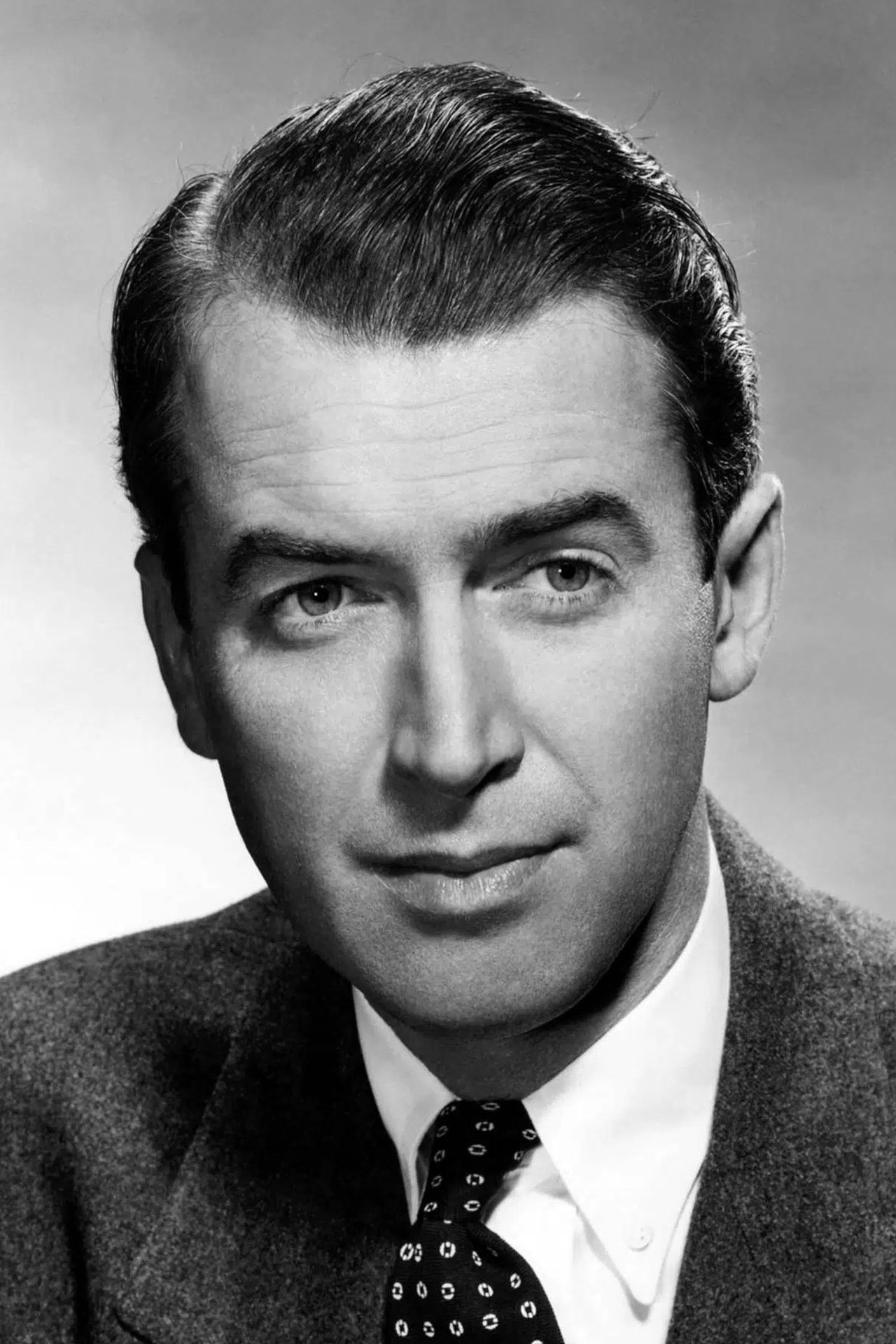
The plan was always to take over his father's hardware store in Indiana, Pennsylvania. Architecture school at Princeton happened instead, then Broadway, then Hollywood in 1935 when he followed Henry Fonda west looking for work. Frank Capra's films built the brand: the slow drawl, the gangly stumble toward decency. Mr. Smith Goes to Washington earned him an Oscar nomination in 1939. The Philadelphia Story won him the trophy the following year. Three weeks later, he enlisted in the Army.
In the Spotlight
His enduring reputation rests on an accidental masterpiece. Vertigo bombed in 1958, and Hitchcock blamed Stewart for looking too old, then cast Cary Grant in North by Northwest instead. Grant was four years older. Decades of reassessment later, Vertigo sits second on Sight & Sound's greatest films list. Stewart also quietly reshuffled how Hollywood worked: he was one of the first stars to negotiate independently, trading salary for profit participation, and the model stuck.
Side Notes
The folksy everyman persona was always a partial fiction. He was the first major Hollywood star to enlist before Pearl Harbor, and the Army initially rejected him for being five pounds underweight. He ate his way to qualify. He flew more than 20 combat missions over Germany in B-24s and rose to brigadier general. His son Ronald was killed in Vietnam. He rarely discussed the war, not even with his own children.
Final Chapter
His wife Gloria died of lung cancer in February 1994, and he became increasingly reclusive afterward. In 1996, he declined to have his pacemaker battery replaced. He died at home in Beverly Hills on July 2, 1997. Kim Novak said he 'taught me it was possible to remain who you are.' The AFI named him the third-greatest male screen legend in 1999.