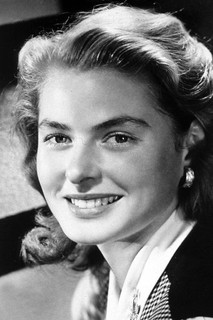
Rise to Fame
David O. Selznick told her to change her name, cap her teeth, and pluck her eyebrows. She said she'd rather go back to Sweden. She arrived in Hollywood with no stage name, no heavy makeup, and an inch on Humphrey Bogart. Casablanca made her famous, but Gaslight made her serious. She won her first Oscar in 1945 for playing a woman driven to madness so convincingly the role gave English a new verb. She became one of the biggest names in Hollywood without changing a single thing Selznick asked her to.
In the Spotlight
She wrote a fan letter to Roberto Rossellini and it cost her everything. The affair while still married, the pregnancy, the baby born before the divorce was final. Senator Edwin Johnson called her "a horrible example of womanhood" on the floor of the Senate. Hollywood banned her for six years. She made uncommercial art films in Italy with Rossellini while America pretended she didn't exist. Then Anastasia in 1956 won her a second Oscar, because talent outlasts outrage. She later said she'd gone "from saint to whore and back to saint again, all in one lifetime." Senator Charles Percy formally apologized on the Senate floor in 1972. She didn't need it by then.
Side Notes
Her last meeting with Alfred Hitchcock was pure Bergman. He was in tears, terrified of dying. She, already dying of cancer herself, told him, "We are all going to die, Hitch." He reportedly found it comforting. She'd had practice. Mother dead when she was two, father at thirteen, the aunt who took her in dead six months after that.
Final Chapter
Leonard Nimoy said she spent the entire shoot of A Woman Called Golda hiding a badly swollen arm and refusing to let the pain affect her work. She played Golda Meir and won a posthumous Emmy for it. Her daughter Pia accepted on her behalf. The family cremated her privately, scattered most of her ashes at sea, and interred the remainder in her parents' grave at Norra Begravningsplatsen, just outside Stockholm. She had outlived them both before she was a teenager.