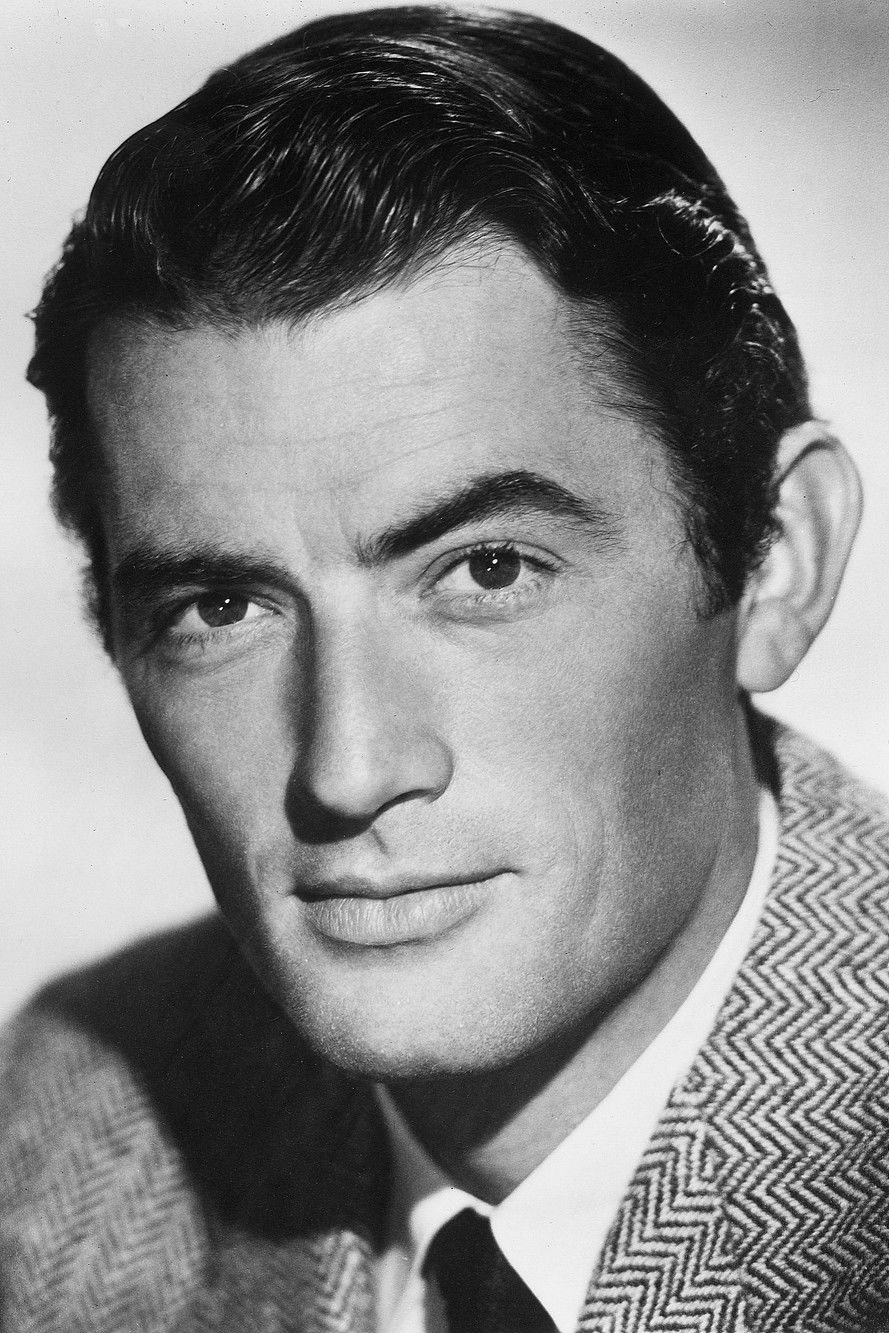
Rise to Fame
He got into acting by accident, talked into a part in a Moby Dick adaptation at UC Berkeley by a director who spotted him on campus. What followed was four Oscar nominations in his first five years in Hollywood, before most actors had figured out how to play one role convincingly. To Kill a Mockingbird (1962) was the lock-in. He won Best Actor, and Harper Lee said 'Atticus Finch gave Gregory Peck an opportunity to play himself.' That line tells you everything about how the role fit him.
In the Spotlight
His reputation outlasted his box office. He spent the early 1970s in a career slump before The Omen (1976) brought him back. In the meantime, he'd been playing Hollywood's conscience, serving as Academy President, serving as Founding Chairman of the American Film Institute, and landing on Nixon's enemies list for political activism he never walked back. On June 4, 2003, the AFI announced that Atticus Finch was the greatest film hero in cinema history. Peck died eight days later.
Side Notes
Being on Nixon's enemies list wasn't a scandal for Peck, it was the natural outcome of a career spent refusing to play along. He challenged the House Un-American Activities Committee in 1947 when doing so carried real professional risk. He turned down requests to run for political office. He held simultaneous contracts with four studios rather than signing exclusively with any one of them. His son said he 'didn't take a single job for the money.'
Final Chapter
Cardinal Roger Mahony presided over a public memorial at the Cathedral of Our Lady of the Angels in Los Angeles. Brock Peters, who played Tom Robinson opposite him in To Kill a Mockingbird, delivered the eulogy. Steven Spielberg called him 'the reigning father of the actor.' The US Postal Service issued a commemorative stamp in 2011, the 17th in the 'Legends of Hollywood' series.