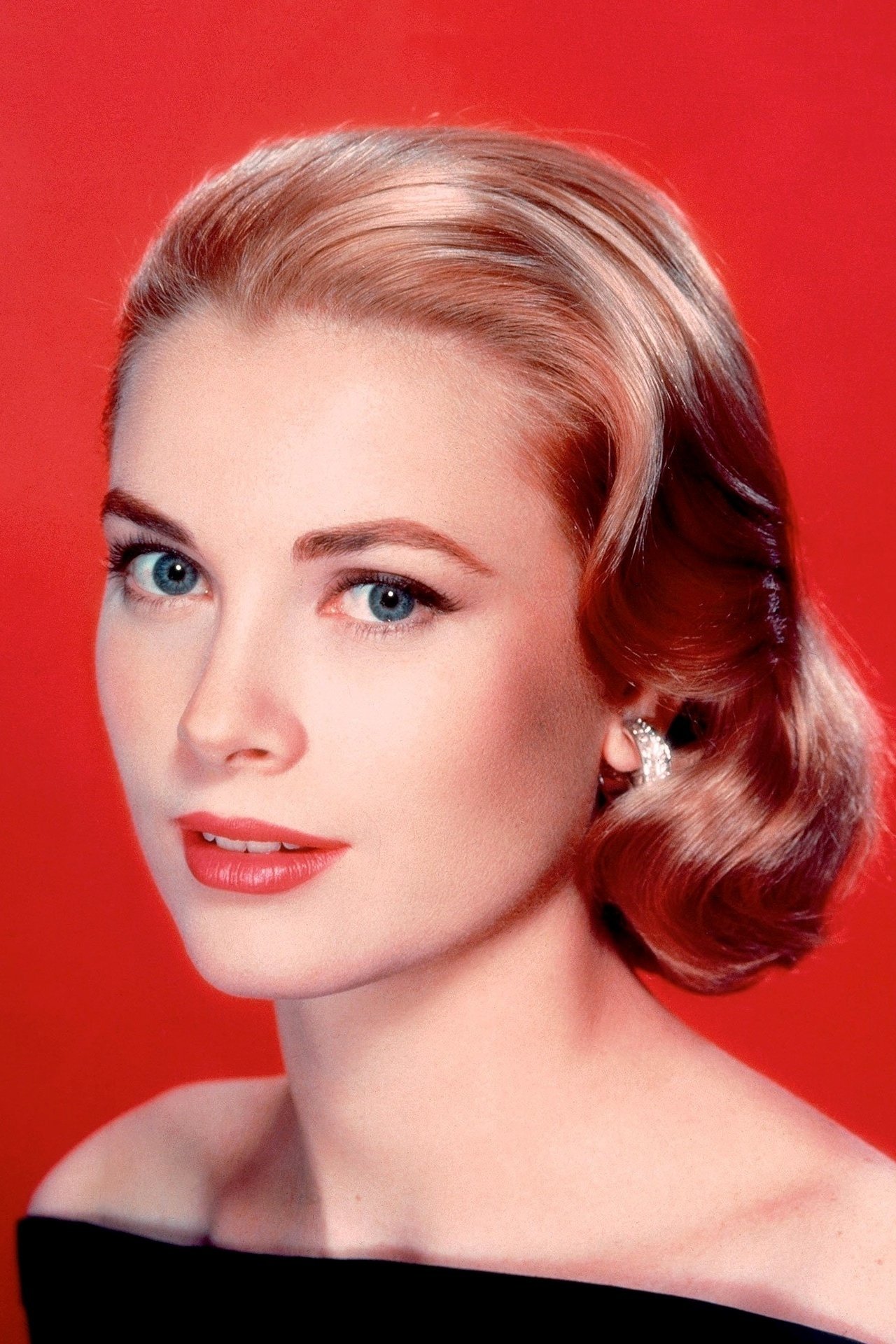
Rise to Fame
She quit Hollywood at 26 to become a real princess, and that's either the most romantic career decision or the most wasteful one, depending on how you feel about the three Alfred Hitchcock films she walked away from. The five years before it were brutally efficient: one Oscar (for The Country Girl in 1955), three Alfred Hitchcock collaborations. She paid her own way through drama school by modeling at $400 a week after her family refused to fund her acting ambitions. Alfred Hitchcock called her 'sexual elegance' and spent years trying to find her replacement. He didn't.
In the Spotlight
More than six decades after she quit acting, the Alfred Hitchcock films are what most people still care about. The Princess Grace Foundation-USA has awarded over $16 million to emerging theater, dance, and film artists since her death, which is a sizable legacy. But people remember her for quitting, not for what she did when she stopped. That's either a tragedy or proof that three Alfred Hitchcock films can outweigh 26 years of anything else.
Side Notes
The Henley Royal Regatta turned her father Jack Kelly away in 1920 because he'd worked as a bricklayer, which disqualified him by British standards. He won two gold medals that year instead, and added a third at the 1924 Paris Games. Her uncle George Kelly was a Pulitzer Prize-winning playwright; her other uncle Walter was a vaudeville star. The family produced performers for two generations and disapproved of Grace becoming one. Prince Albert bought her childhood Philadelphia home in 2016 for $754,000 and had it restored for family use.
Final Chapter
Her funeral on September 18, 1982 drew Nancy Reagan (leading the American delegation) and Princess Diana (representing Queen Elizabeth II), with an estimated 26,000 people lining Monaco's streets. 100 million people watched on television. Princess Stephanie, 17, was still recovering from a neck fracture and couldn't attend. Prince Rainier never remarried and died in 2005.