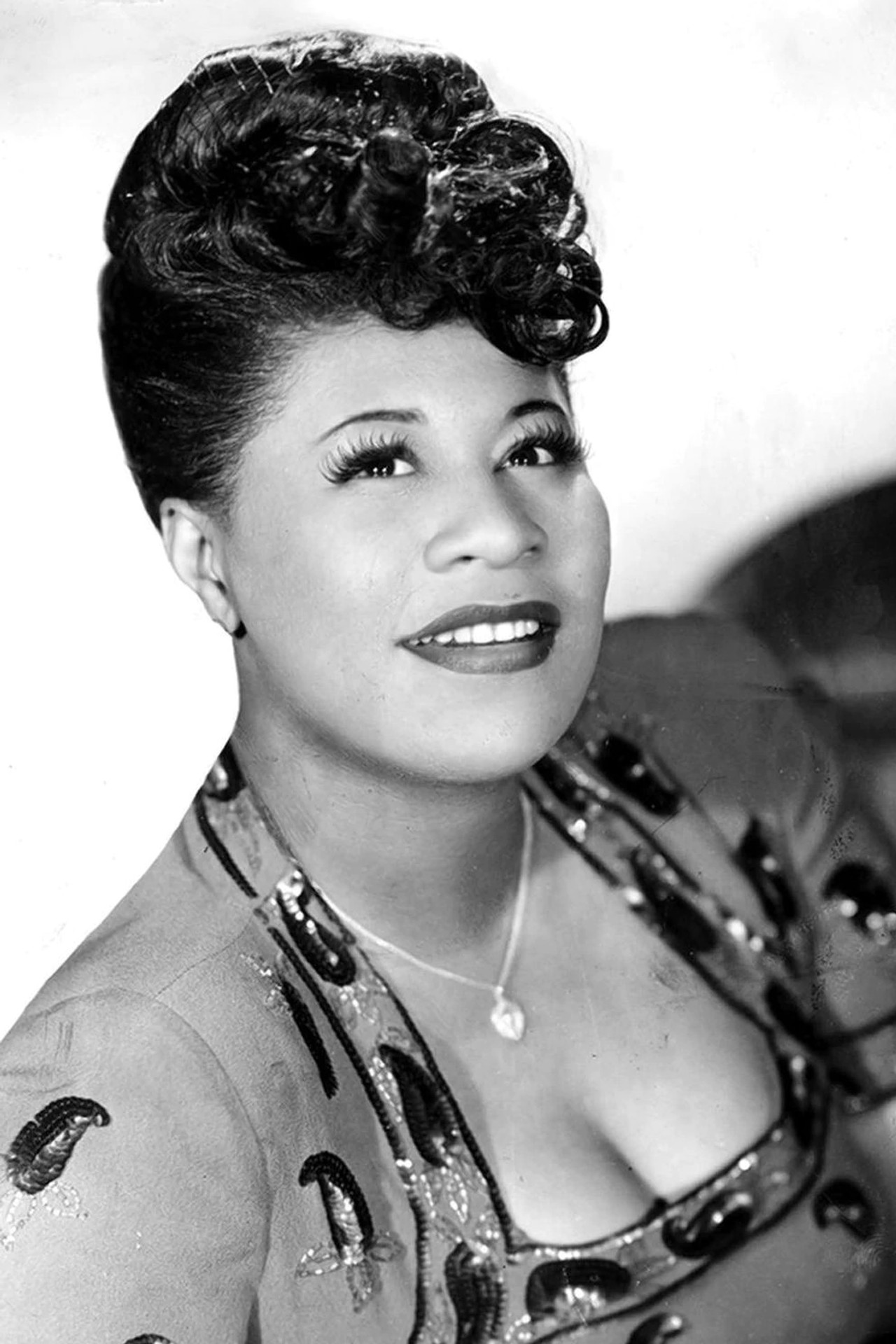
Rise to Fame
She walked into the Apollo Amateur Night in 1934 planning to dance. Changed her mind at the last second, too embarrassed by her worn-out boots to go onstage next to the other dancers. So she sang instead, and the audience went so loud the judges had no choice. Chick Webb heard about it and signed her within a few months. By 1938, A-Tisket, A-Tasket had sold a million copies and sat on the pop charts for 17 weeks. She was 21.
In the Spotlight
Between 1956 and 1964, she recorded 8 Songbook albums covering over 240 songs by composers including Gershwin, Porter, Ellington, and Berlin. The jazz critics who wanted to dismiss pop couldn't dismiss those records, and the pop audiences who'd written off jazz couldn't either. She won 13 Grammys, was the first Black woman to win one in 1958, and received the Presidential Medal of Freedom in 1992. The voice outlasted every era it touched.
Side Notes
Before the Apollo, she was homeless. Her mother died when she was 15, her stepfather allegedly abused her, and she ended up running errands for a numbers runner until authorities picked her up and placed her in a state reformatory in upstate New York, where a government investigation found Black girls were routinely beaten. She ran away and survived on the streets. Then there's the Marilyn Monroe story: in 1955, Monroe personally lobbied the Mocambo nightclub to book Ella, who the club hadn't deemed glamorous enough for their crowd. Monroe promised to sit front row every night. It worked.
Final Chapter
She spent her last days at her Beverly Hills home, confined to a wheelchair. The Playboy Jazz Festival at the Hollywood Bowl opened hours later; the marquee read "Ella, We Will Miss You." Dee Dee Bridgewater recorded Dear Ella the following year with Ray Brown. The US Postal Service issued a commemorative stamp in 2007 on what would have been her 90th birthday.