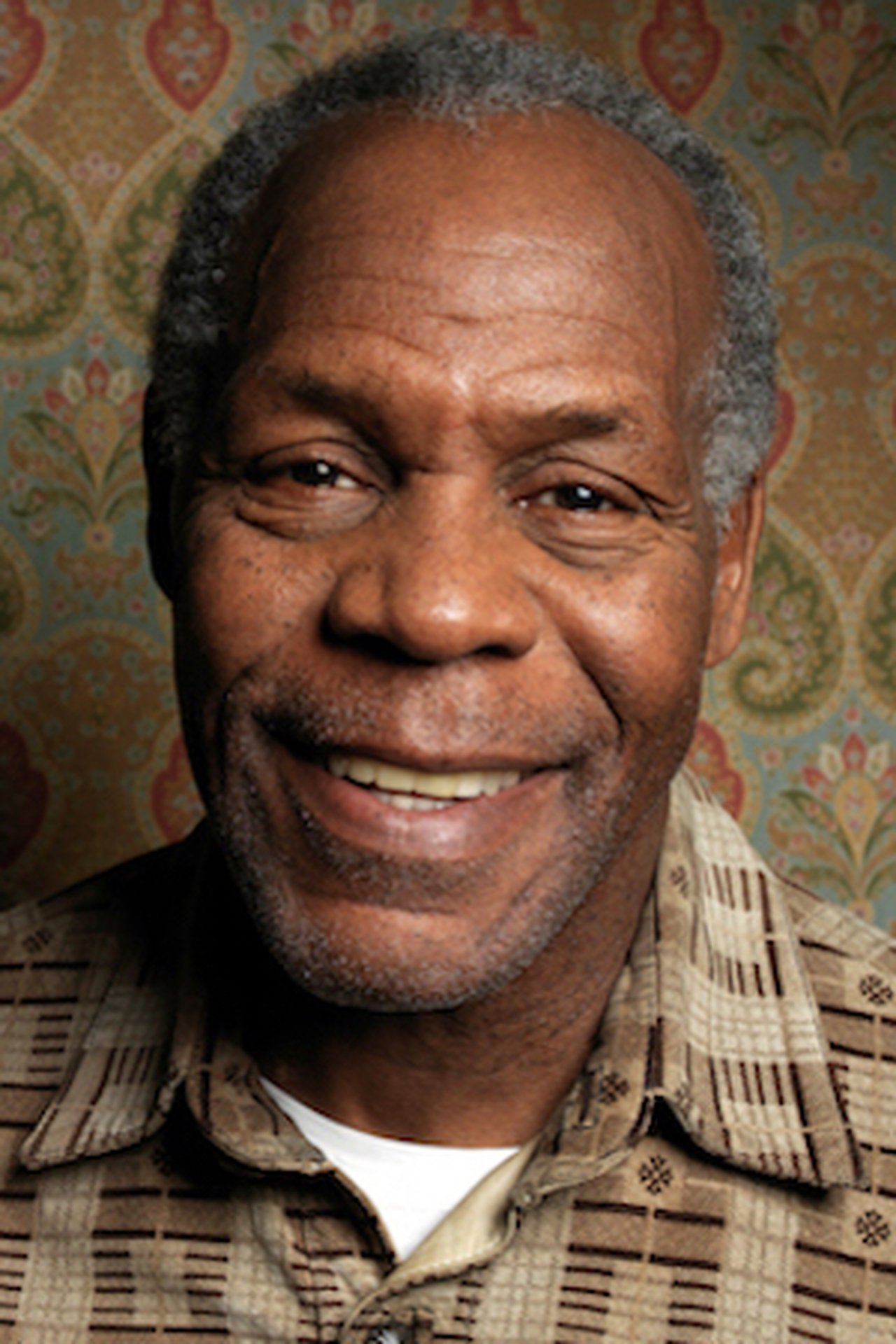
Rise to Fame
Two Best Picture nominees in one year, playing completely opposite men, is how most actors launch a career. At 38, it was how Glover finally got his shot. The Color Purple had him as the abusive Albert Johnson while Witness also landed in 1985, both Best Picture contenders. Then Lethal Weapon (1987) locked in the everyman cop archetype he'd spend the next decade refining. Murtaugh wasn't flashy. That was the point. He was the audience surrogate in every car chase, the straight man who made Mel Gibson's chaos watchable.
In the Spotlight
His politics have always been louder than his filmography. Venezuela's government reportedly pledged around $27 million for a film Glover planned about Haitian revolutionary Toussaint Louverture. The film was never made. He called Hugo Chavez 'my brother' after his death, and was in Cuba in December 2024 praising its role in the anti-racist struggle. None of this has hurt his status much. Lethal Weapon 5 is in development, and he showed up at Fan Expo Philadelphia with Mel Gibson in 2025. Forty years in and the franchise is still the thing people want to talk to him about.
Side Notes
Before acting, he spent five years as a government evaluator in San Francisco's Office of Community Development assessing community programs. He had both dyslexia and epilepsy growing up, though he's been seizure-free since 35. His parents were postal workers active in the NAACP, and in 1968 he participated in the SF State student strike that created the first ethnic studies program at an American university. Paul Robeson and Harry Belafonte are who he has said he points to as models for what an actor's career can look like when it's aimed at something beyond box office.