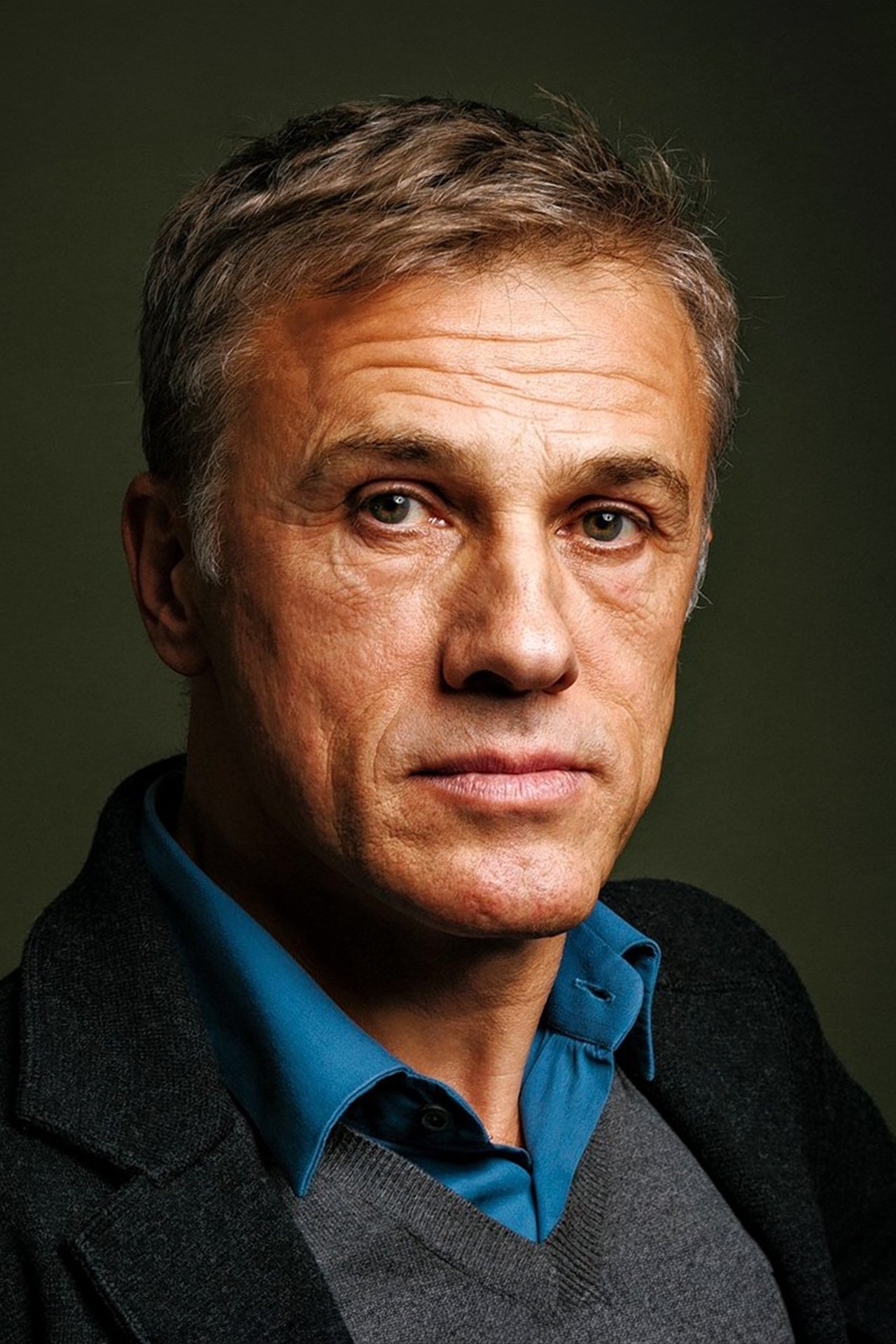
Thirty years of invisible European television, one audition at 53, and Hollywood still hasn't figured out what to do with him beyond the accent.
At a glance
- Known for
- Two-time Oscar winner for *Inglourious Basterds* and *Django Unchained*
- Before fame
- Spent 30 years doing Austrian and German TV crime dramas
- Off-screen
- Directs opera productions in Antwerp and Geneva
Part of Famous After 40 featuring Samuel L. Jackson and Bryan Cranston, and Tarantino's Crew with Samuel L. Jackson and Uma Thurman.
Rise to Fame
The script was about to go in a drawer. Quentin Tarantino had spent weeks casting the SS officer Hans Landa in Inglourious Basterds and feared the role was unplayable, requiring an actor fluent in German, French, and English who could also charm an audience while ordering massacres. Waltz walked in at 53 after three decades of forgettable European crime dramas and delivered exactly that. Tarantino has said Waltz "gave me my movie."
The role won him 27 awards, including Best Actor at Cannes and the Oscar for Best Supporting Actor. Tarantino then wrote Django Unchained's Dr. King Schultz specifically for him. A second Oscar followed. Two trophies in three years, all from one director who happened to be desperate.
In the Spotlight
Two Oscars in three years looked like the start of a dominant run. It turned into a casting problem. His Bond villain Blofeld in Spectre earned the derisive nickname "Brofeld" after the script revealed he was Bond's adopted brother, and critics agreed it wasted him. Most of what followed amounted to decorative continental menace.
Guillermo del Toro's Frankenstein on Netflix showed he can still pick interesting collaborators. A recurring role in Only Murders in the Building followed. His directorial debut, Georgetown (2021), premiered at Tribeca and landed to mixed reviews. The talent hasn't diminished. The material has been the problem.
Side Notes
The boy who wanted to sing Turandot grew up to direct Der Rosenkavalier and Falstaff at the Opera Ballet Vlaanderen instead. Four generations of his family worked in theater: grandmother on the Burgtheater stage, great-grandfather and step-grandfather in silent films, parents building sets and sewing costumes. His maternal grandfather studied under Freud, which explains the family's commitment to drama. Acting wasn't a career choice so much as genetic inevitability.
He holds triple citizenship (Austrian, German, American since 2020, citing "no taxation without representation") and dismisses method acting. "There's no such thing as a method actor," he's said. For someone who spent 30 years waiting for the phone to ring, he has strong opinions about how the job should be done.