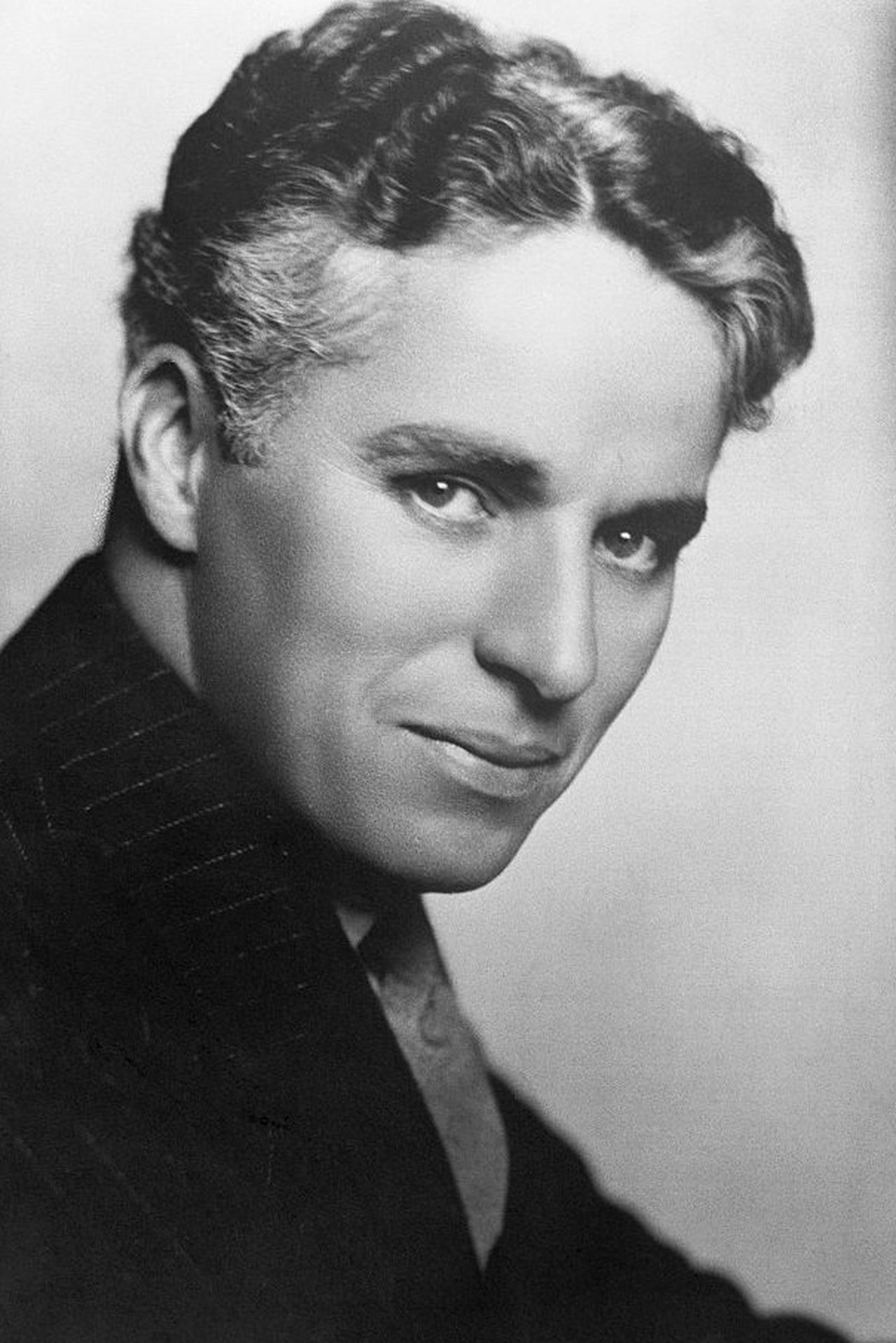
Rise to Fame
He arrived at Keystone Film Company in 1913 earning $150 a week, a British stage comedian nobody had heard of. Within a year he'd invented the Tramp, and by 1915 American culture had a word for the craze: "Chaplinitis." Essanay Studios poached him for $1,250 a week; Mutual Films then offered $10,000 weekly plus a $150,000 signing bonus. One character, one costume, no words, and by the mid-1910s he was reportedly the most famous person on the planet.
In the Spotlight
The FBI called him a 'parlour Bolshevik' and spent years building a file on him. By 1952, that file was thick enough that the U.S. attorney general revoked his reentry permit while Chaplin was mid-Atlantic, on his way to the London premiere of Limelight. He'd lived in the United States for four decades without ever taking citizenship, which turned out to matter more than anyone expected. Chaplin moved to Switzerland and didn't return to America until 1972, when the Academy handed him an honorary Oscar. The standing ovation ran 12 minutes, the longest in Oscar history.
Side Notes
Two of his four wives were 16 when he married them. His fourth, Oona O'Neill, was 18 when they wed in 1943. He was 54. Her father Eugene O'Neill, who happened to be the same age as Chaplin, cut her out of his will immediately. They stayed married until Chaplin's death and had eight children. Blood tests cleared him in Joan Barry's paternity suit in the early 1940s, but a judge still ordered child support. The man who built his entire career playing a sweet bumbling underdog generated a remarkable amount of paperwork.
Final Chapter
Three months after his private funeral, two men dug up his coffin and demanded $600,000 from the family for its return. Police arrested them in May 1978 and Chaplin was reinterred under several feet of concrete. Queen Elizabeth II had knighted him in 1975, too frail to kneel, receiving the honour in his wheelchair.