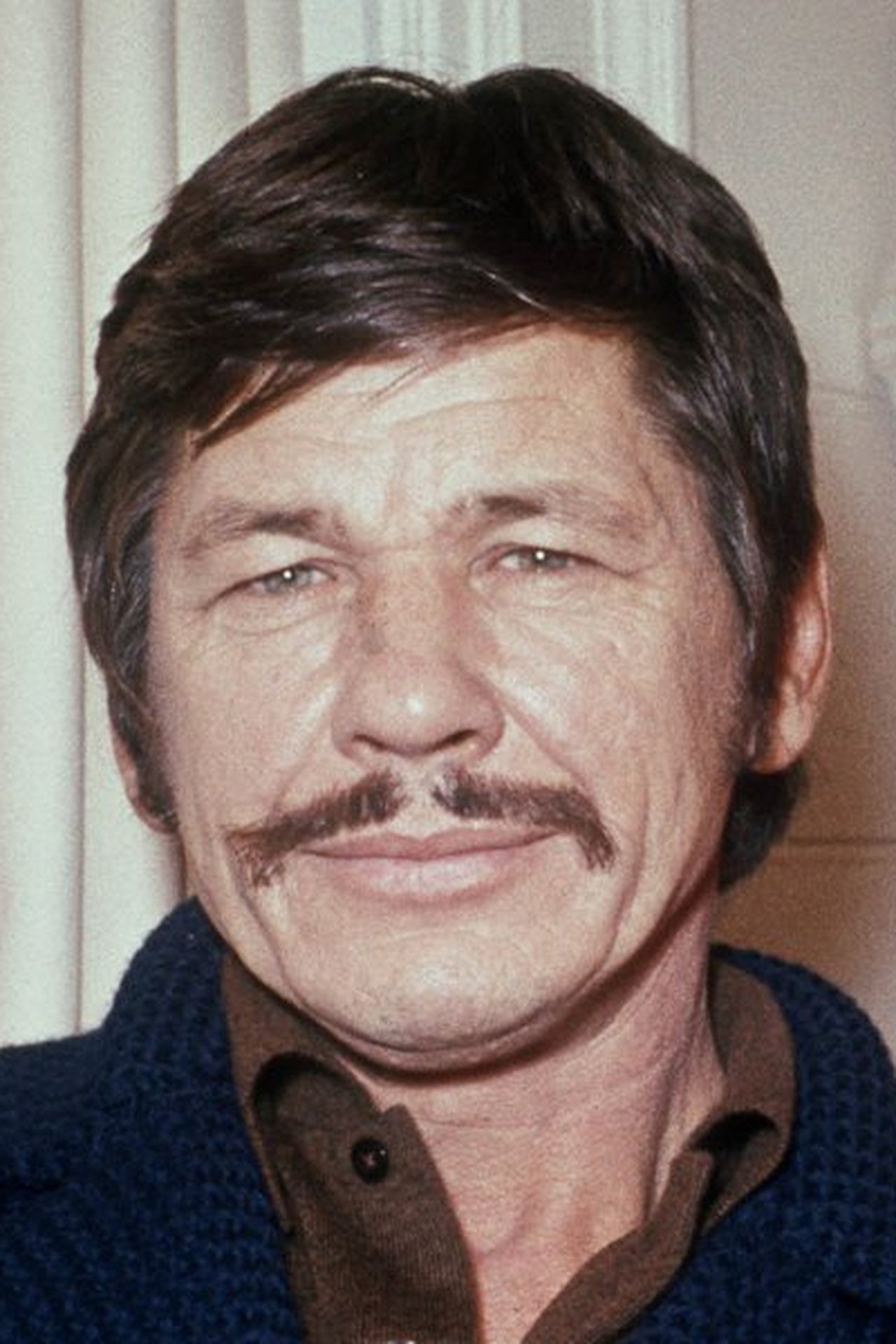
Rise to Fame
The 11th of 15 kids in a Pennsylvania coal town so poor he wore his sister's dress to school because he had nothing else, Buchinsky (he didn't become Bronson until 1954) spent a decade in Hollywood as the guy you almost didn't notice in great films. He was in The Magnificent Seven, The Great Escape, and The Dirty Dozen. Europe noticed before America did. By the early 1970s he was the biggest American star on the continent, the French calling him 'le monstre sacre.' Death Wish (1974), at age 52, finally gave America its own version of the memo.
In the Spotlight
Death Wish (1974) arrived at exactly the right moment: rising urban crime, a collapsing New York, a public losing faith in institutions. The vigilante premise made it controversial and a major hit. He ranked 4th at the U.S. box office in 1975, behind only Redford, Streisand, and Pacino. Four sequels followed, each worse than the last. Death Wish V (1994) pulled $1.7 million domestic and holds a 0% on Rotten Tomatoes. The original still holds up as a document of 1970s American paranoia. The sequels mostly don't.
Side Notes
He turned down all three films in Sergio Leone's Dollars trilogy, reportedly calling the first script 'the worst I have ever seen,' which handed Clint Eastwood a career. He eventually worked with Leone on Once Upon a Time in the West (1968). He painted seriously under his birth name Buchinsky, exhibited anonymously at a California gallery, and every piece sold within two weeks.
Final Chapter
His funeral was private, held in Vermont where he'd owned a farm for three decades. A candle was placed at his Hollywood Walk of Fame star on September 1, 2003. His estate was valued at approximately $48 million, including an $8 million Malibu house. He was buried at Brownsville Cemetery near Mount Ascutney with a cane containing Jill Ireland's ashes.