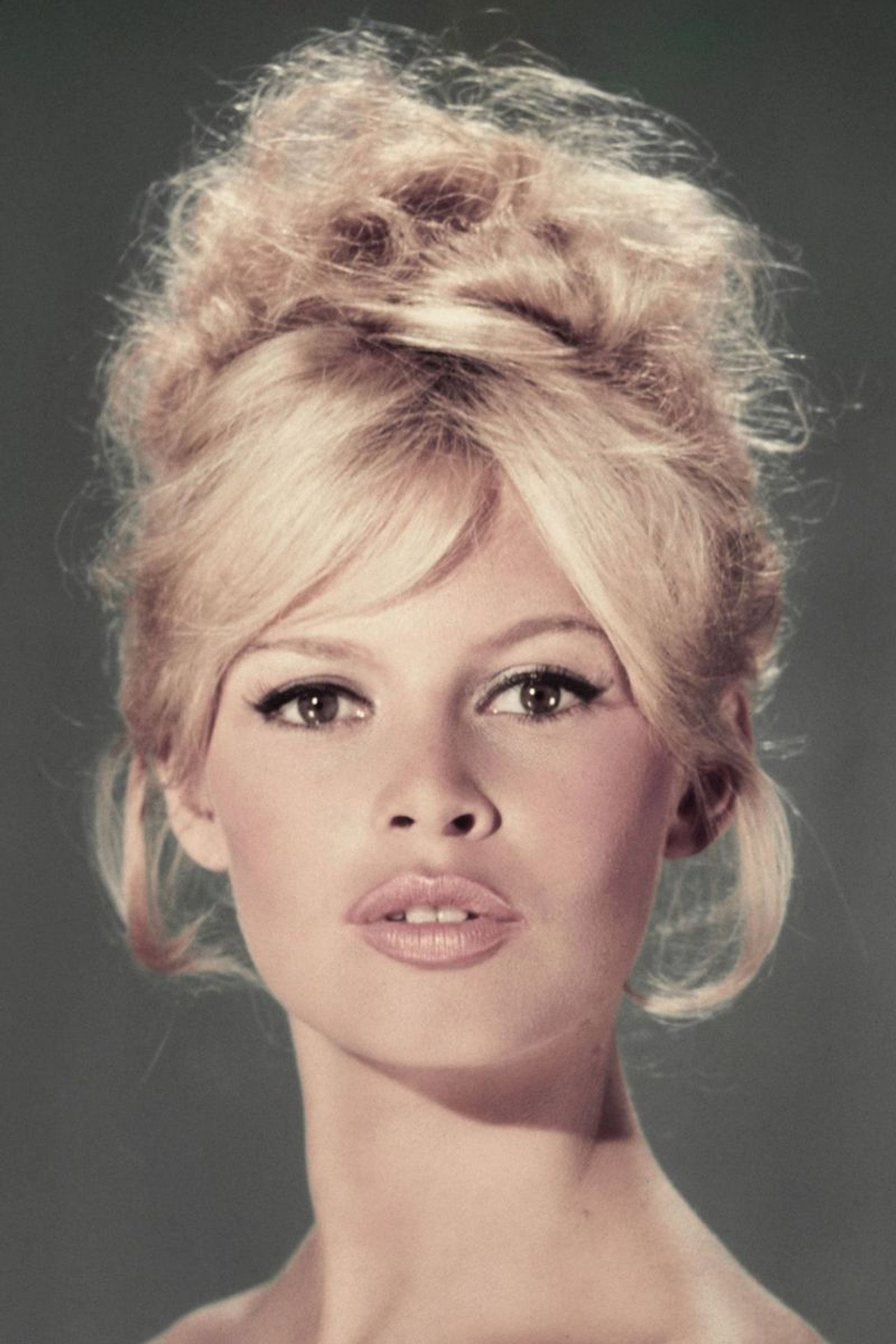
Rise to Fame
Her face appeared on the cover of Elle at 15, which caught director Marc Allegret's eye. She auditioned for one of his projects, written by his assistant Roger Vadim. She didn't get the part, but got Vadim. He cast her as the star of his directorial debut, And God Created Woman (1956), which scandalized France and broke wide in the U.S. as something Hollywood studios couldn't legally make. By 1958 she was the highest-paid actress in France. She walked away from all of it at 39. She has said she wanted 'a way to get out elegantly.' Most stars don't get that kind of exit.
In the Spotlight
Retirement didn't quiet her. She founded the Brigitte Bardot Foundation in 1986 and spent the next four decades campaigning against the seal hunt, the fur trade, and foie gras. The animal rights work was genuine. The political evolution was uglier: she was convicted five times in French courts for inciting racial hatred, mostly tied to her attacks on Muslim religious practices. She openly supported France's far-right Front National. The left treated her last years as an embarrassment, the right claimed her as one of their own.
Side Notes
She was married four times. Her third husband, German playboy Gunter Sachs, won her over by dropping roses on her Saint-Tropez villa from a plane. Her son Nicolas, born from her second marriage, later sued her over her 1997 memoir, in which she described the pregnancy as a 'tumor' she'd tried to abort. She bought her Saint-Tropez property La Madrague in 1958 for 24 million francs and is largely credited with putting the fishing village on the jet-set map. She never left.
Final Chapter
Her funeral was held January 7, 2026, at the Notre-Dame de l'Assomption church in Saint-Tropez, with her wicker coffin met at the steps by her long-estranged son. President Macron offered to organize a national homage modeled on the one given to Jean-Paul Belmondo in 2021, but her family refused. Hundreds watched on a screen at the harbor. Marine Le Pen attended. She was buried at a seaside cemetery alongside her parents and grandparents.